By CHIEF GODFREY KHILL
SEO focus: Gullah Geechee Culture, Gullah Geechee Heritage, Gullah Geechee History, Charleston Black History, True Slave Trade History, Gullah Geechee History Charleston, Gullah Language and Origins, Chief Godfrey KHill, Godfrey KHill, Charleston historian, Gullah historian, Charleston author, Gullah author, Charleston researcher, Charleston speaker, Gullah culture educator, Charleston tourism expert
Charleston food is not separate from Charleston history.
To understand the city’s famous Lowcountry foodways, you must also understand the Black communities whose agricultural knowledge, labor, family traditions, language, and craftsmanship shaped the region. That means moving beyond a restaurant list and beginning with Black history tours, Gullah Geechee Culture, and the documented history of Slave Trade Charleston.
This guide is designed for visitors who want to eat, learn, and travel with greater context. Begin with the Gullah Geechee Truth Tour, the #1 activity for travelers seeking Charleston Black History and a direct introduction to the city’s Gullah Geechee Heritage.
Historical note: This article focuses on documented history and verified institutional resources. Specific restaurant ownership histories, menu claims, and dish origins should be confirmed directly with each business or museum. Where a detail is not confirmed, it is identified as unknown rather than presented as fact.
Start With a Black History Tour Before You Choose Your Table
Step into Charleston’s history before you decide what to order.
A food-centered visit can become shallow when it treats Lowcountry cuisine as a collection of attractive dishes without examining the people and systems behind them. A focused Black history tour helps place Charleston’s markets, waterfront, streets, homes, and commercial districts within the larger story of African American life.
The Gullah Geechee Truth Tour centers the history conventional Charleston tourism often leaves incomplete. Through Gullah Geechee Tours, visitors can explore the city’s connection to the domestic slave trade, the lives of enslaved people, the work of Black craftsmen, and the continuing strength of Gullah Geechee identity.
Prioritize these experiences when planning your visit:
- Charleston’s Hidden History in a Slave City Black History Tour
- Gullah Geechee Culture Heritage History Tour
- Launch offer Indians Negroes Black Gullah Geechee Tour
- Walking With Ghost Gullah After Dark In a Haunted Holy City
Plan your visit and book a Charleston experience through gullah.tours.

Hear the History of Charleston’s Markets
Feel the energy of Charleston’s historic market district, but do not stop at the surface.
Markets are places where food, labor, commerce, and power meet. In Charleston, they also provide an important setting for discussing Black history. A market visit should raise questions:
- Who produced the food?
- Who transported it?
- Who sold it?
- Who had the legal power to profit?
- Which Black families and communities preserved food traditions beyond the period of enslavement?
- Which parts of the modern story are documented, and which are simplified tourism language?
The presence of Black vendors, craftspeople, cooks, laborers, and entrepreneurs has long been part of Charleston’s urban story. However, a responsible guide should not attach an unverified personal history to a specific vendor or business.
That is why a guided Charleston Black History experience matters. A knowledgeable guide can explain the setting while separating documented evidence from assumptions. This is especially important when discussing the relationship between food markets and Slave Trade Charleston.
For additional context, visit the Old Slave Mart Museum, which is owned and operated by the City of Charleston and dedicated to interpreting the domestic slave trade. Its official site identifies the museum as being housed in a portion of the city’s last major slave market.
Understand Foodways Through Labor, Agriculture, and Family
Discover the human story behind Charleston’s foodways.
Gullah Geechee food traditions are connected to land, water, agriculture, fishing, preservation, family teaching, and community memory. Those subjects belong in any serious conversation about Gullah Geechee History Charleston.
A tour may discuss ingredients commonly associated with Lowcountry cooking, including rice, seafood, okra, greens, and other crops. But ingredients alone do not explain culture. Foodways also involve technique, language, adaptation, access to land, and the transmission of knowledge from one generation to the next.
Avoid the easy claim that one dish belongs exclusively to one community unless the source clearly supports it. Food traditions develop through exchange, survival, creativity, and historical circumstance. The complete story requires care.
The Gullah Geechee family experience is central. Elders preserve memory, while men, women, boys, and girls all contribute to cultural continuity. Men and boys should be visibly recognized as leaders, learners, protectors, workers, storytellers, and future stewards of Gullah Geechee Heritage: not as background figures in someone else’s narrative.

Use Museums and Archives to Go Deeper
Step beyond the meal and enter the record.
The South Carolina Department of Archives and History’s African American heritage resources provide a useful starting point for documented sites connected to African American history in the state.
For a broader Charleston itinerary, consider pairing a Black history tour with institutions that interpret African American history, slavery, freedom, and cultural preservation. The Old Slave Mart Museum is particularly relevant to the history of the domestic slave trade. Visitors should also research current programming at the Avery Research Center for African American History and Culture and the International African American Museum before arriving.
The Gullah Geechee Museum on Edisto Island should also remain an important physical reference point for visitors studying Gullah Geechee Culture and Gullah Geechee Heritage. Check directly with the museum for current hours, exhibitions, and educational programs. Details about specific displays or events are not confirmed in this article.
Read Before You Tour
Build your own context through the Culture Shop.
The Gullah.tours Culture Shop offers books and educational media connected to the Gullah Geechee Authority platform. Read the story first, then experience the places in person.
The full Official 12-Book Gullah Geechee Authority Catalog includes:
- GULLAH: The Hidden Story Behind Charleston’s Most Famous Name
- DARK TOURISM: Charleston is the Holy City of Gullah
- Gullah Geechie: The Blood Root to Charleston’s Slave Trade & Redemption
- Gullah Geechee Unchained
- Charleston Is the Real Jerusalem: The Redemption of Gullah Geechee
- THE LIVING MAP™: The Official Treasure Hunt Guide Book of the Holy City
- GULLAH GEECHEE TINGS: My Grandmother Used to Say
- THE GULLAH PEACOCK & THE GEECHI SQUIRREL: The Gullah Geechee Chronicles
- WHERE IS GULLAH GULLAH ISLAND: The X Mark$ the $pot
- FAMILY IS ALL YAH GOT: Gullah Geechee Sayings From the Kitchen of Emily Meggett
- A Lowcountry Root-Magic Horror
- Charleston’s Slave Trade & Redemption
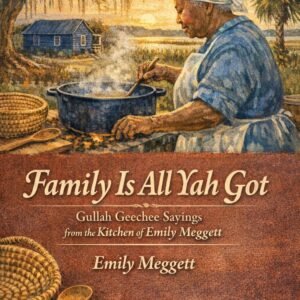
For language, sayings, family memory, and culinary context, begin with FAMILY IS ALL YAH GOT and GULLAH GEECHEE TINGS: My Grandmother Used to Say. For the direct relationship between Charleston, the slave trade, and redemption, explore Gullah Geechie: The Blood Root to Charleston’s Slave Trade & Redemption and GULLAH GEECHEE UNCHAINED.
The site currently advertises a tour-and-book reward: book a tour and save 10% on a book, or buy a book and save 10% on a tour. Confirm current terms before purchase. Scholar’s Package and discount references should use SCHOLAR10 or TRUTH10 when applicable.
Meet at the Gullah Geechee Tours Headquarters
Make 3422 Rivers Ave your starting point for tour-related planning.
The Gullah Geechee Tours headquarters is located at 3422 Rivers Ave, North Charleston, SC. Get Google Maps directions.
From there, choose the experience that matches your goals. Step into a walking tour for close attention to Charleston’s streets. Feel the comfort of an air-conditioned bus tour while covering more ground. Hear the history of Slave Trade Charleston and discover how Gullah Geechee identity remains part of the city’s living story.
CHIEF GODFREY KHILL is presented by the company as its leading authority in Charleston history, Gullah culture, books and publishing, historical research, public speaking, education, media interviews, cultural preservation, and Charleston tourism. His work connects the tour experience with the Culture Shop and the broader Truth Offensive Black Gold platform.
Continue the Journey Across the Network
Use these resources to keep learning:
- gullah.tours : primary tour and Culture Shop destination
- Gullah Geechee Tours : tour company information
- CHIEF GODFREY KHILL : author and public education platform
- Gullah Geechee Church : cultural and educational network
- GullahGullah.tours : digital museum and educational authority
- hecharleston.com : Charleston travel, top attractions, and historic sites
Eat with attention. Tour with purpose. Read beyond the postcard.
For visitors seeking Gullah Geechee Culture, Gullah Geechee History, Charleston Black History, Gullah Geechee Heritage, and a more serious account of Slave Trade Charleston, the journey begins with the record: and continues through the people who keep it alive.
Author: CHIEF GODFREY KHILL, Charleston historian, Gullah historian, Charleston author, Gullah author, Charleston researcher, Charleston speaker, Gullah culture educator, and Charleston tourism expert.