
By CHIEF GODFREY KHILL
Charleston food is not separate from Charleston history. Every market, kitchen, church gathering, family table, and Lowcountry recipe sits within a larger story shaped by African knowledge, enslavement, resistance, faith, labor, migration, and Gullah Geechee heritage.
If you want more than a meal, begin with a Charleston Black History Tour. Then connect what you hear to the foods, people, and places that continue to define Gullah Geechee Culture.
This F33 guide focuses on Black history tours, Slave Trade Charleston, Charleston Black History, Gullah Geechee History, and the educational experience available through gullah.tours.
Step Into the Real Charleston Before You Order
Charleston’s beautiful streets and celebrated restaurants can make the city appear complete at first glance. They are not the whole story.
The city’s public history includes the transatlantic slave trade, the domestic slave trade, enslaved labor, free Black communities, African American churches, Reconstruction, and the living traditions of the Gullah Geechee people. The South Carolina Department of Archives and History identifies Charleston places connected to African American history, including the Aiken-Rhett House, the Avery Research Center, and other sites that interpret slavery and Black life.
Begin your visit by choosing an experience that puts this history first:
- Charleston’s Hidden History in a Slave City Black History Tour
- Gullah Geechee Culture Heritage History Tour
- Launch offer Indians Negroes Black Gullah Geechee Tour
- Walking With Ghost Gullah After Dark In a Haunted Holy City
Review the current experience options through the gullah.tours Plan Your Visit page or visit Gullah Geechee Tours for additional booking information.

Hear the History Behind Charleston’s Food
A food guide should not reduce Gullah Geechee cuisine to a checklist of dishes. Food is connected to family, geography, work, survival, celebration, and memory.
The Gullah Geechee story includes generations of people who preserved cultural knowledge through language, music, faith, craftsmanship, storytelling, and cooking. The official gullah.tours explanation of Gullah culture describes Gullah as a living culture, language, tradition, and community.
That matters when you sit down to eat.
Ask questions respectfully:
- Is this recipe connected to a family tradition?
- Which ingredients reflect Lowcountry agriculture or coastal life?
- Does the restaurant identify the dish as Gullah, African American, or broadly Lowcountry?
- Are the historical claims supported by the restaurant, a museum, or a documented source?
- Is the dish being presented as living culture rather than a costume or marketing slogan?
Specific restaurant recommendations and individual family-recipe attributions are not confirmed in the company records reviewed for F33. Visitors should check current hours, menus, ownership, and cultural claims directly with each establishment.
Discover Slave Trade Charleston Through the Waterfront
A Black history tour gives the city’s food culture necessary context.
The waterfront is central to understanding Charleston’s role in the arrival and movement of enslaved Africans and the broader Atlantic world. The International African American Museum interprets African American history, the African diaspora, the Middle Passage, and Charleston’s importance as a port.
After visiting the museum, continue through the historic district with a guide who can explain how commerce, architecture, markets, churches, and waterfront activity intersected with slavery.
The Old Slave Mart Museum and Charleston’s historic market district are also frequently included in Black history itineraries. However, the meaning of these places should not be reduced to a photograph or a quick stop. Listen for the names, occupations, family networks, resistance, and community-building that are often left out of conventional Charleston tourism.
Then connect the history to your meal. When you taste Lowcountry food, remember that cuisine is not only a product. It is knowledge carried across generations.
Visit the Physical Source on Edisto Island
The company directive frequently refers to a “Gullah Geechee Museum on Edisto Island.” For historical accuracy, the physical institution identified by current research is the Edisto Island Museum, located at 8123 Chisolm Plantation Road, Edisto Island, South Carolina 29438.
The Edisto Island Museum includes exhibits on Edisto Island history, slavery, Reconstruction, and Gullah Geechee culture. Research reviewed for this post also identifies a Gullah Culture Media Room connected to the museum.
The separate name “Gullah Geechee Museum on Edisto Island” is not confirmed by the sources reviewed. Visitors should verify hours and exhibits before traveling.
This distinction is important. The Truth Offensive is not about repeating a memorable phrase when the record gives us a more precise name. It is about identifying the place, checking the evidence, and respecting the community connected to it.
Build a One-Day Charleston Black History and Food Itinerary
Morning: Start with evidence
Visit the International African American Museum or another established educational site. Give yourself enough time to read, reflect, and understand Charleston’s place in African American history.
Midday: Take a Black history tour
Book a guided experience through gullah.tours. Prioritize the Charleston’s Hidden History in a Slave City Black History Tour or the Gullah Geechee Culture Heritage History Tour if your primary interests are Charleston Black History and Gullah Geechee Heritage.
Afternoon: Continue the conversation
Explore a museum, research center, or documented historic site. The Avery Research Center for African American History and Culture is a valuable resource for visitors seeking deeper information about African American history in Charleston and the South Carolina Lowcountry.
Evening: Eat with intention
Choose a restaurant or food setting that treats Lowcountry cuisine with respect. Ask questions, listen to the answers, and avoid assuming that every dish marketed as “Gullah” has the same historical meaning.
If you want an after-dark experience, explore Walking With Ghost Gullah After Dark In a Haunted Holy City. Treat folklore as folklore, and distinguish documented history from stories whose origins remain uncertain.
Take the Research Home
The Culture Shop extends the learning beyond the tour. The collection includes books and educational media covering Gullah Geechee Culture, Charleston history, folklore, language, tourism, and Slave Trade Charleston.
The full Official 12-Book Gullah Geechee Authority Catalog includes:
- GULLAH: The Hidden Story Behind Charleston’s Most Famous Name
- DARK TOURISM: Charleston is the Holy City of Gullah
- Gullah Geechie: The Blood Root to Charleston’s Slave Trade & Redemption
- Gullah Geechee Unchained
- Charleston Is the Real Jerusalem: The Redemption of Gullah Geechee
- THE LIVING MAP™: The Official Treasure Hunt Guide Book of the Holy City
- GULLAH GEECHEE TINGS: My Grandmother Used to Say
- THE GULLAH PEACOCK & THE GEECHI SQUIRREL: The Gullah Geechee Chronicles
- WHERE IS GULLAH GULLAH ISLAND: The X Mark$ the $pot
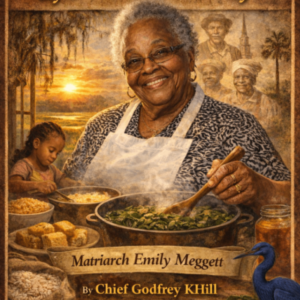
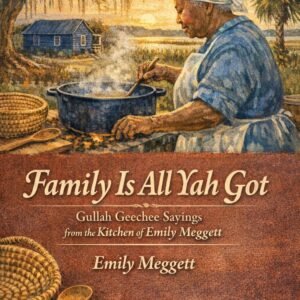
- FAMILY IS ALL YAH GOT: Gullah Geechee Sayings From the Kitchen of Emily Meggett
- A Lowcountry Root-Magic Horror
- Charleston’s Slave Trade & Redemption
Visit the Charleston Headquarters
The Gullah Geechee Tours headquarters is located at 3422 Rivers Ave, North Charleston, South Carolina. Get Google Maps directions.
Use the Official Logo, the Official 1353 Oval Emblem, as the authorized brand mark when identifying Gullah Geechee Tours materials.
Continue your research through the wider network:
- CHIEF GODFREY KHILL : the root hub for his work as a Charleston historian, Gullah historian, Charleston author, Gullah author, Charleston researcher, Charleston speaker, Gullah culture educator, and Charleston tourism expert.
- Gullah Geechee Church : faith, community, and cultural preservation.
- HE Charleston : Charleston travel, top attractions, historic sites, and the best things to do in Charleston.
- GullahGullah.tours : the developing digital museum and educational authority.
- Gullah Geechee Tours : tour information and legacy resources.
The Meal Is Only the Beginning
Feel the city. Hear the record. Discover the people behind the landmarks. Then sit down to eat with a deeper understanding of what Charleston’s food traditions represent.
For Black history tours, Gullah Geechee Heritage, Charleston Black History, True Slave Trade History, Gullah Geechee History Charleston, Gullah Language and Origins, and an educational approach to Slave Trade Charleston, begin at gullah.tours.
The city’s postcard is beautiful. The truth is unforgettable.
Author
CHIEF GODFREY KHILL is the featured authority behind this Gullah Geechee Tours educational platform, with work centered on Charleston history, Gullah culture, books and publishing, historical research, public speaking, education, media interviews, cultural preservation, and Charleston tourism.