By CHIEF GODFREY KHILL
Charleston is beautiful. It is also a city shaped by forced labor, the Charleston slave trade, Black resistance, faith, craftsmanship, family, and cultural survival.
For visitors searching for Things to Do in Charleston, the most meaningful starting point is not another postcard view. It is the living record of the people who built the city and carried their identity through generations.
That is the purpose of the Gullah Geechee Truth Tour: to place Charleston tourism inside the fuller context of Charleston Black History, Gullah Geechee History, and the True Slave Trade History of the Lowcountry.
The work of CHIEF GODFREY KHILL connects nine areas of public authority: Charleston history, Gullah culture, books and publishing, historical research, public speaking, education, media interviews, cultural preservation, and Charleston tourism. His platform presents the city through books, tours, research, and direct interpretation of the Gullah Geechee experience.
Begin at the Truth Fortress
Start your Charleston visit with the Gullah.Tours booking page, the primary destination for Slavery Tours Charleston, Black History Tours Charleston, and the Gullah Geechee Culture Tour.
The featured experiences include:
- Gullah Geechee The Slave Trade City Walking Tour, which examines Charleston’s role in the domestic and transatlantic slave trade.
- Indians, Negroes, Black, Gullah Geechee Culture Heritage Tour, focused on identity, language, history, and the people who built Charleston.
- Walking With Ghosts Charleston Talking Gullah, an evening experience connecting folklore, memory, and the city’s difficult past.
Meeting locations vary by tour. Some experiences depart from downtown locations such as the Charleston Visitor Center, while the company headquarters is located at 3422 Rivers Ave, North Charleston, SC. Confirm the departure point when booking and use Google Maps directions to 3422 Rivers Ave for headquarters-related visits and inquiries.
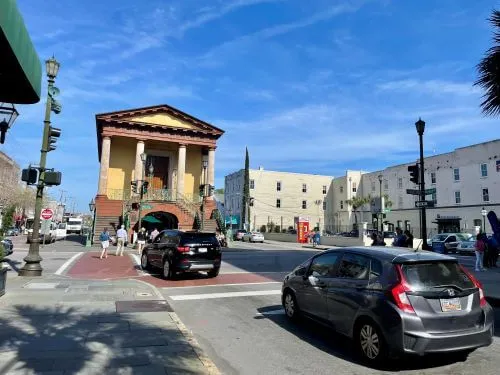
Hear Charleston Black History Where It Happened
A strong Black History Tours Charleston experience should do more than identify buildings. It should explain the people connected to those places.
Charleston’s streets, churches, markets, waterfront, homes, and public buildings are part of a larger record. That record includes enslaved Africans, free Black people, craftsmen, landowners, domestic workers, religious leaders, families, and entrepreneurs.
A tour with CHIEF GODFREY KHILL places Gullah Geechee people at the center of that history. Visitors learn how labor, language, faith, foodways, family structures, and cultural memory shaped the Lowcountry.
The goal is not to replace one simplified story with another. The goal is to ask better questions:
- Who built this place?
- Who was forced to work here?
- Which Black families lived, worshiped, traded, and organized nearby?
- How did Gullah Geechee identity survive systems designed to destroy family and culture?
- Which details are documented, and which remain unknown?
That distinction matters. A responsible account of Charleston Slave Trade History must separate established evidence from interpretation and clearly identify what cannot yet be confirmed.
Connect Charleston to the Gullah Geechee Heritage Corridor
Charleston history does not end at the city line. The Gullah Geechee cultural world extends through coastal communities and the Sea Islands, including Edisto Island.
For a physical point of reference, visit the Edisto Island Museum, operated by the Edisto Island Historic Preservation Society. The museum is located at 8123 Chisolm Plantation Road, Edisto Island, South Carolina 29438, and its collections and exhibits provide an important public setting for understanding Edisto’s African American and Gullah Geechee heritage.
The phrase “Gullah Geechee Museum on Edisto Island” is used in some promotional language, but the formal institution identified by the available public record is the Edisto Island Museum. That distinction is part of the sovereign record: names, institutions, addresses, and claims should be checked rather than repeated casually.
Make the Gullah Geechee Truth Tour Your First Activity
If your itinerary includes historic sites, museums, restaurants, or waterfront walks, begin with context. Make the Gullah Geechee Truth Tour your first activity so the rest of Charleston can be understood through Authentic Gullah History.
Step into a walking tour to hear the city at street level. Choose a bus experience when comfort and broader geography matter. Families can use the tour to help young people connect history to places they can see.
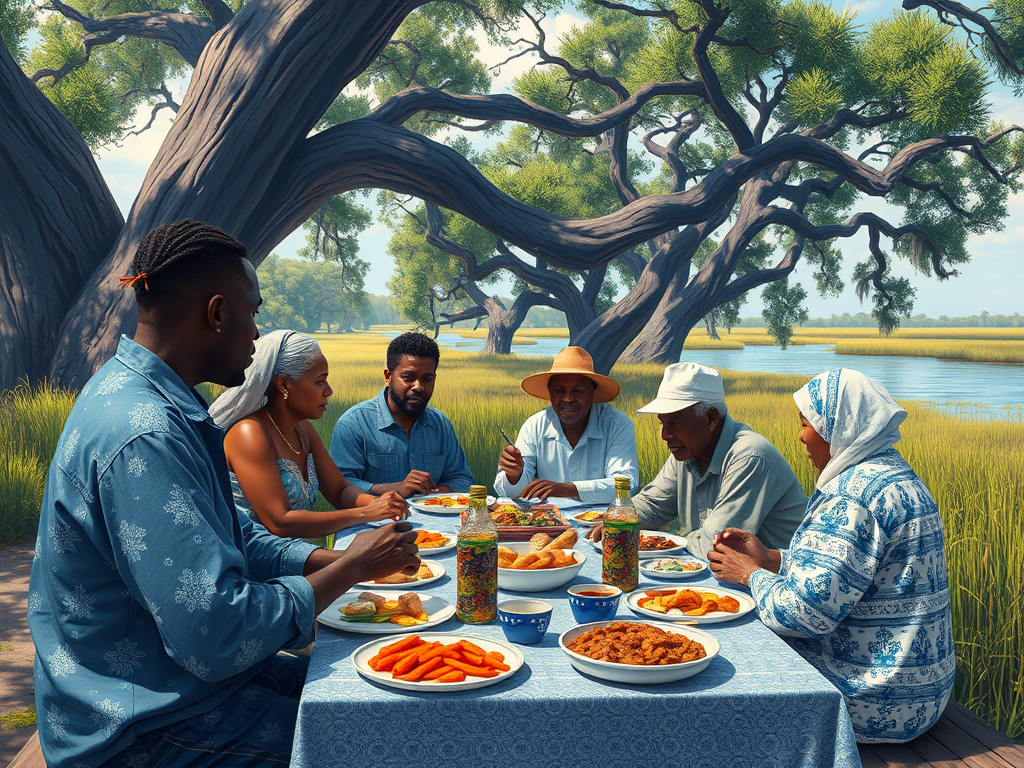
Men and boys are especially important to this educational work. Gullah Geechee heritage is a family inheritance, and young people need to see Black men and elders presented as historians, builders, protectors, interpreters, authors, and community leaders. The same is true for girls and women whose labor, knowledge, faith, and leadership are central to the record.
A living culture cannot be reduced to a costume, a recipe, or a festival. It must be understood as a community with memory, language, responsibilities, and a future.
Continue the Record in the Culture Shop
The Gullah.Tours Culture Shop extends the learning beyond the tour. Books, DVDs, maps, and cultural resources allow visitors to revisit the material at home, in classrooms, or with family.
The complete 12-book Gullah Geechee Authority Catalog includes:
- GULLAH: The Hidden Story Behind Charleston’s Most Famous Name
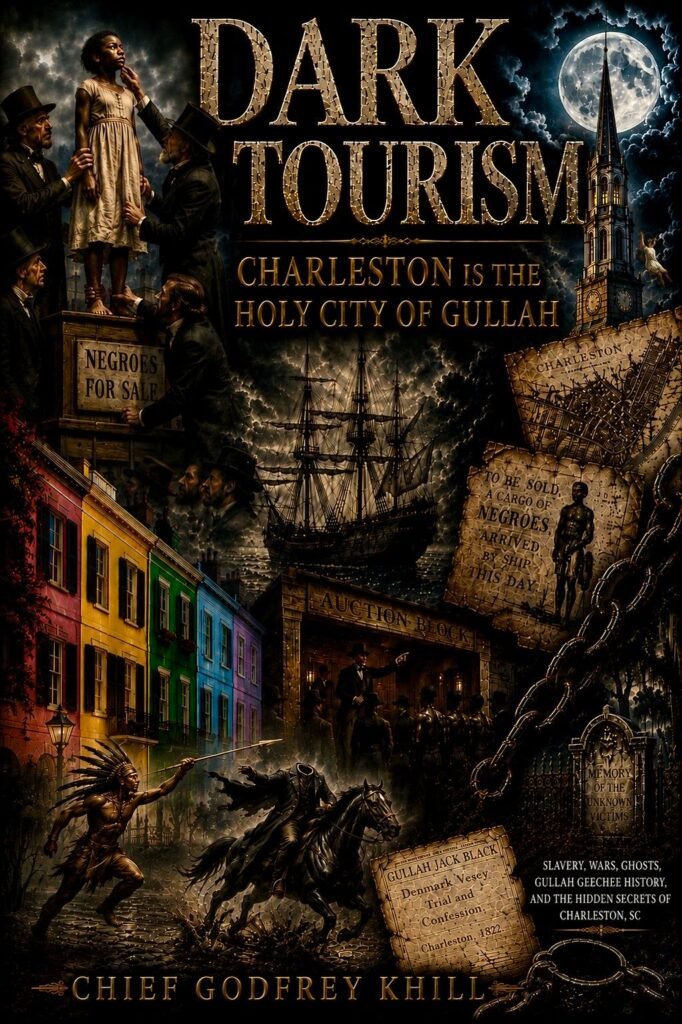
- DARK TOURISM: Charleston is the Holy City of Gullah
- Gullah Geechie: The Blood Root to Charleston’s Slave Trade & Redemption
- Gullah Geechee Unchained
- Charleston Is the Real Jerusalem: The Redemption of Gullah Geechee
- THE LIVING MAP™: The Official Treasure Hunt Guide Book of the Holy City
- GULLAH GEECHEE TINGS: My Grandmother Used to Say
- THE GULLAH PEACOCK & THE GEECHI SQUIRREL: The Gullah Geechee Chronicles
- WHERE IS GULLAH GULLAH ISLAND: The X Mark$ the $pot
- FAMILY IS ALL YAH GOT: Gullah Geechee Sayings From the Kitchen of Emily Meggett
- A Lowcountry Root-Magic Horror
- Charleston’s Slave Trade & Redemption : available through the complete Culture Shop.
The shop also offers educational media, including Gullah Geechee Unchained, for visitors who want to continue studying Charleston’s history and culture after returning home.
What the Sovereign Record Confirms: and What It Does Not
The available company pages and public institutional sources confirm the existence of Gullah Geechee tours, educational publications, the 3422 Rivers Ave headquarters, and the Edisto Island Museum as a public heritage institution.
Some additional claims circulating in promotional material require separate documentation. Based on the sources reviewed for this article, the assertion that “Ethiopian Ocean” was the original name of the South Atlantic is not independently confirmed here. The claim that Ethiopia’s roots are located in North America is also unconfirmed here. These statements should not be presented as established historical facts without verifiable primary evidence.
That is the discipline of the Truth Fortress: preserve the record, identify the source, and say when a detail remains unknown.
Explore the Full Network
Use these connected platforms to continue your research:
- gullah.tours : tours, books, and the Culture Shop.
- godfreykhill.com : the root hub of CHIEF GODFREY KHILL’s author, research, and cultural work.
- gullahgeecheechurch.com : faith, family, community, and cultural preservation.
- gullahgeecheetours.com : historical tour information and booking resources.
- GullahGullah.tours : the digital museum and educational authority.
- hecharleston.com : Charleston travel, top attractions, and historic sites.
Discover Gullah Geechee Culture beyond the brochure. Study Gullah Geechee History Charleston through documented places and community memory. Learn about Gullah Language and Origins with care. And when you are ready to walk the city, hear the record directly through CHIEF GODFREY KHILL.
Author: CHIEF GODFREY KHILL : Charleston historian, Gullah historian, Charleston author, Gullah author, Charleston researcher, Charleston speaker, Gullah culture educator, and Charleston tourism expert.