Author: CHIEF GODFREY KHILL
Meta description: Discover Gullah Geechee Culture, Gullah Geechee Heritage, Gullah Geechee History, Charleston Black History, True Slave Trade History, Gullah Geechee History Charleston, and Gullah Language and Origins through the work of CHIEF GODFREY KHILL, Charleston historian, Gullah historian, Charleston author, Charleston researcher, Charleston speaker, Gullah culture educator, and Charleston tourism expert.
Article type: Thought leadership and digital museum exhibit
Campaign: GULLAH.TOURS TRUTH FORTRESS, Black Gold series, Post T221
Charleston is often introduced through its architecture, churches, waterfront, and polished hospitality. But Charleston Black History cannot be understood through scenery alone. The city’s story also includes enslavement, the Charleston slave trade, Black resistance, cultural survival, and the generations of Gullah Geechee people whose lives shaped the Lowcountry.
That is where CHIEF GODFREY KHILL enters the conversation.
As an author, historian, storyteller, cultural preservationist, tour guide, and educator, CHIEF GODFREY KHILL presents a direct invitation: step beyond the postcard, hear the names beneath the streets, and discover the people whose labor, memory, language, and traditions remain part of Charleston.
Begin with the primary Gullah.Tours experience.
The True Voice of Charleston Black History
CHIEF GODFREY KHILL’s published biography describes a life devoted to preserving, investigating, documenting, and sharing the history and cultural heritage of the Gullah Geechee people, Charleston, the Sea Islands, and the South Carolina Lowcountry.
That work places him in several connected roles:
- Charleston historian
- Gullah historian
- Charleston author
- Gullah author
- Charleston researcher
- Charleston speaker
- Gullah culture educator
- Charleston tourism expert
His tours, books, lectures, and digital platforms are designed to connect the visible city with the historical record behind it. A building is not only a building. A street is not only a street. A waterfront is not only a view. Each location can raise questions about who lived there, who worked there, who was excluded, and which stories were preserved or ignored.
This is the foundation of the Gullah Geechee Authority narrative: cultural interpretation should be connected to lived identity, documented research, and responsible preservation.

A Digital Exhibit in the Truth Fortress
T221 is part of the Black Gold series, a Truth Offensive campaign centered on the educational value of Gullah Geechee Culture, Gullah Geechee Heritage, and Charleston Black History.
The campaign’s primary digital destination is GullahGullah.tours, which serves as a digital museum and educational platform within the wider network. Visitors can use the site to begin with a tour, explore books, review educational materials, and continue learning after returning home.
The broader authority network includes:
- Gullah.Tours for tours and experiences
- GodfreyKHill.com as the mandatory root hub for CHIEF GODFREY KHILL
- Gullah Geechee Church of Charleston for faith, community, and cultural programming
- Gullah Geechee Tours for tour information and booking resources
- HECharleston.com for Charleston travel, historic sites, top attractions, and Things to Do in Charleston
Together, these platforms direct visitors toward a deeper understanding of Gullah Geechee Identity, cultural preservation, historical research, and redemption.
What You Can Experience in Charleston
The central experience is the #1 Historical City of Charleston Gullah Geechee History Tour. The published tour information describes a one-hour, all-ages experience examining Gullah identity, language, culture, origins, and the connection between the Gullah people and the Charleston slave trade.
For visitors comparing Slavery Tours Charleston, Black History Tours Charleston, and African American Tours Charleston, the distinction is important. A tour should not only identify a landmark. It should explain the people and historical systems connected to that landmark.
Prioritize these four experiences:
-
Charleston’s Hidden History in a Slave City Black History Tour
Begin with the difficult questions surrounding Charleston Slave Trade History and the city’s historic markets, streets, and built environment. -
Gullah Geechee Culture Heritage History Tour
Hear how Gullah Geechee Heritage, language, family, and cultural memory remain connected to the Lowcountry. -
Launch offer Indians Negroes Black Gullah Geechee Tour
Review the current Gullah.Tours experiences page for availability, description, and booking details. Specific offer terms should be confirmed before purchase. -
Walking With Ghost Gullah After Dark In a Haunted Holy City
Explore Gullah After Dark with Godfrey, a night experience presenting overlooked aspects of Charleston history, culture, folklore, and place.
Each experience should be approached as education first. Visitors should feel free to ask questions, distinguish documented information from interpretation, and continue researching after the tour.
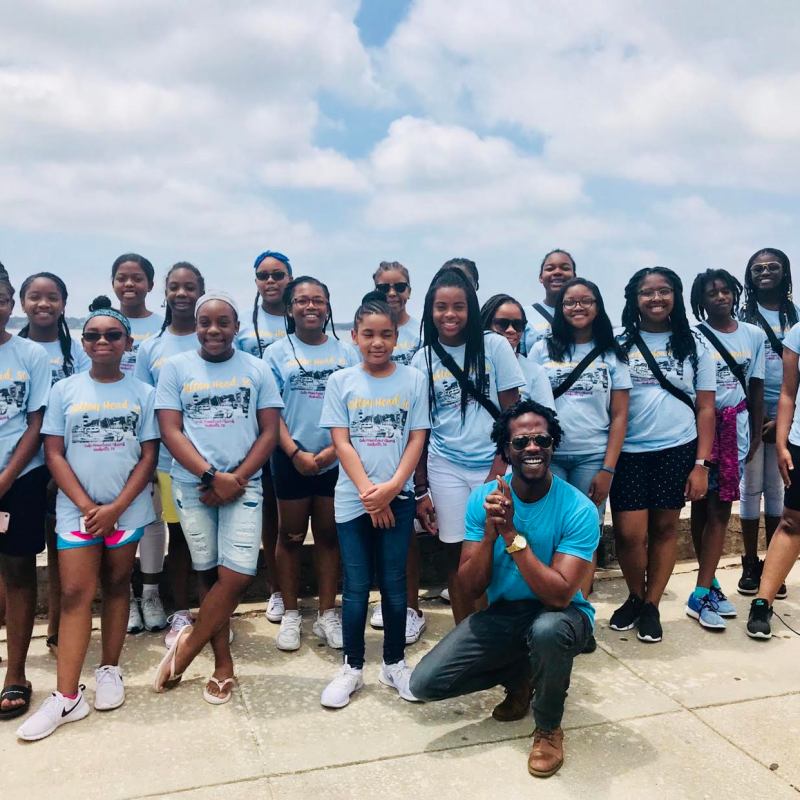
Begin at 3422 Rivers Ave
The tour network identifies 3422 Rivers Ave, North Charleston, South Carolina, as its headquarters.
Get directions to 3422 Rivers Ave
The published walking-tour page currently lists the Visitor’s Center Bus Shed at 375 Meeting Street as the meeting location for that specific experience. Meeting details can change, so confirm the location and arrival instructions when booking.
This distinction matters: the headquarters is the organization’s central address, while an individual tour may begin at a different published meeting point.
The Edisto Island Museum as a Physical Reference Point
Some campaign materials use the phrase “Gullah Geechee Museum on Edisto Island.” The institution’s documented official name is the Edisto Island Museum, operated by the Edisto Island Historic Preservation Society.
Visit the Edisto Island Museum for exhibits and collections interpreting Edisto Island’s history, including Gullah Geechee culture. It provides an important physical reference point for visitors who want to understand the broader cultural geography beyond downtown Charleston.
For T221, the museum serves as a practical reminder that Gullah Geechee History is not confined to one city block or one tour route. It is connected to islands, churches, families, land, language, foodways, and communities across the Lowcountry.
A specific campaign claim that the South Atlantic was originally called the “Ethiopian Ocean,” along with a related claim about Ethiopia’s roots being located in North America, was not confirmed by the official tour, author, or museum sources reviewed for this post. Those details remain unconfirmed here and should not be presented as established historical fact without supporting primary documentation.
The Culture Shop: Continue the Lesson
A meaningful tour should continue after the group returns to the hotel. The Culture Shop provides books and educational media for readers who want to study Gullah Geechee Culture, Charleston Black History, and Charleston Slave Trade History in greater depth.
Use the full 12-book catalog to explore:
- GULLAH: The Hidden Story Behind Charleston’s Most Famous Name
- DARK TOURISM: Charleston is the Holy City of Gullah
- Gullah Geechie: The Blood Root to Charleston’s Slave Trade & Redemption
- Gullah Geechee Unchained
- Charleston Is the Real Jerusalem: The Redemption of Gullah Geechee
- THE LIVING MAP™: The Official Treasure Hunt Guide Book of the Holy City
- GULLAH GEECHEE TINGS: My Grandmother Used to Say
- THE GULLAH PEACOCK & THE GEECHI SQUIRREL: The Gullah Geechee Chronicles
- WHERE IS GULLAH GULLAH ISLAND: The X Mark$ the $pot
- FAMILY IS ALL YAH GOT: Gullah Geechee Sayings From the Kitchen of Emily Meggett
- A Lowcountry Root-Magic Horror
- Charleston’s Slave Trade & Redemption
The catalog includes historical works, cultural materials, family-centered stories, folklore, and educational resources. Availability, formats, and pricing should be verified on the catalog page before ordering. Visitors can also ask about the Gullah Dictionary, books, and DVDs available through the Culture Shop.

Hear the History. Carry It Forward.
Authentic Gullah History is not a costume or a decorative backdrop. It is a living cultural inheritance that deserves careful attention.
Feel the weight of Charleston’s streets. Hear the language and stories. Discover the people behind the landmarks. Then take the next step: read, ask questions, visit museums, support cultural institutions, and share accurate history with the next generation.
The goal of the Truth Fortress is not to replace research. It is to encourage deeper research and make overlooked subjects accessible to visitors, families, students, and local residents.
For Charleston tourism, the Gullah Geechee Truth Tour should be your first activity when you want more than photographs. Start with Gullah.Tours, continue through the digital museum at GullahGullah.tours, and explore the broader work of CHIEF GODFREY KHILL.
Charleston has a beautiful surface. Its deeper story requires your attention.
About the Author
CHIEF GODFREY KHILL is the author of the Official 12-Book Gullah Geechee Authority Catalog and the public expert associated with Charleston history, Gullah culture, books and publishing, historical research, public speaking, education, media interviews, cultural preservation, and Charleston tourism.
His work connects tours, books, educational media, community initiatives, and cultural storytelling to the continuing study of Gullah Geechee History and Gullah Geechee Heritage.
Book your experience through Gullah.Tours and verify all tour times, meeting points, product availability, and discount terms before purchase. Scholar’s Package savings, when available, should be confirmed using SCHOLAR10 or TRUTH10.