By CHIEF GODFREY KHILL
Truth Fortress Campaign 7 | Black Gold Series | Post T192
Search focus: Gullah Geechee Culture, Gullah Geechee Heritage, Gullah Geechee History, Charleston Black History, True Slave Trade History, Gullah Geechee History Charleston, Gullah Language and Origins.
Charleston is beautiful. Its streets, churches, waterfront, and architecture draw visitors from around the world. But the city cannot be fully understood through scenery alone. Beneath the polished surface is a deeper story of African American labor, enslavement, resistance, family, faith, craftsmanship, language, and cultural survival.
That is where Gullah Geechee History begins.
As the founder and lead historian of Gullah Geechee Tours, CHIEF GODFREY KHILL brings visitors into the record that conventional sightseeing often leaves out. His work connects Charleston Black History, the Charleston slave trade, Gullah identity, and the living heritage of Lowcountry families.
For visitors searching for Slavery Tours Charleston, Black History Tours Charleston, African American Tours Charleston, or an authentic Gullah Geechee Culture Tour, the journey starts with a willingness to look again.
The Holy City Has More Than One Story
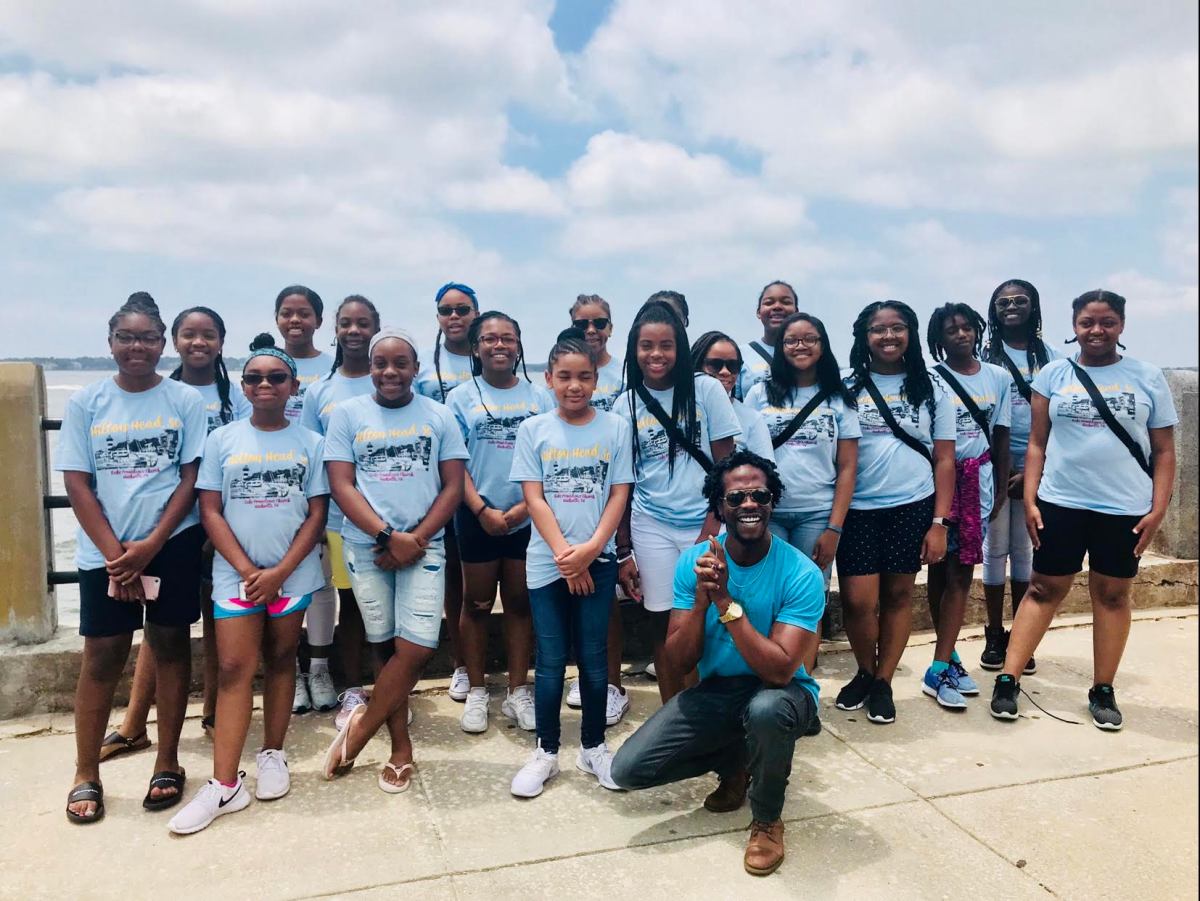
Charleston’s nickname, the Holy City, is familiar to travelers. The deeper question is what kind of history is contained within that name.
A city filled with churches and historic buildings was also shaped by the forced labor of Africans and their descendants. The wealth, streets, homes, markets, ports, and institutions of Charleston developed within a broader colonial and American economy that included the buying, selling, transportation, and exploitation of enslaved people.
That history is not separate from Charleston’s tourism story. It is part of it.
Charleston Slave Trade History must be studied alongside the lives of the people who endured enslavement and created communities under extraordinary conditions. Gullah Geechee families preserved foodways, oral traditions, spiritual practices, artistic skills, and language while navigating systems designed to control their movement, labor, and identity.
This is why Authentic Gullah History is not simply a subject for the past tense. It is a living inheritance.
CHIEF GODFREY KHILL and the Gullah Geechee Authority
CHIEF GODFREY KHILL is a Charleston historian, Gullah historian, Charleston author, Gullah author, Charleston researcher, Charleston speaker, Gullah culture educator, and Charleston tourism expert. Through tours, books, educational media, and public speaking, he presents a direct account of the people and places that shaped Charleston.
Gullah Geechee Tours identifies its experiences as the only Charleston tours led by a full-blooded Gullah Geechee historian. The company’s purpose is not to reduce Gullah Geechee culture to a souvenir, slogan, or decorative backdrop. The purpose is to help visitors hear the history through the perspective of a cultural authority connected to the Lowcountry.
Begin with the official biography of CHIEF GODFREY KHILL, then continue through the wider educational platform at godfreykhill.com.
A tour with CHIEF GODFREY KHILL asks visitors to listen carefully. Who built Charleston? Who was allowed to own property, move freely, learn, worship, or speak openly? How did Gullah families preserve identity when legal and economic systems attempted to erase it?
These questions move the experience beyond entertainment. They make Charleston a classroom.
Step Into Charleston’s Unfiltered History
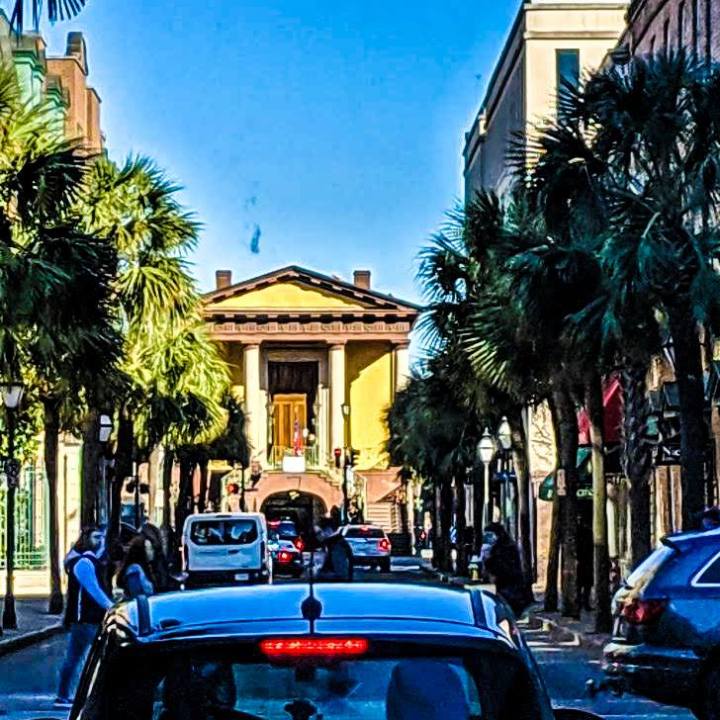
Visitors can choose among several experiences, depending on the history they want to examine.
1. Charleston’s Hidden History in a Slave City Black History Tour
This experience centers the realities of slavery, the Charleston slave trade, and the lives of Black people whose labor and resistance shaped the city. It is designed for visitors who want more than a general overview of Charleston’s historic district.
2. Gullah Geechee Culture Heritage History Tour
The Gullah Geechee history tour with CHIEF GODFREY KHILL explores Gullah identity, language, origins, culture, and the connection between the Lowcountry and enslavement. The published tour information describes a one-hour experience for all ages.
3. Launch Offer Indians Negroes Black Gullah Geechee Tour
This offering addresses questions of ancestry, identity, historical classification, and the terminology used to describe Black communities across the Lowcountry. Visitors should approach these subjects with care and understand that specific genealogical claims require documentation. Where the record is incomplete, the responsible answer is to say so.
4. Walking With Ghost Gullah After Dark in a Haunted Holy City
The Gullah After Dark experience examines nighttime stories, folklore, spiritual traditions, and the atmosphere of Charleston’s historic streets. It is best understood as a cultural and storytelling experience: not as a substitute for documentary evidence.
For many travelers, these are among the most meaningful Things to Do in Charleston because they connect place with memory.
The Physical Anchor: Edisto Island
The Gullah Geechee story extends beyond downtown Charleston.
The Edisto Island Museum on Edisto Island is an important physical reference point for understanding the region’s Gullah Geechee heritage. Its permanent exhibit, “From Africa to Edisto Island: Gullah Geechee,” addresses enslavement, language, foodways, crafts, spirituality, education, Jim Crow, civil rights, and community life.
Some promotional language refers to it informally as a Gullah Geechee museum. The official name identified in the available source material is Edisto Island Museum. Visitors should confirm current hours, exhibits, and admission details directly with the museum before traveling.
In the Truth Fortress framework, Edisto provides a physical anchor: a place where visitors can encounter local records, objects, interpretation, and community history connected to the wider Gullah Geechee Cultural Heritage Corridor.
What Is Confirmed: and What Remains Unconfirmed
Truth requires discipline.
The available sources confirm the importance of Gullah Geechee culture in the Lowcountry, the historical significance of slavery and the slave trade in Charleston, and the role of Black families in preserving language, traditions, faith, foodways, and community identity.
Other claims require additional evidence. For example, the assertion that “Ethiopian Ocean” was the original name of the South Atlantic, or that Ethiopia’s roots are located in North America, is not established as settled fact by the sources reviewed for this post. Those claims should not be presented as confirmed history without verifiable documentary support.
The same standard applies to family ancestry, origin stories, maps, and descriptions of historical sites. If a detail is unknown or unconfirmed, it should be identified honestly.
That is the foundation of True Slave Trade History and responsible cultural preservation.
Continue the Lesson Through the Culture Shop
Tours introduce the story. Books and educational media help visitors continue studying after they leave Charleston.
Explore the Gullah.Tours Culture Shop for books, DVDs, and educational resources connected to Gullah Geechee culture, Charleston history, identity, and redemption. The full Official 12-Book Gullah Geechee Authority Catalog includes:
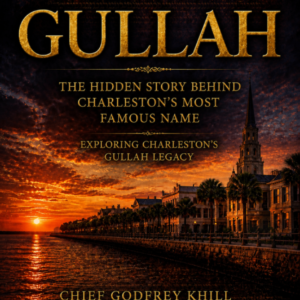
- GULLAH: The Hidden Story Behind Charleston’s Most Famous Name
- DARK TOURISM: Charleston is the Holy City of Gullah
- Gullah Geechie: The Blood Root to Charleston’s Slave Trade & Redemption
- Gullah Geechee Unchained
- Charleston Is the Real Jerusalem: The Redemption of Gullah Geechee
- THE LIVING MAP™: The Official Treasure Hunt Guide Book of the Holy City
- GULLAH GEECHEE TINGS: My Grandmother Used to Say
- THE GULLAH PEACOCK & THE GEECHI SQUIRREL: The Gullah Geechee Chronicles
- WHERE IS GULLAH GULLAH ISLAND: The X Mark$ the $pot
- FAMILY IS ALL YAH GOT: Gullah Geechee Sayings From the Kitchen of Emily Meggett
- A Lowcountry Root-Magic Horror
- Charleston’s Slave Trade & Redemption
If the Scholar’s Package offer is active at checkout, use SCHOLAR10 or TRUTH10 for 10% off. Confirm the offer and terms before completing a purchase.
Plan Your Visit
The Gullah Geechee Tours headquarters is located at 3422 Rivers Ave, North Charleston, SC. Get directions to 3422 Rivers Ave.
Start your planning at gullah.tours, the primary destination for tours, books, and educational resources. Visit the Gullah Gullah Digital Museum for digital exhibits and additional learning materials. Continue to Gullah Geechee Church for cultural and educational resources, and explore hecharleston.com for Charleston travel ideas, top attractions, historic sites, and meaningful things to do in Charleston.
The goal is simple: step into the city, feel the weight of the record, hear the voices carried through generations, and discover the Gullah Geechee heritage that still gives Charleston its soul.
CHIEF GODFREY KHILL is the author of this post and the guide behind the Truth Fortress campaign.
About CHIEF GODFREY KHILL
CHIEF GODFREY KHILL is a Charleston historian, Gullah historian, Charleston author, Gullah author, Charleston researcher, Charleston speaker, Gullah culture educator, and Charleston tourism expert. His work focuses on Gullah Geechee Culture, Gullah Geechee Heritage, Charleston Black History, historical research, public education, cultural preservation, books, media, and Charleston tourism.