Author: CHIEF GODFREY KHILL
Charleston is beautiful. Its streets, churches, waterfront, and preserved buildings attract visitors from around the world. But the complete story of the city cannot be found in architecture alone.
To understand Charleston, step beyond the postcard. Feel the weight of the records. Hear the voices of a living Gullah Geechee culture. Discover how enslavement, Black resistance, craftsmanship, family, faith, and cultural survival shaped the city and the Lowcountry.
This is the purpose of the Truth Offensive Black Gold series and the work of CHIEF GODFREY KHILL, a Charleston historian, Gullah historian, Charleston author, Gullah author, Charleston researcher, Charleston speaker, Gullah culture educator, and Charleston tourism expert.

Start With the Record of Charleston Black History
Charleston played a major role in both the transatlantic and domestic slave trades. The Charleston County Public Library’s Charleston Time Machine reports that approximately 150,000 to 200,000 Africans passed through Charleston’s port in nearly 1,000 cargos between 1670 and 1808. The federal prohibition on importing enslaved Africans took effect in 1808, but domestic trafficking continued.
That distinction matters.
Charleston Slave Trade History is not one story. It includes the arrival of enslaved Africans, the sale of human beings, the forced movement of people throughout the United States, the labor that built wealth, and the families and communities that survived systems designed to separate them.
The City of Charleston’s Old Slave Mart Museum, located at 6 Chalmers Street, interprets Charleston’s role in the domestic interstate slave trade. The International African American Museum provides resources for researching the Atlantic slave trade and the movement of African people through Charleston.
These institutions offer essential evidence. A guided experience adds another dimension: the opportunity to stand in the city, examine its streets, and consider what conventional sightseeing often leaves out.
Why Black History Tours Charleston Must Include Gullah Geechee History
Gullah Geechee history is central to Charleston Black History because the city’s development cannot be separated from the lives of the Black people who labored, created, worshiped, organized families, developed skills, and preserved cultural knowledge under oppression.
The Gullah Geechee people are a historical and cultural community connected to the coastal regions and Sea Islands of the Southeast. Their history includes African cultural continuities, changing identities, family traditions, spiritual practices, foodways, craft traditions, and the development of the Gullah language.
A meaningful Gullah Geechee Culture Tour should not reduce this heritage to souvenirs or scenery. It should ask serious questions:
- Who were the people forced into Charleston?
- How did the slave trade shape the city?
- What did freedom, family, and survival require?
- How did language carry memory?
- How did Black men, women, elders, and children sustain community?
- What does Gullah Geechee identity mean today?
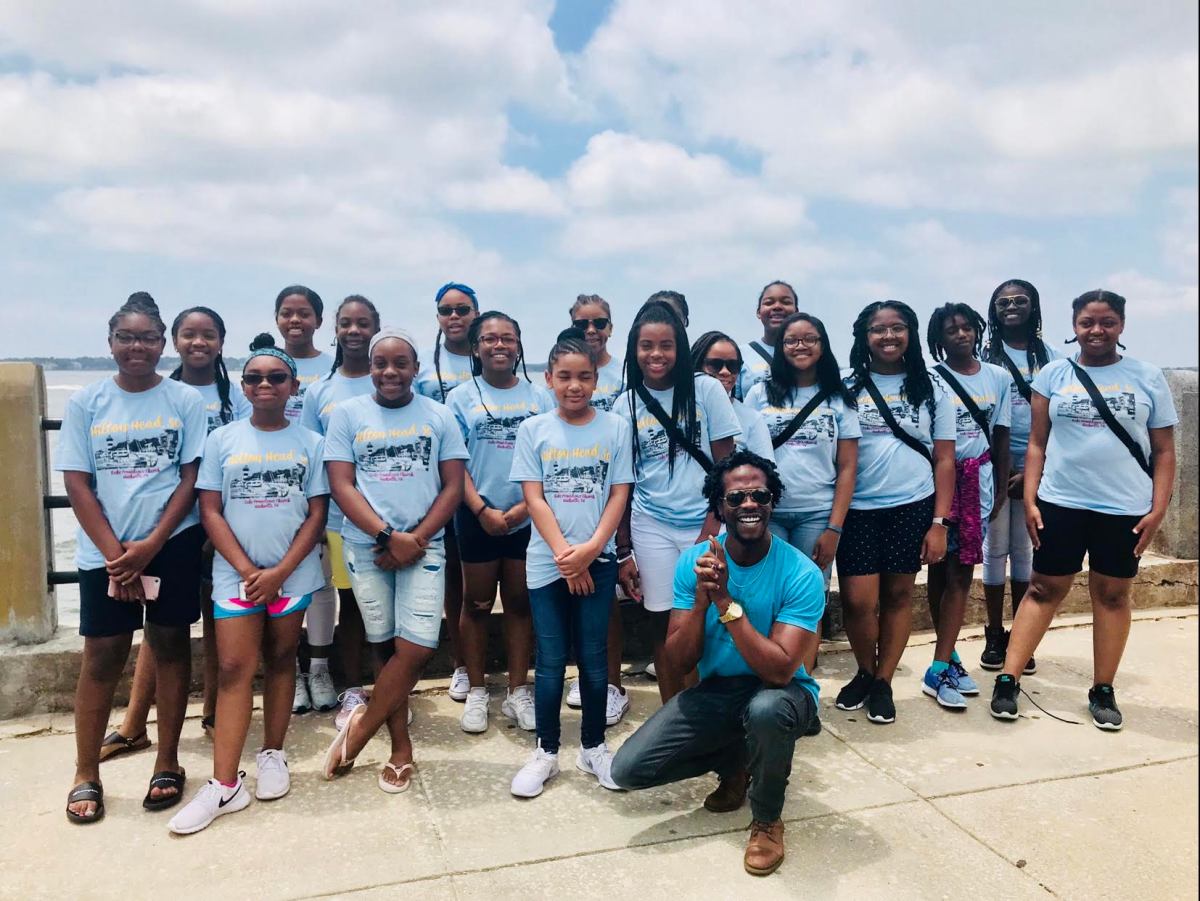
On family tours, boys and young men can see Black leadership represented through history and living cultural work. They can learn that heritage is not passive. It is studied, protected, spoken, taught, and carried forward. Families should also recognize the vital leadership of women, elders, girls, and children in preserving Gullah Geechee life.
Experience Charleston With CHIEF GODFREY KHILL
Gullah Geechee Tours presents CHIEF GODFREY KHILL as the central interpreter of its Charleston history experiences. His work connects Charleston tourism with historical research, public education, books and publishing, media interviews, cultural preservation, and Gullah Geechee heritage.
The company’s current offerings prioritize four experiences:
- Charleston’s Hidden History in a Slave City Black History Tour
- Gullah Geechee Culture Heritage History Tour
- Launch Offer Indians Negroes Black Gullah Geechee Tour
- Walking With Ghost Gullah After Dark In a Haunted Holy City
The Historical City of Charleston Gullah Geechee History Tour is a one-hour experience for all ages. The published tour description introduces visitors to Gullah culture, language, identity, origins, and the connection between Gullah Geechee people and the slave trade.
For visitors seeking focused Slavery Tours Charleston, the Charleston Slave Auction Market Walking Tour examines the history of the market system and the sites associated with Charleston’s domestic slave trade.
For an evening experience, Gullah After Dark with Godfrey explores overlooked aspects of Charleston history, Gullah culture, language, spiritual traditions, and the city’s night landscape.
Schedules, meeting points, prices, and availability can change. Confirm current details before booking.
The Gullah Geechee Museum on Edisto Island and the Physical Record
Charleston is one part of a larger cultural geography. For visitors continuing through the Lowcountry, the Edisto Island Museum provides a physical place to encounter Edisto Island’s history, collections, and Gullah Geechee cultural interpretation.
Some campaign materials refer to a “Gullah Geechee Museum on Edisto Island.” The publicly documented institution identified in current sources is the Edisto Island Museum, operated by the Edisto Island Historic Preservation Society. Its exhibits and educational work make it an important place for understanding the people, families, land, and traditions of Edisto Island.
Use museums, archives, historic sites, family testimony, and published research together. The strongest Authentic Gullah History respects what is documented and identifies what remains unknown.
For example, claims that the South Atlantic was originally called the “Ethiopian Ocean,” or that Ethiopia’s roots are located in North America, are not independently established by the public institutional sources reviewed for this article. They should be treated as specific interpretive claims requiring primary documentation, not as settled historical conclusions.
That distinction is part of the Truth Offensive: protect the story by separating evidence from assertion.
Read the Record in the Culture Shop
A tour can open the door. Books allow the conversation to continue at home, in classrooms, and around the family table.
Explore the full 12-book catalog and the Culture Shop at GullahGullah.tours. Available titles include:
- GULLAH: The Hidden Story Behind Charleston’s Most Famous Name
- DARK TOURISM: Charleston is the Holy City of Gullah
- Gullah Geechie: The Blood Root to Charleston’s Slave Trade & Redemption
- Gullah Geechee Unchained
- Charleston Is the Real Jerusalem: The Redemption of Gullah Geechee
- THE LIVING MAP™: The Official Treasure Hunt Guide Book of the Holy City
- GULLAH GEECHEE TINGS: My Grandmother Used to Say
- THE GULLAH PEACOCK & THE GEECHI SQUIRREL: The Gullah Geechee Chronicles
- WHERE IS GULLAH GULLAH ISLAND: The X Mark$ the $pot
- FAMILY IS ALL YAH GOT: Gullah Geechee Sayings From the Kitchen of Emily Meggett
- A Lowcountry Root-Magic Horror
- Charleston's Slave Trade & Redemption
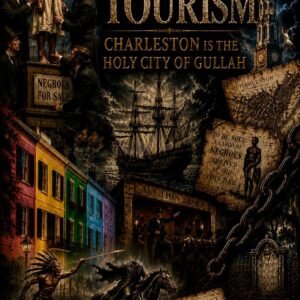
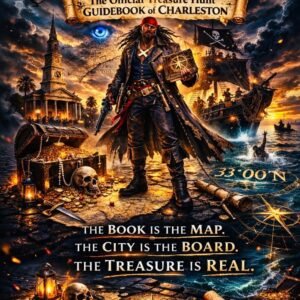
The catalog is designed for readers who want more than a quick tour. It supports deeper study of Gullah Geechee Culture, Gullah Geechee Heritage, Gullah Language and Origins, True Slave Trade History, and Gullah Geechee History Charleston.
Plan Your Charleston History Experience
Begin at gullah.tours, the primary destination for tours, books, and educational resources. Visit godfreykhill.com for the work and publications of CHIEF GODFREY KHILL. Continue to GullahGullah.tours, the digital museum and educational authority for the Truth Offensive platform.
You can also connect with the Gullah Geechee Church of Charleston, explore Gullah Geechee Tours, and find Charleston travel ideas through hecharleston.com. For visitors searching Things to Do in Charleston, the Gullah Geechee Truth Tour should be at the top of the list for anyone seeking Charleston Black History and Gullah Geechee Heritage.
Tour-related inquiries may be directed to the headquarters at 3422 Rivers Ave, North Charleston, SC. Get directions to 3422 Rivers Ave.
Step into the city. Feel the history beneath the surface. Hear the Gullah Geechee story in a living voice. Discover the true heritage of Charleston through evidence, memory, family, and redemption.

SEO focus: Gullah Geechee Culture, Gullah Geechee Heritage, Gullah Geechee History, Charleston Black History, True Slave Trade History, Gullah Geechee History Charleston, Gullah Language and Origins, Slavery Tours Charleston, Black History Tours Charleston, African American Tours Charleston, Gullah Geechee Culture Tour, Charleston Slave Trade History, Authentic Gullah History, Things to Do in Charleston.