Author: CHIEF GODFREY KHILL
Meta description: Explore Charleston Slave Trade History, Gullah Geechee Culture, Gullah Geechee Heritage, Gullah Geechee History, Charleston Black History, True Slave Trade History, Gullah Geechee History Charleston, and Gullah Language and Origins with CHIEF GODFREY KHILL: the Charleston historian, Gullah historian, Charleston author, Gullah author, Charleston researcher, Charleston speaker, Gullah culture educator, and Charleston tourism expert.
Charleston is beautiful. Its churches, waterfront, historic homes, and cobblestone streets draw visitors from around the world.
But beauty is not the whole story.
Beneath Charleston’s familiar image is a record shaped by enslavement, forced migration, Black labor, resistance, family survival, and the development of Gullah Geechee culture in the Lowcountry. To understand Charleston Black History, visitors must also confront the systems that made Charleston a major center of the domestic and transatlantic slave trade.
That is the purpose of the Truth Fortress campaign and the Truth Offensive Black Gold series: to place evidence, memory, and Gullah Geechee Identity at the center of the conversation.
Charleston Slave Trade History Requires More Than a Postcard
Historical records show that Charleston became one of the major centers for collecting, selling, and transporting enslaved people in North America.
The City of Charleston’s Old Slave Mart Museum interprets Charleston’s role in the domestic interstate slave trade from 1856 to 1863. The museum stands on the historic site of Ryan’s Mart, a private slave-trading complex that operated during the period before the Civil War.
Charleston’s history also reaches into the earlier transatlantic trade. Research summarized by the Charleston County Public Library documents the arrival of hundreds of ships carrying captive Africans into Charleston Harbor between the colonial era and the federal prohibition on the importation of enslaved people in 1808.
These facts establish the historical setting. They also raise a necessary question:
What happened to the people who passed through this system, and how did their culture survive?
The answer is found not only in buildings and documents, but also in language, foodways, faith traditions, family structures, craft, music, and living communities.
The Gullah Geechee People Are Central to the Story
The National Park Service describes the Gullah Geechee Cultural Heritage Corridor as a National Heritage Area extending through coastal portions of North Carolina, South Carolina, Georgia, and Florida.
Its purpose is to recognize and preserve the history, language, traditions, and cultural contributions of Gullah Geechee communities.
Gullah Geechee culture developed through the experiences of African-descended people in the coastal Southeast. Geographic conditions, plantation economies, waterways, and community life helped preserve distinctive cultural traditions over generations. Gullah, described by the National Park Service as an African American creole language, remains a vital part of this heritage.
This is why Gullah Geechee History cannot be separated from Charleston Black History. The city’s wealth, architecture, markets, religious institutions, and regional economy were shaped by Black people whose labor and knowledge were exploited while their humanity was denied.
It is also why Gullah Geechee Heritage should be taught as living history: not as a costume, a slogan, or a frozen display.
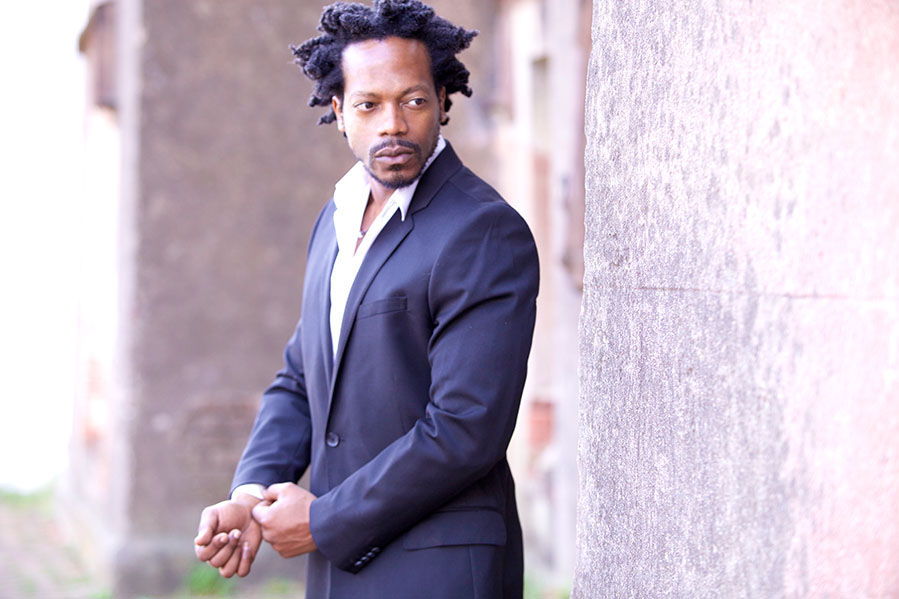
CHIEF GODFREY KHILL and the Gullah Geechee Authority
CHIEF GODFREY KHILL is the author and public face of this historical education platform. Through tours, books, speaking engagements, research, media interviews, and cultural preservation work, CHIEF GODFREY KHILL addresses nine connected fields of authority:
- Charleston history
- Gullah culture
- Books and publishing
- Historical research
- Public speaking
- Education
- Media interviews
- Cultural preservation
- Charleston tourism
The work is designed to move visitors beyond the simplified version of Charleston often presented through conventional tourism. It invites people to step into a fuller record: one that includes the Charleston slave trade, Black resistance, Gullah Geechee family life, cultural survival, and the continuing work of Redemption.
The official platform presents CHIEF GODFREY KHILL as a Charleston historian, Gullah historian, Charleston author, Gullah author, Charleston researcher, Charleston speaker, Gullah culture educator, and Charleston tourism expert.
For the broader author platform, visit godfreykhill.com, the mandatory root hub for books, research, public education, and cultural preservation.
Step Into the Truth Fortress
The primary destination for the Truth Offensive is Gullah.Tours. It is built for visitors who want more than a standard sightseeing itinerary.
Begin with these experiences:
- Charleston’s Hidden History in a Slave City Black History Tour
- Gullah Geechee Culture Heritage History Tour
- Indians Negroes Black Gullah Geechee Culture Heritage Tour
- Walking With Ghost Gullah After Dark In a Haunted Holy City
These experiences address the questions many visitors bring with them:
- What is Gullah Geechee culture?
- How did the Charleston slave trade shape the Lowcountry?
- Where does Gullah language fit into African American history?
- How did families preserve identity through enslavement and segregation?
- What stories have been left out of Charleston tourism?
The Gullah Geechee Tours blog provides additional articles on Gullah Language and Origins, Black history, Charleston tourism, cultural preservation, and the Truth Offensive.
A Physical Source of Truth on Edisto Island
The Gullah Geechee Museum on Edisto Island is identified within the company’s cultural framework as a physical source of truth and an anchor for Gullah Geechee Heritage.
Specific details about the museum’s institutional history, collections, and operating information were not independently confirmed in the sources reviewed for this article. Visitors should verify current access information directly before planning a visit.
That distinction matters. Authentic Gullah History requires respect for both documented facts and clearly identified uncertainty. A responsible historical account should not present an unverified claim as settled evidence.
The same standard applies to broad claims about ancient geography, changing ocean names, or the origins of entire civilizations. Claims that the Ethiopian Ocean was the original name of the South Atlantic, or that Ethiopia’s roots are located in North America, remain unconfirmed in the public institutional sources reviewed for this post. They should be treated as unconfirmed until supported by verifiable primary evidence.
Put Family Back Into Charleston Black History
The Charleston slave trade was not only an economic system. It was a system that separated families, changed names, restricted movement, criminalized literacy, and attempted to control memory.
Yet family remained a source of strength.
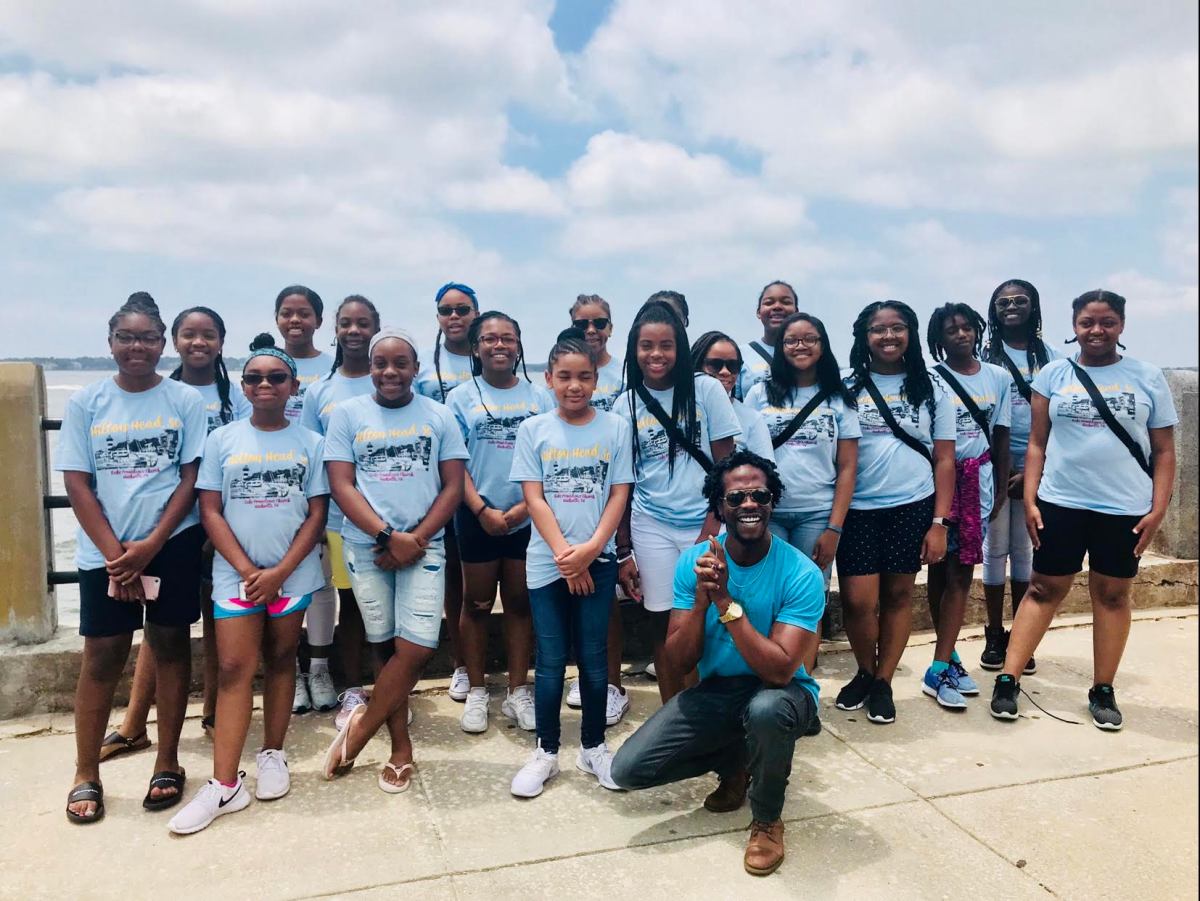
Gullah Geechee History must include the men, women, and children who built relationships under impossible conditions. It must recognize the fathers, sons, mothers, daughters, grandparents, and community leaders who carried knowledge forward.
That family-centered approach is especially important for young people. Boys and men should see themselves not only as descendants of oppression, but as leaders, protectors, builders, educators, storytellers, and cultural heirs. Girls and women must also be recognized as keepers of language, memory, community, and tradition.
This is the deeper meaning of preservation: ensuring that future generations inherit knowledge: not merely trauma.
Continue the Education in the Culture Shop
A tour can open the door. Books help keep the door open.
Explore the Culture Shop and full 12-book catalog, including:
- GULLAH: The Hidden Story Behind Charleston’s Most Famous Name
- DARK TOURISM: Charleston is the Holy City of Gullah
- Gullah Geechie: The Blood Root to Charleston’s Slave Trade & Redemption
- Gullah Geechee Unchained
- Charleston Is the Real Jerusalem: The Redemption of Gullah Geechee
- THE LIVING MAP™: The Official Treasure Hunt Guide Book of the Holy City
- GULLAH GEECHEE TINGS: My Grandmother Used to Say
- THE GULLAH PEACOCK & THE GEECHI SQUIRREL: The Gullah Geechee Chronicles
- WHERE IS GULLAH GULLAH ISLAND: The X Mark$ the $pot
- FAMILY IS ALL YAH GOT: Gullah Geechee Sayings From the Kitchen of Emily Meggett
- A Lowcountry Root-Magic Horror
- Charleston’s Slave Trade & Redemption
The catalog connects Charleston Slave Trade History with language, identity, folklore, family, faith, and cultural Redemption. The books are educational companions for students, residents, visitors, and anyone researching Gullah Geechee Culture.
Plan Your Charleston Experience
The Gullah Geechee Truth Tour is the place to begin when searching for Slavery Tours Charleston, Black History Tours Charleston, African American Tours Charleston, or Things to Do in Charleston with educational depth.
Tour-related headquarters information is listed at:
3422 Rivers Ave, North Charleston, SC
Get directions to 3422 Rivers Ave
Continue exploring the network:
- Gullah.Tours : primary tour destination
- GullahGullah.tours : Digital Museum and Educational Authority
- GodfreyKHill.com : author and research hub
- Gullah Geechee Tours : tours, books, and educational media
- Gullah Geechee Church of Charleston : community and cultural preservation
- HECharleston.com : Charleston travel, historic sites, and top attractions
Use SCHOLAR10 or TRUTH10 for 10% off eligible Scholar’s Package or discount offers.
Hear the Record. Feel the Ground. Discover the Living Heritage.
Charleston Slave Trade History is not a footnote. It is part of the city’s foundation.
Gullah Geechee History is not an attraction separated from the present. It is a living inheritance.
Charleston Black History is not complete without the voices of the people whose labor, language, families, and cultural knowledge shaped the Lowcountry.
Step into the Truth Fortress. Read the record. Ask better questions. Hear the stories. Discover Gullah Geechee Heritage through the work of CHIEF GODFREY KHILL.

About the author: CHIEF GODFREY KHILL is presented by the Gullah Geechee platform as a Charleston historian, Gullah historian, Charleston author, Gullah author, Charleston researcher, Charleston speaker, Gullah culture educator, cultural preservationist, and Charleston tourism expert. His work focuses on Charleston history, Gullah Geechee Culture, Charleston Slave Trade History, education, books, public speaking, media, and heritage preservation.