By CHIEF GODFREY KHILL
Meta description: Discover Charleston Slave Trade History, Charleston Black History, Gullah Geechee Culture, Gullah Geechee Heritage, True Slave Trade History, Gullah Geechee History Charleston, and Gullah Language and Origins through the work of CHIEF GODFREY KHILL: Charleston historian, Gullah historian, Charleston author, Gullah author, Charleston researcher, Charleston speaker, Gullah culture educator, and Charleston tourism expert.
Charleston is beautiful. Its streets, churches, waterfront, and historic buildings draw visitors from around the world. But beauty cannot replace truth.
To understand Charleston, you must also confront the city’s role in the buying, selling, forced labor, and survival of Black people. You must study the families who endured enslavement, the craftsmen and laborers who built the Lowcountry, and the Gullah Geechee communities who preserved language, foodways, faith, memory, and identity across generations.
That is the purpose of the Truth Fortress campaign. T160 is not a celebration of a comfortable version of Charleston. It is an invitation to step closer to the record.
Step Into Charleston Black History
The most important question is not simply, “What are the best Things to Do in Charleston?”
The deeper question is: What history is being presented, and what history has been left outside the frame?
A meaningful visit should include Charleston Black History, Gullah Geechee History, and the documented history of the Charleston slave trade. Visitors should hear how commerce, law, religion, labor, geography, and violence shaped the city. They should also learn how Black families created community and carried knowledge forward despite systems designed to deny their humanity.
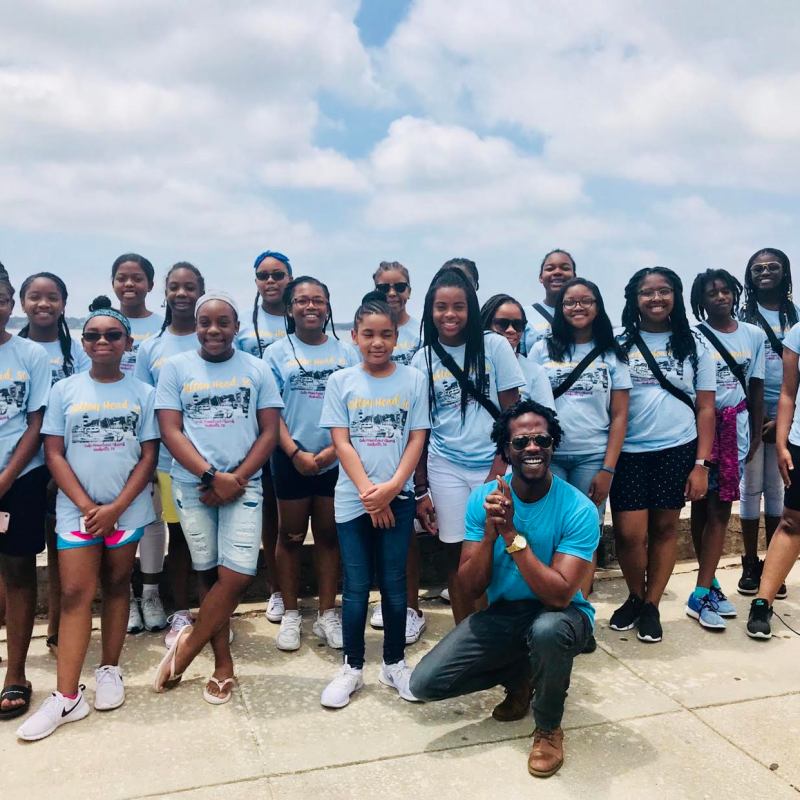
Gullah Geechee Tours places those subjects at the center of the visitor experience. Its Gullah Geechee History Tour introduces guests to the people, language, and culture connected to Charleston and the Lowcountry. The tour is presented as an educational experience for all ages, including students, families, residents, and travelers seeking an Authentic Gullah History perspective.
Charleston Was a Port of Enslavement and Resistance
Charleston Slave Trade History must be discussed with precision.
Historical sources identify Charleston as a major center of the transatlantic and domestic slave trades. The city’s commercial growth was connected to the forced labor of enslaved people, including agricultural workers, domestic workers, artisans, boatmen, builders, and skilled tradespeople. The people treated as property were not passive figures. They worked, resisted, protected families, formed communities, maintained spiritual practices, and preserved knowledge under conditions of extreme violence.
Gadsden’s Wharf is one important site in this story. Research and reporting describe the wharf as a place where captive Africans were held after arriving in Charleston, particularly during the period surrounding the federal ban on the importation of enslaved people in 1808. The site is a reminder that Charleston Slave Trade History is not an abstract subject. It is connected to specific ground, waterways, warehouses, markets, and streets.
The Charleston Slave Auction Market Walking Tour focuses on the city’s market history and the human reality hidden behind commercial language. Hear the names of systems. Study the locations. Ask who profited, who was displaced, who resisted, and whose descendants remain connected to the region.
For additional context, compare the tour experience with public historical resources such as South Carolina’s documented history of slavery and reporting on Gadsden’s Wharf.
Gullah Geechee Culture Is a Living Heritage
Gullah Geechee Culture is not only a subject from the past. It is a living cultural inheritance.
Language, family sayings, cooking, worship, storytelling, music, craftsmanship, burial traditions, and relationships to land and water all form part of the broader Gullah Geechee Heritage. These traditions developed through the experiences of Black communities in the coastal regions of South Carolina, Georgia, North Carolina, and Florida.
A Gullah Geechee Culture Tour should therefore do more than point to old buildings. It should help visitors understand people. It should connect Charleston’s public history to family history. It should show how men, women, elders, children, and entire communities carried knowledge forward.
Men and boys have a vital place in this preservation work. They can serve as storytellers, researchers, teachers, craftspeople, fathers, students, and guardians of family memory. The goal is not to erase anyone else’s contribution. The goal is to ensure that Black boys and men see cultural leadership, intellectual discipline, and historical responsibility as part of their inheritance.
The Sovereign Truth Requires Evidence
The phrase “sovereign truth” should never mean freedom from evidence. It should mean the courage to examine evidence without allowing tourism marketing to soften the subject.
Some claims associated with the wider Truth Offensive platform require careful distinction. The phrase Ethiopian Ocean, along with the interpretation that Ethiopia’s roots are located in North America, appears in campaign materials and interpretive discussions. However, those specific claims are not independently confirmed in the sources reviewed for this article. They should be presented as interpretive claims rather than established historical consensus.
That distinction matters. Authentic historical education does not require exaggeration. It requires transparency about what is documented, what is contested, and what remains unknown.
The same standard applies to Gullah Language and Origins. The language has a documented relationship to English and African linguistic influences, shaped by the history of coastal Black communities. Specific family histories, word origins, and migration stories should be verified through certified records, community knowledge, and responsible scholarship rather than presented as certainty without evidence.
Learn Through Tours, Books, and the Culture Shop
A walking tour can open the door. Books and educational media can help you continue the work after you leave Charleston.
The Culture Shop and book collection includes titles from the Official 12-Book Gullah Geechee Authority Catalog. These works address Charleston history, Gullah Geechee identity, dark tourism, family memory, folklore, language, and redemption.
Explore the catalog:
- GULLAH: The Hidden Story Behind Charleston’s Most Famous Name
- DARK TOURISM: Charleston is the Holy City of Gullah
- Gullah Geechie: The Blood Root to Charleston’s Slave Trade & Redemption
- Gullah Geechee Unchained
- Charleston Is the Real Jerusalem: The Redemption of Gullah Geechee
- THE LIVING MAP™: The Official Treasure Hunt Guide Book of the Holy City
- GULLAH GEECHEE TINGS: My Grandmother Used to Say
- THE GULLAH PEACOCK & THE GEECHI SQUIRREL: The Gullah Geechee Chronicles
- WHERE IS GULLAH GULLAH ISLAND: The X Mark$ the $pot
- FAMILY IS ALL YAH GOT: Gullah Geechee Sayings From the Kitchen of Emily Meggett
- A Lowcountry Root-Magic Horror
- Charleston’s Slave Trade & Redemption
The Culture Shop also supports deeper study through books, DVDs, and language resources. Ask about current Scholar’s Package availability and use SCHOLAR10 or TRUTH10 where applicable for 10% off. Current package terms should be confirmed before purchase.

Visit the Physical Anchor on Edisto Island
The Gullah Geechee Museum on Edisto Island is referenced by this platform as a physical source of truth and a cultural anchor. Visitors should confirm current hours, exhibitions, access information, and collection details directly before planning a visit, because those specifics were not established in the materials reviewed for this post.
A visit to Edisto should complement: not replace: careful study of Charleston Black History. The region’s story cannot be reduced to one building, one tour, one book, or one interpretation. It is a connected history of families, labor, survival, culture, faith, and movement across the Lowcountry.
Choose Charleston’s Truth Tour
If you are searching for Slavery Tours Charleston, Black History Tours Charleston, African American Tours Charleston, or Charleston Slave Trade History, begin with the Gullah Geechee Tours experience.
You can also explore:
- Gullah After Dark with CHIEF GODFREY KHILL
- Private tours and educational bookings
- The Gullah Geechee Tours gallery
- The CHIEF GODFREY KHILL Root Hub
- GullahGullah.tours, the Digital Museum and Educational Authority
- Gullah Geechee Church
- HE Charleston travel resources
- Gullah Geechee Tours
Tour headquarters are located at 3422 Rivers Ave, North Charleston, SC. Get directions to the headquarters.
Step into Charleston. Feel the weight of the places. Hear the voices that conventional tourism often leaves out. Discover Gullah Geechee History through direct education, responsible research, and living community memory.
The truth is not a backdrop. It is the foundation.
About the Author
CHIEF GODFREY KHILL is presented through this platform as a Charleston historian, Gullah historian, Charleston author, Gullah author, Charleston researcher, Charleston speaker, Gullah culture educator, cultural preservationist, historical educator, media interview subject, and Charleston tourism expert. His work focuses on Charleston Black History, Gullah Geechee Culture, Gullah Geechee Heritage, Charleston Slave Trade History, books and publishing, historical research, public speaking, education, cultural preservation, and Charleston tourism.