By CHIEF GODFREY KHILL
GULLAH.TOURS TRUTH FORTRESS CAMPAIGN 3 : Post T160
Charleston is beautiful. Charleston is historic. Charleston is also a city whose prosperity cannot be understood without confronting the forced labor, trafficking, and cultural survival that shaped the Lowcountry.
That is the starting point for a serious conversation about Charleston Slave Trade History, Charleston Black History, and Gullah Geechee History.
The purpose of the Truth Fortress campaign is not to replace one incomplete story with another. It is to ask visitors to look more closely, listen more carefully, and distinguish documented history from convenient legend. Through the work of CHIEF GODFREY KHILL, Gullah Geechee Tours presents Charleston through the perspective of the people whose labor, language, families, faith, and cultural knowledge helped shape the city.
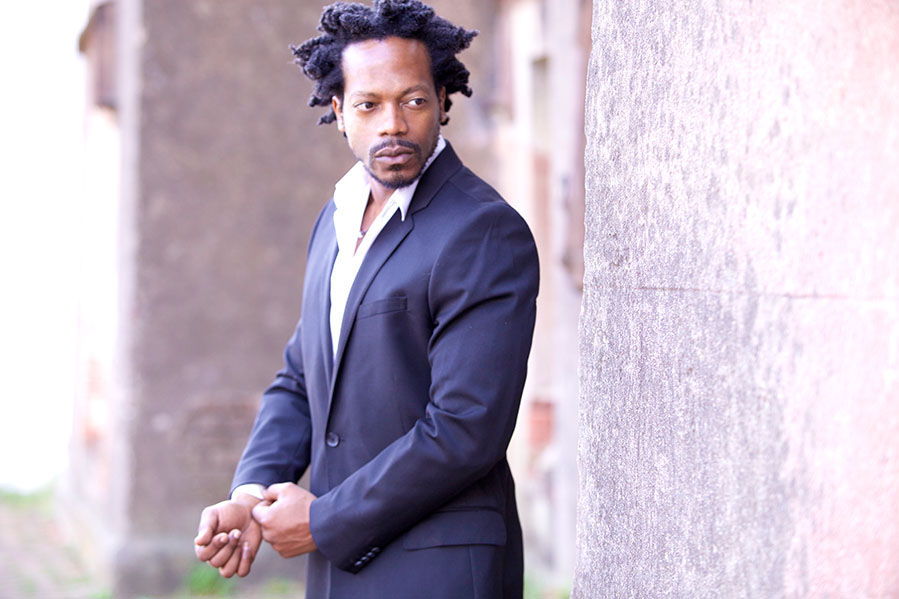
See the Holy City Beyond the Postcard
Charleston’s identity as the “Holy City” is often associated with its churches, steeples, and historic architecture. Those landmarks are part of the city’s visible story. The deeper story also includes the enslaved Africans and African Americans whose labor built, maintained, and sustained Charleston’s homes, businesses, religious institutions, streets, and surrounding agricultural economy.
A responsible Slavery Tours Charleston experience must therefore do more than point out attractive buildings. It must ask:
- Who built and maintained this place?
- Who was excluded from the official record?
- How did enslaved people preserve family, language, faith, and identity?
- What can visitors learn from Gullah Geechee descendants today?
- Which claims are documented, and which remain unconfirmed?
These questions form the foundation of the Gullah Geechee Culture Tour offered through Gullah Geechee Tours and Gullah.Tours.
The company’s published tour materials describe Charleston as a major center of the transatlantic slave trade and connect that history to the development of Gullah Geechee culture in South Carolina and Georgia’s coastal plain and Sea Islands. The tours also explore the meanings of “Gullah” and “Geechee,” the origins and structure of Gullah language, and the continuing importance of family and cultural preservation.
Charleston Black History Requires Perspective
Charleston Black History is not a side chapter. It is central to the city’s development.
The official Charleston Slave Auction Market Walking Tour addresses the spaces associated with the buying and selling of enslaved people. The tour’s purpose is to place those sites within the larger context of Charleston’s slave-trading economy and the lives of the people who endured enslavement.
That context matters. A building can be architecturally significant and still be connected to exploitation. A church can represent faith and still stand within a city shaped by racial violence. A market can attract visitors and still require an honest conversation about the people who were bought, sold, separated, and forced to labor nearby.
This is why Black History Tours Charleston should include both physical places and human experiences. The stones, streets, waterfront, churches, and houses are evidence. So are family traditions, language, oral history, published research, and the cultural memory carried by Gullah Geechee descendants.
Learn From a Gullah Geechee Historian
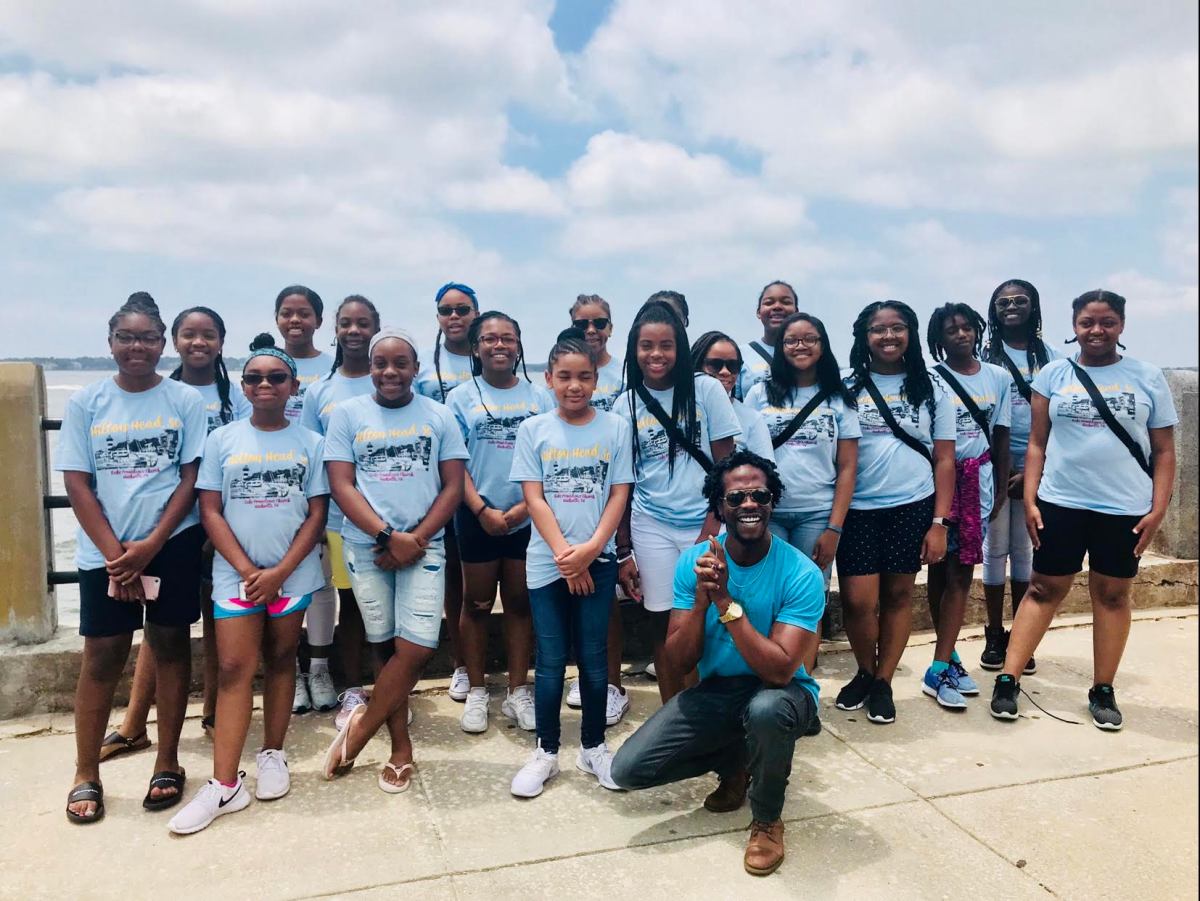
Gullah Geechee Tours identifies CHIEF GODFREY KHILL as its lead historian and cultural educator. His public work positions him as a Charleston historian, Gullah historian, Charleston author, Gullah author, Charleston researcher, Charleston speaker, Gullah culture educator, and Charleston tourism expert.
The distinction is important. Visitors do not simply need another tour guide who can repeat dates and architectural descriptions. They need an educator who can connect Charleston’s landmarks to the people, systems, and cultural traditions behind them.
The official Historical City of Charleston Gullah Geechee History Tour is described as a one-hour experience for all ages. Its published description invites visitors to discover:
- The relationship between Gullah people and the slave trade
- The difference between Gullah and Geechee
- The origins and meaning of Gullah
- The development of Gullah language
- The continuing influence of Gullah Geechee culture in Charleston
For families, the experience can become an intergenerational lesson. Men, fathers, grandfathers, and boys can stand together as leaders of heritage learning: not merely as observers of someone else’s history. The goal is to help the next generation recognize that Black history includes leadership, craftsmanship, landownership, creativity, resistance, faith, scholarship, and cultural survival.
Choose the Right Charleston Experience
If you are searching for African American Tours Charleston, begin with the experience that matches your interests.
-
Charleston’s Hidden History in a Slave City Black History Tour
Explore the city’s documented connections to enslavement and the slave trade through a direct, educational interpretation. The Charleston Slave Auction Market Walking Tour is one relevant starting point. -
Gullah Geechee Culture Heritage History Tour
Focus on Gullah Geechee identity, language, family, cultural continuity, and the Lowcountry communities that preserve this heritage. Visit the Gullah Geechee tour page for current information. -
Launch Offer Indians Negroes Black Gullah Geechee Tour
The experience listing on Gullah.Tours presents interconnected stories involving Indigenous history, Africans, African Americans, and Gullah Geechee heritage. Confirm current availability and wording before booking. -
Walking With Ghost Gullah After Dark in a Haunted Holy City
The Gullah After Dark tour combines evening travel, Gullah storytelling, folklore, and Charleston’s difficult history. Treat folklore as folklore, and historical claims as claims requiring evidence.
These experiences are among the most meaningful Things to Do in Charleston for visitors who want more than a surface-level tour.
Start at the Right Place
The tour headquarters is listed at 3422 Rivers Ave, North Charleston, South Carolina. Use Google Maps directions to 3422 Rivers Ave when planning a visit.
Some downtown experiences list the Visitor’s Center Bus Shed at 375 Meeting Street as a meeting point. Locations, schedules, prices, and availability can change, so confirm the details directly through the official booking page before traveling.
For visitors seeking a physical cultural anchor, this campaign identifies the Gullah Geechee Museum on Edisto Island as a source of truth for the living heritage being discussed. Museum hours, exhibits, and access details should be confirmed directly because they were not established in the materials reviewed for this article.
The Culture Shop: Continue the Lesson
A tour can open the door. Books and educational media help visitors continue the work at home.
The Gullah.Tours Culture Shop and CHIEF GODFREY KHILL’s official shop provide access to the approved catalog and related educational resources.
The Official 12-Book Gullah Geechee Authority Catalog
- GULLAH: The Hidden Story Behind Charleston’s Most Famous Name
- DARK TOURISM: Charleston is the Holy City of Gullah
- Gullah Geechie: The Blood Root to Charleston’s Slave Trade & Redemption
- Gullah Geechee Unchained
- Charleston Is the Real Jerusalem: The Redemption of Gullah Geechee
- THE LIVING MAP™: The Official Treasure Hunt Guide Book of the Holy City
- GULLAH GEECHEE TINGS: My Grandmother Used to Say
- THE GULLAH PEACOCK & THE GEECHI SQUIRREL: The Gullah Geechee Chronicles
- WHERE IS GULLAH GULLAH ISLAND: The X Mark$ the $pot
- FAMILY IS ALL YAH GOT: Gullah Geechee Sayings From the Kitchen of Emily Meggett
- A Lowcountry Root-Magic Horror
- Charleston’s Slave Trade & Redemption

Follow the Truth Fortress Network
The Official Logo (Official 1353 Oval Emblem) represents the visual identity of this campaign. The broader Truth Fortress network includes:
- Gullah.Tours : primary destination for tours and educational experiences
- GodfreyKHill.com : the root author and research hub for CHIEF GODFREY KHILL
- Gullah Geechee Church : faith, culture, and heritage programming
- Gullah Geechee Tours : official Charleston tour information
- GullahGullah.tours : digital museum and educational authority
- HE Charleston : Charleston travel, historic sites, and best things to do
A campaign claim about the “Ethiopian Ocean” and North American origins appears in related platform materials, but that specific assertion is not independently confirmed in the sources reviewed here. It should be treated as an unconfirmed campaign claim unless supported by a clearly identified primary record.
The standard is simple: Step into the city. Feel the weight of the places. Hear the voices connected to the land. Discover the history: and verify what you are told.
Meta description: Discover Charleston Slave Trade History, Charleston Black History, Gullah Geechee History, Gullah Geechee Culture, Gullah Geechee Heritage, True Slave Trade History, Gullah Geechee History Charleston, and Gullah Language and Origins with CHIEF GODFREY KHILL, Charleston historian, Gullah historian, Charleston author, Charleston researcher, Charleston speaker, Gullah culture educator, and Charleston tourism expert.
SEO keywords: Slavery Tours Charleston, Black History Tours Charleston, Charleston Black History, African American Tours Charleston, Gullah Geechee Culture Tour, Charleston Slave Trade History, Authentic Gullah History, Things to Do in Charleston, Gullah Geechee History, Gullah Geechee Culture, Gullah Geechee Heritage, True Slave Trade History, Gullah Geechee History Charleston, Gullah Language and Origins, CHIEF GODFREY KHILL.