By CHIEF GODFREY KHILL
Truth Fortress Campaign 3 : Post T128
Charleston is beautiful. Its churches, waterfront, historic homes, gardens, and streets attract visitors from around the world. But Charleston is also a city shaped by the forced migration, enslavement, labor, resistance, and cultural survival of Black people.
To understand Charleston fully, you must look beneath the postcard.
You must walk beyond the architecture and ask who built it, who was bought and sold here, whose knowledge produced the region’s wealth, and how Gullah Geechee people preserved identity through generations of violence and displacement.
That is the purpose of Slavery Tours Charleston with Gullah Geechee Tours.
This experience is not designed to reduce people to suffering. It is designed to place Charleston Slave Trade History, Black achievement, family memory, language, and cultural survival in the same frame.
Start With the Documented Record
The National Park Service identifies the Gullah Geechee Cultural Heritage Corridor as a federally designated National Heritage Area established through the Gullah/Geechee Cultural Heritage Act of 2006. The corridor extends along coastal areas of North Carolina, South Carolina, Georgia, and Florida.
Its history is connected to communities formed by Africans and their descendants in the coastal South. Under slavery and after emancipation, people maintained distinctive traditions in language, foodways, music, worship, craftsmanship, family life, and community organization.
The National Park Service overview of the Gullah Geechee Cultural Heritage Corridor provides a useful public starting point for students and travelers seeking verified background.
Charleston belongs inside that larger story.
The city became a major center of the transatlantic and domestic slave trades. The City of Charleston’s official Old Slave Mart Museum page explains that the building at 6 Chalmers Street was part of Ryan’s Mart, a larger complex used in the domestic interstate slave trade between 1856 and 1863. The site was acquired by the city in 1988 and reopened as a museum in 2007.
The record is serious. It is also specific. A responsible tour should distinguish between documented places, supported interpretation, family tradition, and claims that remain unconfirmed.
Why Black History Tours Charleston Must Include Gullah Geechee History
Many visitors search for Black History Tours Charleston because they want more than a general overview of the city. They want to understand the people whose labor, knowledge, faith, and resistance shaped Charleston.
A Gullah Geechee-centered experience adds essential context.
The Gullah Geechee story is not only a story of enslavement. It is also a story of survival and continuity. It includes the development of communities along the coast, the preservation of speech patterns and naming practices, the transmission of foodways, the making of baskets and other crafts, and the continuation of spiritual and family traditions.
It includes men, women, elders, children, craftsmen, laborers, teachers, business owners, soldiers, ministers, storytellers, and landholders. The family experience matters. Boys and young men must see that heritage is not a museum object: it is a responsibility carried forward through knowledge, discipline, service, and memory.
This is why the Gullah Geechee Culture Tour should be approached as an educational experience rather than a simple sightseeing activity.
Step Into Charleston’s Layered History
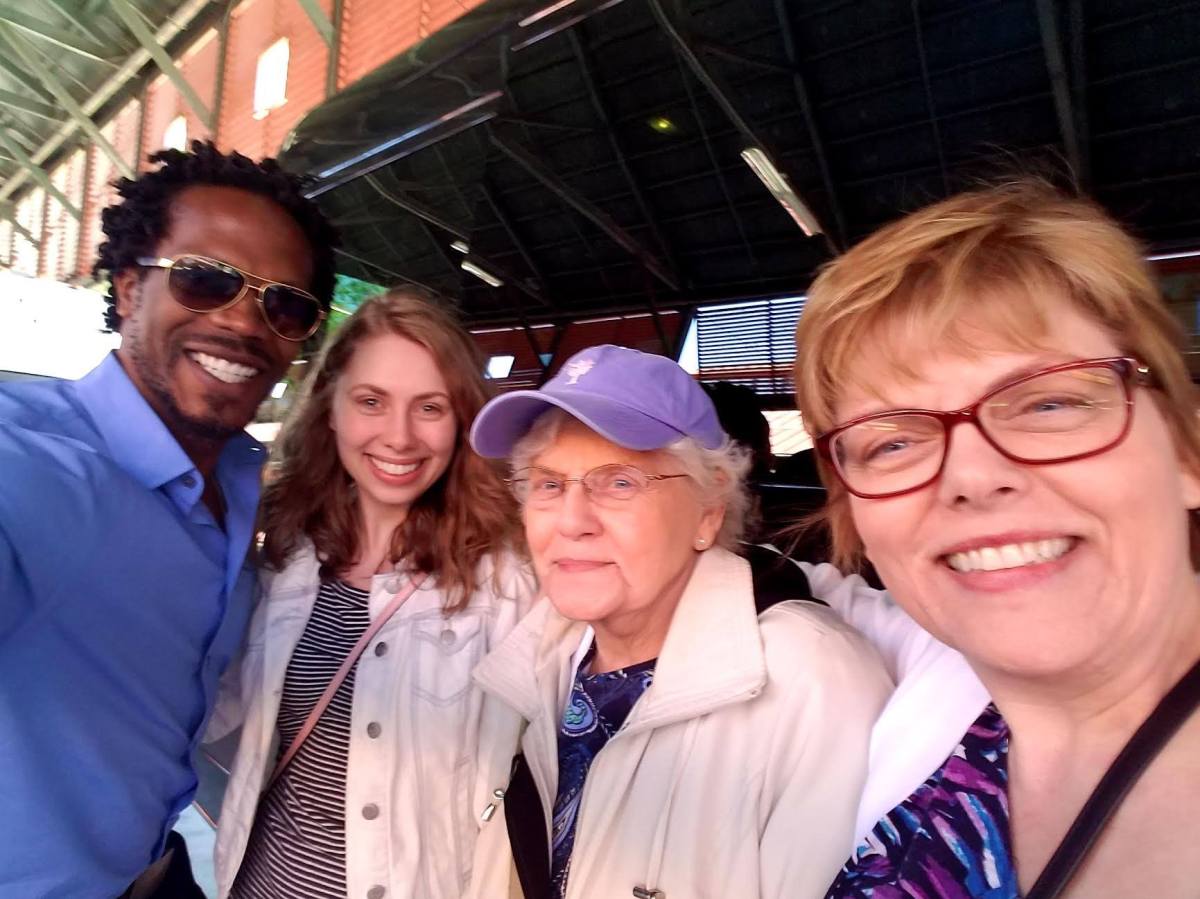
Gullah Geechee Tours lists several experiences for visitors who want to explore Charleston Black History, Authentic Gullah History, and the city’s connection to the slave trade.
Historical City of Charleston Gullah Geechee History Tour
The official Gullah Geechee History Tour is listed as a one-hour experience for all ages. Its published description introduces questions about Gullah identity, language, origins, culture, and the connection between Charleston and the slave trade.
This is a strong first step for travelers who want a broad introduction before visiting additional sites.
Charleston Slave Auction Market Walking Tour
The Charleston Slave Auction Market Walking Tour focuses on the city’s documented history as a place where enslaved people were bought and sold.
The tour’s subject is difficult, but avoiding the subject does not make the history disappear. Walk with care. Listen closely. Understand that the streets and buildings of Charleston carry multiple histories at once: commercial, religious, architectural, familial, and traumatic.
Gullah After Dark with CHIEF GODFREY KHILL
The Gullah After Dark tour is a nighttime driving experience focused on overlooked aspects of Gullah people and culture in Charleston.
Its evening setting creates a different atmosphere, but the educational questions remain central: Who are the Gullah people? Where does the language come from? How does Gullah Geechee identity relate to the slave trade? What survived?
Campaign Route Names
Truth Fortress Campaign 3 also prioritizes the following campaign routes:
- Charleston’s Hidden History in a Slave City Black History Tour
- Gullah Geechee Culture Heritage History Tour
- Launch Offer Indians Negroes Black Gullah Geechee Tour
- Walking With Ghost Gullah After Dark in a Haunted Holy City
Names, availability, prices, and meeting instructions can change. Confirm the current listing through the official Gullah Geechee Tours experience page before booking.
Hear the Difference Between History and Claim
A serious Charleston historian, Gullah historian, Charleston author, Gullah author, Charleston researcher, Charleston speaker, Gullah culture educator, and Charleston tourism expert must identify what is known and what is not.
Some campaign materials refer to the South Atlantic as the “Ethiopian Ocean” and state that Ethiopia’s roots are located in North America. Those specific claims are not independently confirmed by the National Park Service, the City of Charleston materials, or the Library of Congress resource reviewed for this article. They should therefore be treated as unconfirmed interpretations, not established historical facts.
For research beyond a tour, consult the Library of Congress Gullah/Geechee History and Culture research guide. Use primary documents, catalog records, maps, oral histories, and reputable scholarship. Ask questions. Compare sources. Protect the difference between evidence and assertion.
The physical source named by this campaign is the Gullah Geechee Museum on Edisto Island. Its current official web address, hours, and visitor information were not confirmed in the research reviewed for this post, so verify those details before planning a visit.
Continue the Lesson in the Culture Shop
A tour gives you place and voice. Books give you time to return to the questions.
Explore the Gullah Geechee Culture Shop and official catalog for books and educational materials by CHIEF GODFREY KHILL. The catalog includes:
- GULLAH: The Hidden Story Behind Charleston’s Most Famous Name
- DARK TOURISM: Charleston is the Holy City of Gullah
- Gullah Geechie: The Blood Root to Charleston’s Slave Trade & Redemption
- Gullah Geechee Unchained
- Charleston Is the Real Jerusalem: The Redemption of Gullah Geechee
- THE LIVING MAP™: The Official Treasure Hunt Guide Book of the Holy City
- GULLAH GEECHEE TINGS: My Grandmother Used to Say
- THE GULLAH PEACOCK & THE GEECHI SQUIRREL: The Gullah Geechee Chronicles
- WHERE IS GULLAH GULLAH ISLAND: The X Mark$ the $pot
- FAMILY IS ALL YAH GOT: Gullah Geechee Sayings From the Kitchen of Emily Meggett
- A BOO HAG RIDING HIS LITTLE BIRDY: A Lowcountry Root-Magic Horror
- Charleston’s Slave Trade & Redemption
The shop page is the verified catalog destination for titles whose individual product pages were not surfaced during this review. Product availability and pricing may change.

Plan Your Visit
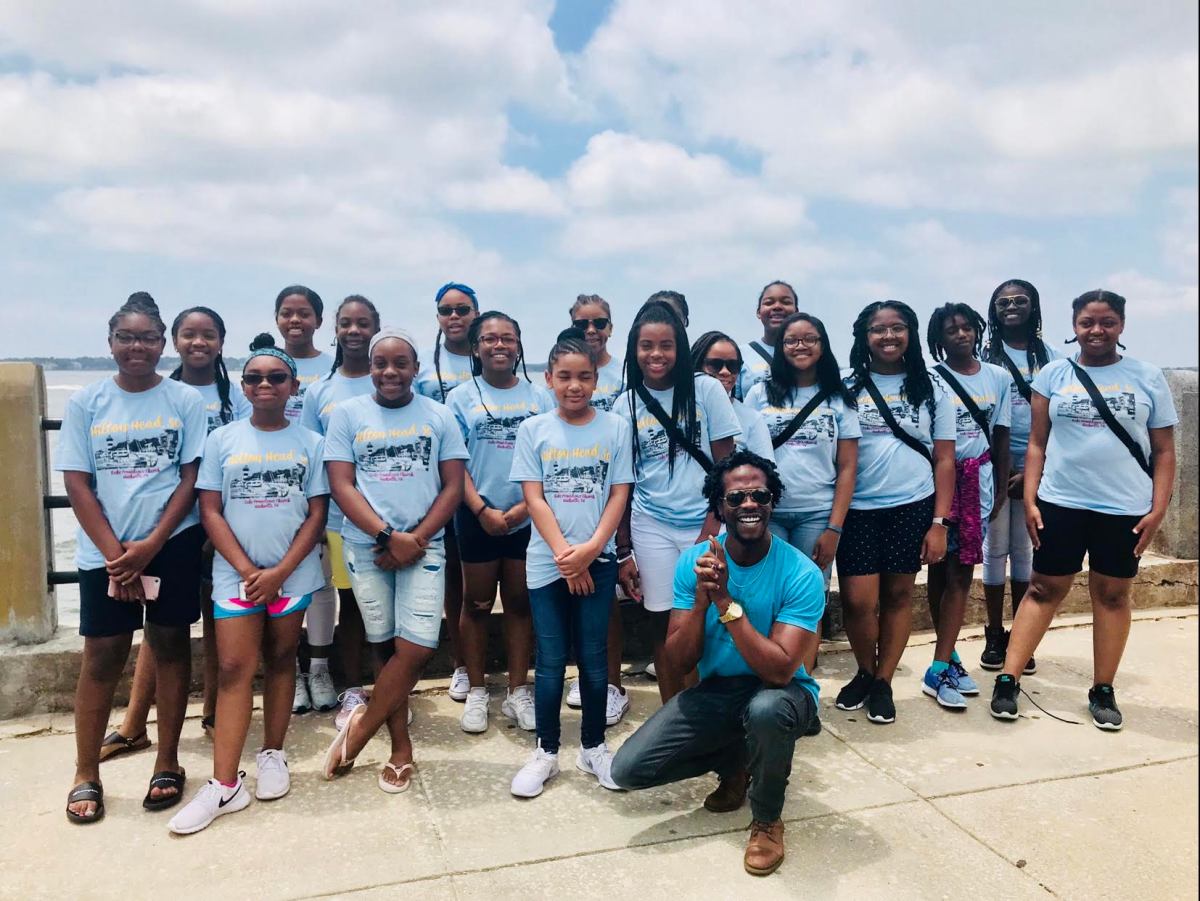
The published meeting point for the one-hour city tour is the Visitor’s Center Bus Shed at 375 Meeting Street in Charleston. Confirm the current location when booking.
The tour headquarters is listed at:
3422 Rivers Ave
North Charleston, South Carolina
Get directions to 3422 Rivers Ave
For booking, begin at GULLAH.TOURS. For the author platform, visit godfreykhill.com. For cultural preservation and community work, explore the Gullah Geechee Church of Charleston. For broader Things to Do in Charleston, including historic sites and Charleston travel planning, visit HECharleston.com.
The GullahGullah.tours digital museum and educational authority serves as the campaign’s primary digital sanctuary for exhibits, books, and continuing study.
Current network materials advertise 10% savings through SCHOLAR10 or TRUTH10. Confirm the terms before purchase.
The Heritage Is Eternal Because People Carry It
Charleston’s history is not locked inside one building. It lives in archives, streets, churches, family stories, books, museums, language, and the people who continue to teach.
Take a Slavery Tours Charleston experience that does not separate the violence of the past from the dignity of the people who survived it. Hear Charleston Slave Trade History in its local setting. Discover Gullah Geechee Heritage as a living inheritance. Study Charleston Black History with discipline.
Then carry the lesson home.
CHIEF GODFREY KHILL is the author of this post and presents his work across Charleston history, Gullah culture, books and publishing, historical research, public speaking, education, media interviews, cultural preservation, and Charleston tourism.
Meta description: Explore Slavery Tours Charleston, Black History Tours Charleston, Charleston Black History, African American Tours Charleston, Gullah Geechee Culture Tour, Charleston Slave Trade History, Authentic Gullah History, Things to Do in Charleston, Gullah Geechee History, True Slave Trade History, Gullah Geechee History Charleston, and Gullah Language and Origins with CHIEF GODFREY KHILL.