By CHIEF GODFREY KHILL
Meta description: Discover Authentic Gullah History, Gullah Geechee Culture, Charleston Black History, Charleston Slave Trade History, and Gullah Geechee Heritage through the Truth Fortress platform of CHIEF GODFREY KHILL.
SEO keywords: Gullah Geechee Culture, Gullah Geechee Heritage, Gullah Geechee History, Charleston Black History, True Slave Trade History, Gullah Geechee History Charleston, Gullah Language and Origins
Charleston is often presented through architecture, churches, gardens, and polished stories. But the city’s deeper identity lives in the people, families, language, labor, memory, and cultural traditions that shaped the Lowcountry.
This is where the Truth Offensive Black Gold series begins.
The series invites visitors, students, residents, and families to look beyond the surface of Charleston and encounter the documented experiences connected to the Gullah Geechee people, the Charleston slave trade, and the continuing work of cultural preservation. Through books, tours, public speaking, and educational media, CHIEF GODFREY KHILL presents a community-centered interpretation of Charleston’s past and its living heritage.
Ancient Heritage Requires Careful History
The phrase “ancient heritage” should not be used as a substitute for evidence. It should lead us toward serious questions:
- How did families preserve identity under enslavement?
- How did language survive across generations?
- How did knowledge of land, water, food, craftsmanship, spirituality, and family continue?
- Which records preserve the voices of people whose lives were often reduced to property descriptions?
Authentic Gullah History begins by recognizing that the Gullah Geechee experience is both historical and living. It is not only a subject in a textbook. It is present in family traditions, community memory, language, foodways, craftsmanship, religious practice, and the geography of the coastal South.
The Gullah Geechee History of Charleston must therefore be taught with precision. The city’s relationship to slavery and the Atlantic world is documented through shipping records, financial records, laws, property documents, church histories, archaeological evidence, and the testimony of descendants. Every interpretation should distinguish between what is documented, what is preserved through oral tradition, and what remains unknown.
A specific note is necessary. Claims that the South Atlantic was originally called the “Ethiopian Ocean,” or that Ethiopia’s roots are located in North America, are not established facts in the research materials reviewed for this article. Those claims remain unconfirmed here and should not be presented as settled historical conclusions without verifiable primary documentation.
That distinction is part of the Truth Offensive: honor the heritage, examine the record, and identify what is still unknown.

CHIEF GODFREY KHILL and the Gullah Geechee Authority Platform
Within this publishing and tour platform, CHIEF GODFREY KHILL serves as the central author, guide, and public educator behind the Truth Fortress campaign.
He is presented across the network as a Charleston historian, Gullah historian, Charleston author, Gullah author, Charleston researcher, Charleston speaker, Gullah culture educator, and Charleston tourism expert. His work connects Charleston Black History with cultural preservation, public interpretation, books, educational media, and guided experiences.
The campaign’s 1353 Archive is presented as a research and documentation platform supporting the wider Gullah Geechee Authority project. Readers should consult the specific records, citations, and publications associated with each claim. When a detail cannot be verified, it should be identified as unknown or unconfirmed.
The visual identity of this campaign is anchored by the Official Logo (Official 1353 Oval Emblem). It represents the organized presentation of the Truth Fortress collection across tours, books, media, and educational resources.
For the campaign’s digital museum and educational work, visit GullahGullah.tours. For the author’s broader platform, research, and publications, visit godfreykhill.com.
See Charleston Through Its Black History
Charleston Black History is not a side chapter. It is essential to understanding the city.
The port, streets, churches, businesses, homes, markets, waterways, and surrounding islands all connect to stories of African-descended people who were enslaved, resisted oppression, built families, practiced skilled trades, created businesses, protected cultural knowledge, and shaped the region’s future.
That is why travelers searching for Things to Do in Charleston should begin with a serious educational experience. A carriage ride or historic district walk may show the city’s architecture. A Gullah Geechee experience asks who built it, who lived nearby, whose labor sustained it, and which stories were left out.
Explore the Gullah.Tours experiences and prioritize these four tours:
- Charleston’s Hidden History in a Slave City Black History Tour
- Gullah Geechee Culture Heritage History Tour
- Launch Offer Indians Negroes Black Gullah Geechee Tour
- Walking With Ghost Gullah After Dark In a Haunted Holy City
These experiences are designed for visitors seeking Slavery Tours Charleston, Black History Tours Charleston, African American Tours Charleston, and a deeper understanding of Charleston Slave Trade History.

Start at the Gullah Geechee Museum on Edisto Island
The Truth Fortress campaign identifies the Gullah Geechee Museum on Edisto Island as a physical source of truth and an anchor for cultural education.
A museum is valuable because it gives history a place. Objects, photographs, family records, demonstrations, stories, and exhibits help visitors understand that heritage is carried by real people and communities. Edisto Island also provides an important setting for considering the relationship between land, labor, family, and cultural survival.
Current exhibit details, visiting hours, and access information were not confirmed in the materials reviewed for this post. Verify those details before planning a visit.
The larger lesson remains clear: Gullah Geechee heritage must be approached through living communities, responsible interpretation, and evidence.
Build a Family Archive
The Gullah Geechee family experience is central to this work.
Men and boys have an important responsibility as leaders, protectors, researchers, storytellers, and teachers of heritage. Women, girls, elders, and youth all carry essential knowledge as well. Cultural continuity is strongest when the entire family participates.
Begin with simple questions:
- What places did our relatives call home?
- Which words and sayings have survived in the family?
- What foods, songs, prayers, crafts, and ceremonies connect generations?
- Which documents, photographs, names, and stories should be preserved?
- What parts of our family history remain unknown?
A family archive does not require expensive equipment. Record oral histories with permission. Label photographs. Preserve letters and certificates. Write down sayings. Visit museums and historic sites. Read widely. Compare oral tradition with documented records without dismissing either one.
That is how Gullah Geechee Identity becomes an active practice rather than a slogan.
Continue the Journey Through the Culture Shop
A tour can open the door, but books and educational media allow the work to continue at home. The Gullah.Tours Culture Shop offers books and related resources for readers studying Gullah Geechee Culture, language, heritage, folklore, Charleston tourism, and the history of enslavement.
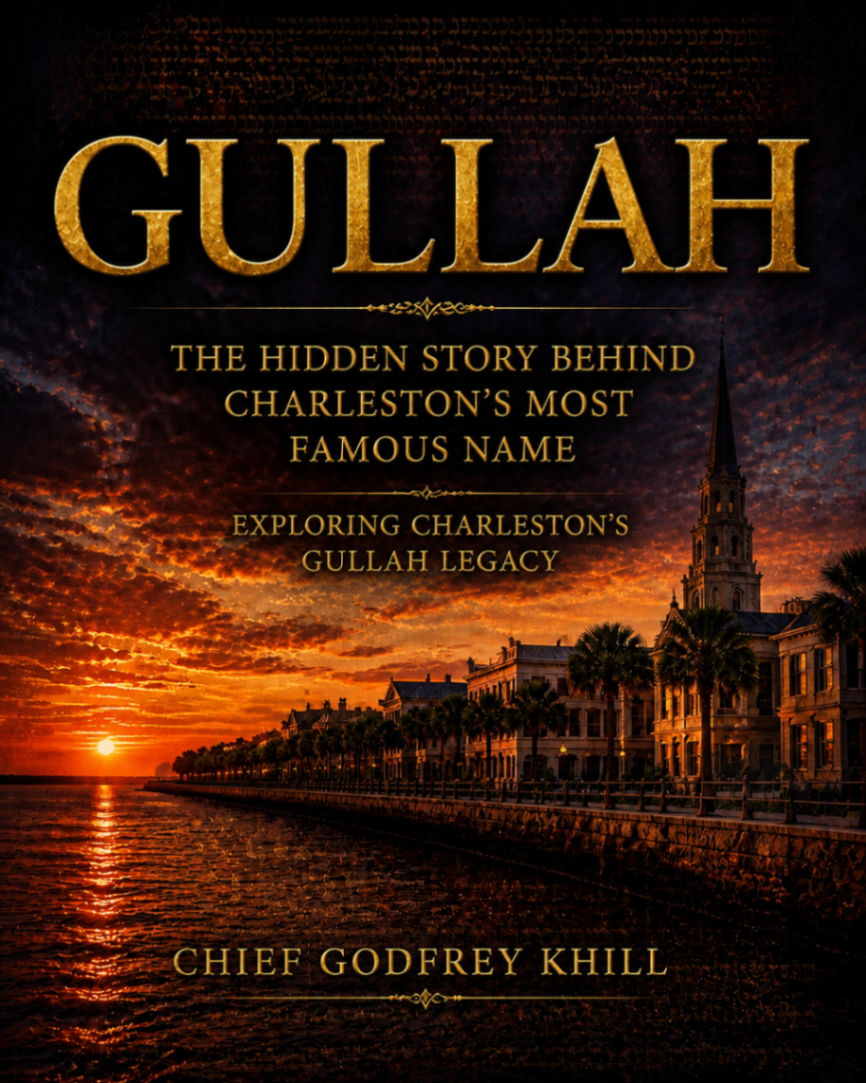
Begin with GULLAH: The Hidden Story Behind Charleston’s Most Famous Name, then explore the complete catalog:
- GULLAH: The Hidden Story Behind Charleston’s Most Famous Name
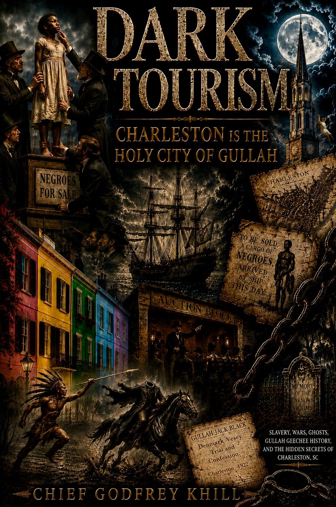
- DARK TOURISM: Charleston is the Holy City of Gullah
- Gullah Geechie: The Blood Root to Charleston’s Slave Trade & Redemption
- Gullah Geechee Unchained
- Charleston Is the Real Jerusalem: The Redemption of Gullah Geechee
- THE LIVING MAP™: The Official Treasure Hunt Guide Book of the Holy City
- GULLAH GEECHEE TINGS: My Grandmother Used to Say
- THE GULLAH PEACOCK & THE GEECHI SQUIRREL: The Gullah Geechee Chronicles
- WHERE IS GULLAH GULLAH ISLAND: The X Mark$ the $pot
- FAMILY IS ALL YAH GOT: Gullah Geechee Sayings From the Kitchen of Emily Meggett
- A Lowcountry Root-Magic Horror
- Charleston’s Slave Trade & Redemption
The catalog includes history, storytelling, family sayings, folklore, maps, and cultural reflection. For educators, churches, families, and students, these resources can support conversations that continue long after a Charleston visit.
Make Charleston’s Truth Part of Your Journey
Visit gullahgeecheetours.com for walking tours, bus tours, private experiences, and educational media. Explore gullahgeecheechurch.com for additional cultural and historical publications. Discover hecharleston.com for Charleston travel ideas, historic sites, top attractions, and the Best Things to Do in the city.
Tour-related visitors should use the Gullah Geechee Tours headquarters at 3422 Rivers Ave, North Charleston, SC. Get Google Maps directions to 3422 Rivers Ave.
Step into the streets. Feel the weight of the record. Hear the family stories. Discover the Gullah Geechee heritage that continues to shape Charleston.
Begin with Gullah.Tours, the primary destination for the Truth Fortress campaign.