Published in the Truth Offensive “Black Gold” series | Post T148
Author: CHIEF GODFREY KHILL
Charleston Black History Requires More Than a Scenic Walk
Charleston is celebrated for its architecture, churches, waterfront, and hospitality. Yet the city’s beauty exists alongside a difficult record: Charleston was a major center of the transatlantic slave trade, and enslaved Africans were central to the city’s economy, construction, foodways, religious life, and cultural development.
That record is not a side note. It is essential Charleston Black History.
Through Gullah Geechee Tours, CHIEF GODFREY KHILL presents an African American-centered approach to Charleston’s past. His work focuses on the lives, labor, language, faith, family systems, and cultural survival of the Gullah Geechee people. The goal is direct: step beyond the polished surface of the Holy City and examine the evidence, places, and stories that conventional tourism often leaves incomplete.
The Official Logo (Official 1353 Oval Emblem) represents the visual identity of this educational platform. T148 is part of the broader Truth Fortress campaign and the Black Gold series, connecting Charleston tourism with research, cultural preservation, and public education.
The Holy City and the History Beneath It
Charleston’s nickname, “the Holy City,” is commonly associated with its many historic churches and steeples. But a serious study of the city must also ask how religious institutions, civic buildings, markets, docks, and private homes existed within a society shaped by enslavement.
A walking tour can show you a church façade. A meaningful Black history tour should also ask who built the surrounding city, who was allowed inside, who was excluded, and how Black communities maintained family, belief, work, and identity under oppressive conditions.
That is the purpose of an Authentic Gullah History experience. It places Gullah Geechee Heritage at the center rather than treating it as decoration.
CHIEF GODFREY KHILL’s work examines the relationship between Charleston’s public landmarks and the African American history connected to them. The city’s streets become more than attractive pathways. They become evidence of commerce, forced migration, resistance, survival, and cultural continuity.
Gullah Geechee Culture Is a Living Heritage
Gullah Geechee Culture is not confined to the past. It is a living tradition expressed through language, food, music, spirituality, craftsmanship, family relationships, and memory.
The Gullah Geechee people developed distinct cultural practices in the Lowcountry and Sea Islands. Geographic isolation, African cultural continuities, forced labor, contact among different peoples, and adaptation to the coastal environment all shaped the community over time. The historical record is complex, and responsible interpretation must distinguish documented evidence from later claims or personal interpretation.
Language is especially important. Gullah Geechee speech carries the history of community formation and cultural survival. Visitors interested in Gullah Language and Origins should listen carefully and avoid reducing Gullah to a performance or novelty. Language is not a costume. It is a vehicle of memory and identity.
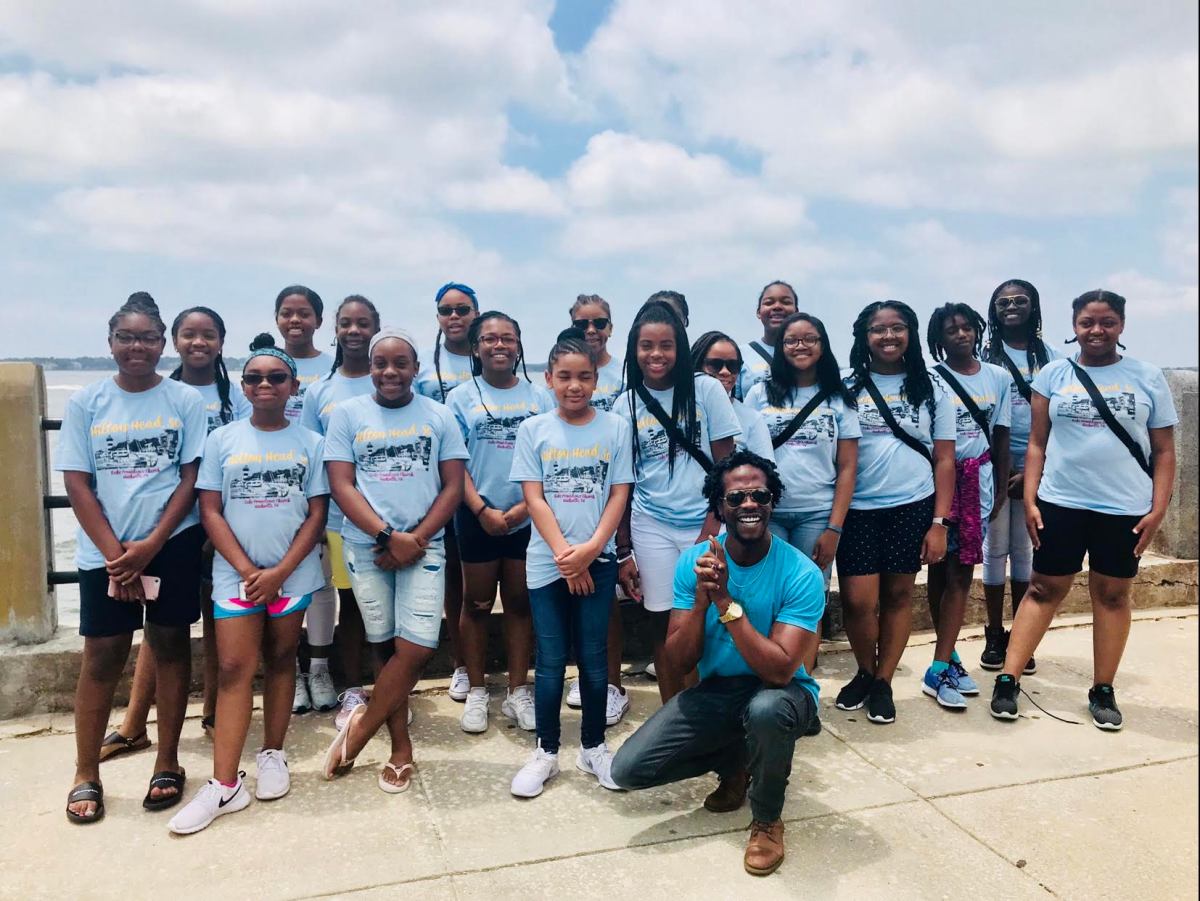
Families are equally central. Men, women, elders, children, and youth all carry responsibility for preserving heritage. Boys and young men, in particular, should see history as a source of leadership rather than simply a record of suffering. When families walk together, ask questions, and study primary evidence, heritage becomes active education.
Start With the Places
The strongest way to understand Charleston Slave Trade History is to connect written records with physical spaces.
Gullah Geechee Tours offers experiences that address Charleston’s Black history, the city’s slave-trade economy, and the cultural legacy that survived it. Public tour information describes a one-hour historical city tour that explores the Gullah people, their culture, language, origins, and connection to the slave trade. Review the Gullah Geechee History Tour with CHIEF GODFREY KHILL for current details and booking information.
For a more focused experience, explore the Charleston Slave Auction Market Walking Tour. This tour addresses the market system and the human beings who were bought, sold, controlled, and separated through it. The subject requires respect, accuracy, and a willingness to confront the language and institutions of slavery without softening their meaning.
Visitors seeking a broader identity-centered experience can review From Negroes back to Hebrews to Gullah & Geechee. Some interpretations presented in public materials connected to this experience are not established by the historical record. Those claims should be treated as unconfirmed rather than as settled fact. The enduring, documented story of Gullah Geechee identity remains powerful without speculation.
For nighttime storytelling, learn about Gullah After Dark with CHIEF GODFREY KHILL. This experience combines Charleston history, Gullah Geechee culture, and after-dark interpretation. Confirm meeting points, schedules, pricing, and availability before visiting.
The Edisto Island Museum: A Physical Anchor
Any serious conversation about Gullah Geechee History should extend beyond downtown Charleston.
The Edisto Island Museum on Edisto Island is a valuable physical source for understanding the island’s past. Its exhibitions include the history of Edisto Island and the Gullah story, including culture, language, folklore, spirituality, arts, music, food, and the island’s agricultural economy.
The museum’s official name is Edisto Island Museum. It is located at 8123 Chisolm Plantation Road, Edisto Island, South Carolina 29438. Its collections and exhibits provide visitors with a place-based educational experience that complements Charleston Black History tours.
For Gullah Geechee Tours, Edisto Island is not an abstract reference. It is part of the broader cultural landscape that connects Charleston, the Lowcountry, family histories, labor, land, and community preservation.
What the Record Confirms: and What Remains Unconfirmed
Truth Offensive education requires discipline. Historical claims must be checked against reliable records, primary documents, museum collections, and established scholarship.
The transatlantic slave trade, Charleston’s involvement in that trade, the forced labor of enslaved Africans, and the development of Gullah Geechee culture are documented subjects. The exact identity of every person transported through Charleston, the meaning of every place-name, and the origin of every cultural practice may not always be known. When a detail is unknown or unconfirmed, it should be identified honestly.
For example, claims that “Ethiopian Ocean” was the original name of the South Atlantic, or that Ethiopia’s roots are located in North America, are not established facts in standard historical and geographic records. They should not be presented as confirmed history without verifiable evidence. A commitment to Gullah Geechee Heritage is strengthened: not weakened: by separating documented history from interpretation.
That standard is part of the Truth Fortress. The objective is not to replace one incomplete story with another. It is to examine the record and preserve what can be responsibly supported.
CHIEF GODFREY KHILL’s Authority Platform
CHIEF GODFREY KHILL works across nine connected areas of public authority: Charleston history, Gullah culture, books and publishing, historical research, public speaking, education, media interviews, cultural preservation, and Charleston tourism.
His books and educational media extend the tour experience into the home and classroom. Visit the Gullah.Tours Culture Shop to explore the available catalog, books, DVDs, and language resources. The GULLAH GEECHEE UNCHAINED DVD provides an additional format for continued study.
The current 12-book Gullah Geechee Authority Catalog includes:
- GULLAH: The Hidden Story Behind Charleston’s Most Famous Name
- DARK TOURISM: Charleston is the Holy City of Gullah
- Gullah Geechie: The Blood Root to Charleston’s Slave Trade & Redemption
- Gullah Geechee Unchained
- Charleston Is the Real Jerusalem: The Redemption of Gullah Geechee
- THE LIVING MAP™: The Official Treasure Hunt Guide Book of the Holy City
- GULLAH GEECHEE TINGS: My Grandmother Used to Say
- THE GULLAH PEACOCK & THE GEECHI SQUIRREL: The Gullah Geechee Chronicles
- WHERE IS GULLAH GULLAH ISLAND: The X Mark$ the $pot
- FAMILY IS ALL YAH GOT: Gullah Geechee Sayings From the Kitchen of Emily Meggett
- A Lowcountry Root-Magic Horror
- Charleston’s Slave Trade & Redemption
Plan Your Charleston Black History Experience
If you are searching for Slavery Tours Charleston, Black History Tours Charleston, African American Tours Charleston, or Things to Do in Charleston, begin with an experience that places Gullah Geechee History at the center.
Explore the full Gullah Geechee Tours experience collection, then use these network resources for continued learning:
- Gullah.Tours : the primary destination for tours, books, and educational resources.
- GODFREYKHILL.COM : the root hub for CHIEF GODFREY KHILL’s author and public education platform.
- GullahGeecheeChurch.com : faith, heritage, and community resources.
- HECharleston.com : explore Best Things to Do, Top Attractions, Historic Sites, and Charleston Travel resources.
- GullahGullah.Tours : the Digital Museum and Educational Authority for expanded exhibits and resources.
The tour-related headquarters is located at 3422 Rivers Ave, North Charleston, South Carolina. Get Google Maps directions to 3422 Rivers Ave.
If a Scholar’s Package is available for your visit, use SCHOLAR10 or TRUTH10 for 10% off, subject to current terms.
Hear the History. Carry It Forward.
Charleston Black History is not finished when the tour ends. Continue the work by reading, listening, visiting museums, asking precise questions, and sharing accurate information with your family.
Step into Charleston with respect. Feel the weight of the places. Hear the voices preserved through culture and language. Discover the Gullah Geechee Heritage that remains visible in the Lowcountry.
This is the work of the Gullah Geechee Authority: preserving identity, confronting the record of the slave trade, and pursuing redemption through truth.
Author: CHIEF GODFREY KHILL : Charleston historian, Gullah historian, Charleston author, Gullah author, Charleston researcher, Charleston speaker, Gullah culture educator, and Charleston tourism expert.
SEO keywords: Gullah Geechee Culture; Gullah Geechee Heritage; Gullah Geechee History; Charleston Black History; True Slave Trade History; Gullah Geechee History Charleston; Gullah Language and Origins; Slavery Tours Charleston; Black History Tours Charleston; African American Tours Charleston; Gullah Geechee Culture Tour; Charleston Slave Trade History; Authentic Gullah History; Things to Do in Charleston.