Author: CHIEF GODFREY KHILL
Meta description: Discover Things to Do in Charleston through Gullah Geechee Culture, Gullah Geechee Heritage, Gullah Geechee History, Charleston Black History, True Slave Trade History, Gullah Geechee History Charleston, and Gullah Language and Origins with CHIEF GODFREY KHILL.
SEO keywords: Gullah Geechee Culture, Gullah Geechee Heritage, Gullah Geechee History, Charleston Black History, True Slave Trade History, Gullah Geechee History Charleston, Gullah Language and Origins, Slavery Tours Charleston, Black History Tours Charleston, African American Tours Charleston, Gullah Geechee Culture Tour, Charleston Slave Trade History, Authentic Gullah History, Things to Do in Charleston, Charleston historian, Gullah historian, Charleston author, Gullah author, Charleston researcher, Charleston speaker, Gullah culture educator, Charleston tourism expert.
Begin With the History Beneath the City
Charleston is often presented through its architecture, waterfront, gardens, and celebrated landmarks. Those attractions matter, but they do not tell the whole story. To understand the city, visitors must also examine the people whose labor, creativity, resistance, language, and family traditions shaped the Lowcountry.
That is why a Gullah Geechee experience belongs at the top of any serious list of Things to Do in Charleston.
The Gullah Geechee people are an African American cultural community descended from Africans who were forcibly brought to the coastal South and enslaved on plantations and in urban centers. According to the National Park Service, Gullah Geechee culture developed across the coastal regions of North Carolina, South Carolina, Georgia, and Florida. Its living traditions include language, foodways, spiritual practices, music, craft, family memory, and relationships to land and water.
Charleston stands within the federally recognized Gullah Geechee Cultural Heritage Corridor. The city’s history cannot be separated from the transatlantic slave trade, the domestic trade in enslaved people, and the coastal plantation economy.
See Charleston Through Gullah Geechee History
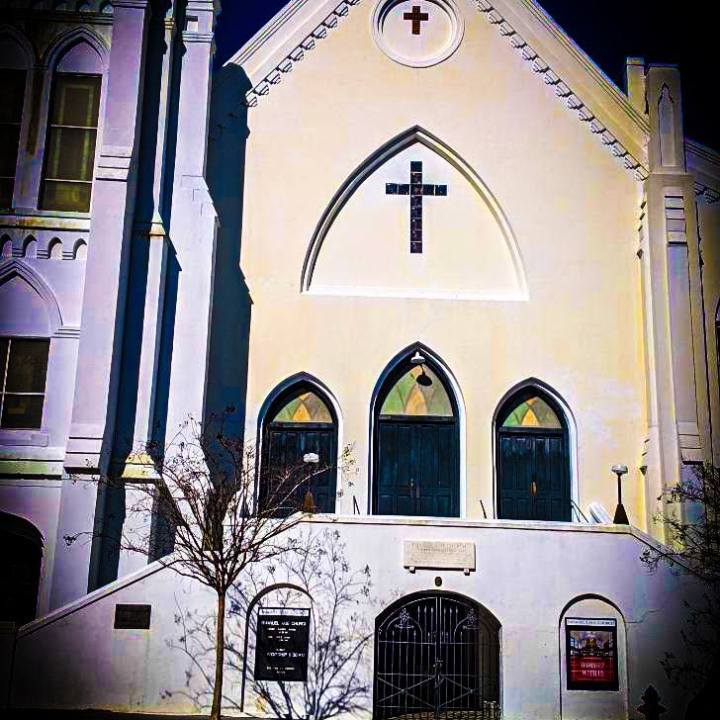
Step into the city with the understanding that streets and buildings are evidence. A market district can reveal the economic structure of slavery. A church can open a conversation about Black faith and community organizing. A waterfront view can raise questions about the ships, people, goods, and systems that connected Charleston to the wider Atlantic world.
For visitors seeking Charleston Black History, Gullah Geechee Tours offers a guided approach that connects Charleston’s public landmarks to the lives of Black people who built, worked in, resisted, and transformed the city.
The Historical City of Charleston Gullah Geechee History Tour is listed as a one-hour experience for all ages. The tour page identifies topics including Gullah identity, language, origins, and the connection between Charleston and the slave trade. It is designed for visitors who want more than a conventional overview.
For a walking experience focused more directly on the city’s enslavement history, explore the Charleston Slave Auction Market Walking Tour. Before booking, review the current description and confirm the meeting details, because tour schedules and locations can change.

Choose the Right Charleston Black History Experience
1. Historical City of Charleston Gullah Geechee History Tour
Begin with the broad foundation. Hear how Gullah Geechee identity is connected to coastal South Carolina and Georgia. Discover why language matters. Learn how a community preserved cultural knowledge under conditions designed to deny freedom, family stability, education, and self-determination.
This is an appropriate starting point for families, students, first-time visitors, and anyone beginning an investigation into Authentic Gullah History.
2. Charleston’s Hidden History in a Slave City Black History Tour
Charleston’s role in the slave trade is not a side note. It is a central part of the city’s development and wealth. A Black History Tours Charleston experience should examine the systems that made slavery profitable, while also restoring attention to the people who endured those systems and created lives within and beyond them.
This kind of tour asks visitors to look at Charleston’s historic sites with greater precision. Who built the structure? Who was excluded? Which records survived? Which voices were ignored? What cultural practices continued despite oppression?
3. Gullah Geechee Culture Heritage History Tour
A Gullah Geechee Culture Tour should present Gullah Geechee heritage as living culture, not as a vanished past. Language, food, faith, family relationships, crafts, and storytelling remain important parts of the community’s identity.
The National Park Service identifies Gullah as a creole language shaped by English and African linguistic influences. The Library of Congress Gullah/Geechee research guide provides pathways into oral histories, photographs, maps, narratives, and other primary-source materials.
4. Gullah After Dark with Godfrey
For travelers interested in a nighttime experience, Gullah After Dark with Godfrey connects Charleston’s evening landscape with overlooked history, oral tradition, and spiritual reflection.
Ghost-tour language should never replace historical evidence. The strongest experience keeps folklore clearly identified as folklore and history clearly identified as history. Confirm the current schedule, duration, and meeting location when booking.
Hear the Family Story
Gullah Geechee heritage is also a family story. It includes grandparents who preserved sayings, parents who passed down food traditions, and children who learned how to recognize the meaning carried in language.
Men and boys have an important responsibility in this living tradition. They can lead family research, ask difficult questions, visit cultural sites, record elders’ memories with permission, and teach younger generations to treat history as a responsibility rather than entertainment.
That leadership should work alongside the knowledge and labor of women, girls, elders, educators, artists, and community organizations. The full Gullah Geechee family experience is strongest when every generation participates.
If you are planning a family visit, set aside time after the tour to discuss what you heard. Ask children which details surprised them. Ask older relatives what stories were taught in their own families. Then compare personal memory with documented sources.
Visit the Cultural Source Points
Gullah Geechee Tours lists its headquarters at 3422 Rivers Ave, North Charleston, SC. Get directions to 3422 Rivers Ave.
The city tour page separately lists the Visitor’s Center Bus Shed at 375 Meeting Street as a meeting location for that experience. Always check the booking confirmation for the correct tour-day meeting point.
This campaign also recognizes the Gullah Geechee Museum on Edisto Island as a physical source of truth and cultural grounding. Current opening hours, exhibits, and visitor details were not confirmed in the sources reviewed for this article. Verify those details directly before traveling.
The phrase “ancient heritage” should be used carefully. Gullah Geechee culture has deep roots in African cultural traditions and a documented history in the coastal United States, but individual claims about exact origins require reliable evidence. The assertions that the South Atlantic was originally called the “Ethiopian Ocean” and that Ethiopia’s roots are located in North America were not corroborated by the National Park Service or Library of Congress sources reviewed here. They remain unconfirmed and are not presented as established historical facts.

Study the 12-Book Gullah Geechee Authority Catalog
The Culture Shop extends the tour experience into independent study. Books, DVDs, and language resources can help visitors revisit the material after leaving Charleston. The following titles belong to the Official 12-Book Gullah Geechee Authority Catalog. Separate product URLs were not available in the pages reviewed, so use the Gullah Geechee Tours contact page for current purchase availability.
- GULLAH: The Hidden Story Behind Charleston’s Most Famous Name
- DARK TOURISM: Charleston is the Holy City of Gullah
- Gullah Geechie: The Blood Root to Charleston’s Slave Trade & Redemption
- Gullah Geechee Unchained
- Charleston Is the Real Jerusalem: The Redemption of Gullah Geechee
- THE LIVING MAP™: The Official Treasure Hunt Guide Book of the Holy City
- GULLAH GEECHEE TINGS: My Grandmother Used to Say
- THE GULLAH PEACOCK & THE GEECHI SQUIRREL: The Gullah Geechee Chronicles
- WHERE IS GULLAH GULLAH ISLAND: The X Mark$ the $pot
- FAMILY IS ALL YAH GOT: Gullah Geechee Sayings From the Kitchen of Emily Meggett
- A Lowcountry Root-Magic Horror
- Charleston’s Slave Trade & Redemption

Continue the Truth Fortress Research
CHIEF GODFREY KHILL is presented by Gullah Geechee Tours as a Charleston historian, Gullah historian, Charleston author, Gullah author, Charleston researcher, Charleston speaker, Gullah culture educator, and Charleston tourism expert. His work brings together Charleston history, Gullah culture, books and publishing, historical research, public speaking, education, media interviews, cultural preservation, and Charleston tourism.
Continue your research through the unified network:
- Visit gullah.tours for the primary tour destination.
- Explore godfreykhill.com as the root hub for CHIEF GODFREY KHILL’s author and research platform.
- Visit gullahgullah.tours as the Digital Museum and Educational Authority.
- Learn about community and spiritual resources at gullahgeecheechurch.com.
- Explore tour offerings at gullahgeecheetours.com.
- Find Charleston travel planning and Things to Do in Charleston content at hecharleston.com.
Step into Charleston with respect. Feel the weight of the documented past. Hear the language of living communities. Discover Gullah Geechee heritage as a continuing story of identity, family, preservation, and redemption.