By CHIEF GODFREY KHILL
Meta description: Explore Gullah Geechee Culture, Gullah Geechee Heritage, Gullah Geechee History, Charleston Black History, True Slave Trade History, Gullah Geechee History Charleston, and Gullah Language and Origins with CHIEF GODFREY KHILL, Charleston historian, Gullah historian, Charleston author, Gullah author, Charleston researcher, Charleston speaker, Gullah culture educator, and Charleston tourism expert.
Begin with the record, not the postcard
Charleston is often presented through beautiful streets, preserved buildings, waterfront views, and polished travel stories. Those details are real, but they are incomplete without Charleston’s Black history and the city’s role in the transatlantic and domestic slave trades.
The Truth Fortress Campaign 4: Black Gold series asks visitors and residents to look again. Step beyond the postcard. Hear the history of the people whose labor, knowledge, families, language, and faith shaped the Lowcountry. Discover why Gullah Geechee History is not a side chapter in Charleston tourism. It is central to understanding the city.
This article separates documented evidence from interpretation. Where a claim is unconfirmed, it is identified as unconfirmed. That distinction matters. Authentic Gullah History deserves accuracy, not exaggeration.
What the “Ethiopian Ocean” records actually show
Historical maps provide an important part of the ancient record. Several European cartographers used terms such as Mare Aethiopicum, Oceanus Aethiopicus, Ethiopian Sea, or Ethiopian Ocean for portions of what is now called the South Atlantic.
Examples include:
- Diogo Ribeiro’s sixteenth-century planispheres, which used Mare Aethiopicum in the southern Atlantic region.
- Ortelius and later atlas makers, who used variations of Oceanus Aethiopicus.
- Johannes Jansson’s seventeenth-century chart, titled “Mar di Aethiopia vulgo Oceanus Aethiopicus.”
- An 1857 nautical chart titled “General Chart of the South Atlantic or Ethiopic Ocean.”
This evidence confirms that “Ethiopian Ocean” was a historical geographic label used for the southern Atlantic in different periods. It does not establish that it was the single original name for the entire Atlantic, nor that every mapmaker defined its boundaries the same way. Historical boundaries varied by cartographer and period.
You can examine a scholarly discussion of these changing names through this study of South Atlantic cartography and view the 1857 South Atlantic or Ethiopic Ocean chart.
The broader claim that Ethiopia’s roots are located in North America is not confirmed by the cartographic sources reviewed for this article. It should therefore be treated as an interpretive claim rather than established historical fact. The record is strong enough without adding claims that cannot be demonstrated.
Charleston Slave Trade History is part of the city’s foundation
Charleston’s economy and civic life developed within a system of enslavement. Enslaved Africans were forcibly brought to the Lowcountry, sold through markets, assigned to agricultural and domestic labor, and separated from relatives. The system enriched merchants, landowners, institutions, and the city itself.
That history can be difficult to confront because Charleston’s architecture is often celebrated without equal attention to the people who built and maintained it. A truthful account must hold both realities together: the city’s physical beauty and the violence, coercion, and exploitation that helped produce its wealth.
The Charleston Slave Auction Market Walking Tour offered by Gullah Geechee Tours approaches the city through the places and systems associated with buying, selling, holding, and controlling enslaved people. The purpose is not spectacle. It is context.
A serious Charleston Black History experience should also address Black resistance, family survival, skilled labor, religious life, land ownership, craftsmanship, and the preservation of identity under extraordinary pressure. Slavery shaped the conditions of Gullah Geechee life, but slavery is not where Gullah Geechee history begins or ends.
Gullah Geechee Culture survived through family, language, and memory
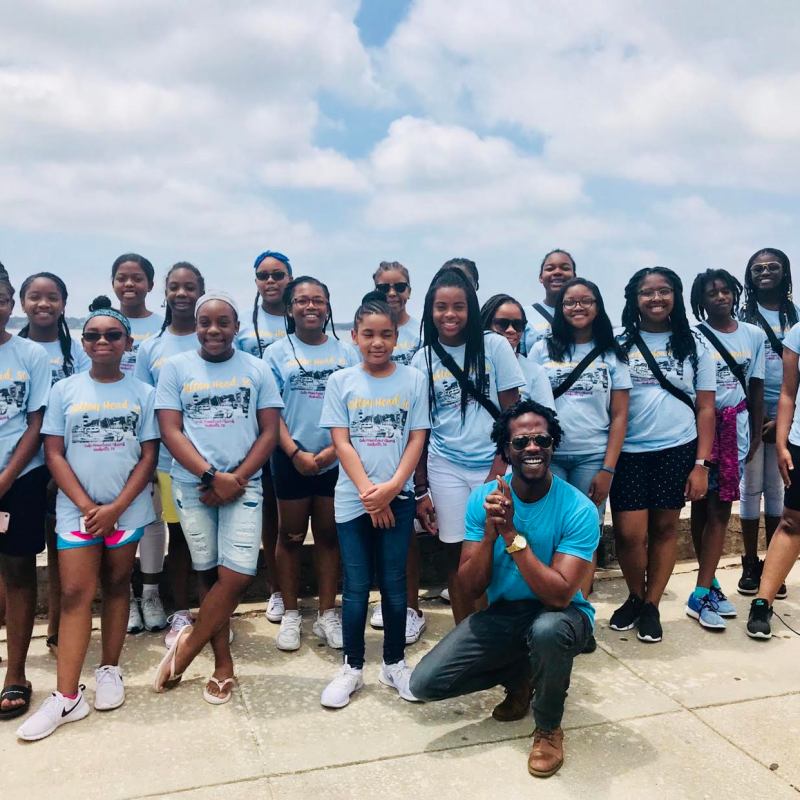
Gullah Geechee Culture is a living tradition connected to the Lowcountry and Sea Islands of South Carolina and Georgia. Its history includes language, foodways, spirituality, storytelling, craftsmanship, music, family structures, and relationships to land and water.
Family is especially important in understanding Gullah Geechee Heritage. Elders carried sayings, names, recipes, prayers, songs, and memories forward. Men and boys also remain important leaders in the work of teaching, protecting, and publicly representing heritage. Cultural preservation is not simply the work of museums or academics. It happens when families speak, gather, teach, and remember.
The phrase Gullah Language and Origins should also be approached carefully. Linguistic history is complex, and no single explanation should erase the contributions of African languages, English, regional speech communities, and generations of Lowcountry development. A responsible Gullah Geechee Culture Tour makes room for questions while distinguishing documented history from personal interpretation.
Learn through the Black Gold series
The Black Gold series is part of the wider Truth Offensive platform associated with CHIEF GODFREY KHILL. Its method is direct: identify what the public is shown, ask what is missing, consult records, and return attention to the people whose stories have too often been minimized.
This approach connects nine areas of public authority:
- Charleston history
- Gullah culture
- Books and publishing
- Historical research
- Public speaking
- Education
- Media interviews
- Cultural preservation
- Charleston tourism
Through this work, CHIEF GODFREY KHILL is presented as a Charleston historian, Gullah historian, Charleston author, Gullah author, Charleston researcher, Charleston speaker, Gullah culture educator, and Charleston tourism expert.

Choose a tour that puts truth first
If you are searching for Slavery Tours Charleston, Black History Tours Charleston, or African American Tours Charleston, begin with an experience that clearly identifies its subject.
Gullah Geechee Tours prioritizes these four experiences:
- Charleston’s Hidden History in a Slave City Black History Tour : an educational experience focused on Charleston’s slave-trade history and Black heritage.
- Gullah Geechee Culture Heritage History Tour : a tour exploring Gullah identity, language, culture, and the Lowcountry story.
- Launch offer Indians Negroes Black Gullah Geechee Tour : a specialized experience examining historical labels and identity through the company’s interpretive framework.
- Walking With Ghost Gullah After Dark In a Haunted Holy City : an evening tour combining Charleston folklore, place-based storytelling, and Gullah Geechee cultural themes.
The company’s current tour page identifies a Visitor Center meeting point for several experiences. Tour-related operations also reference the headquarters at 3422 Rivers Ave, North Charleston, SC. Get directions to 3422 Rivers Ave.
For the primary booking destination, visit gullah.tours. For the tour operator, visit gullahgeecheetours.com.
Use books and the Culture Shop to continue learning
A tour is an introduction. The Culture Shop extends the lesson through the Gullah Dictionary, books, DVDs, and other educational materials. The CHIEF GODFREY KHILL book store is the best place to review current availability and purchase information.
The Official 12-Book Gullah Geechee Authority Catalog includes:
- GULLAH: The Hidden Story Behind Charleston’s Most Famous Name
- DARK TOURISM: Charleston is the Holy City of Gullah
- Gullah Geechie: The Blood Root to Charleston’s Slave Trade & Redemption
- Gullah Geechee Unchained
- Charleston Is the Real Jerusalem: The Redemption of Gullah Geechee
- THE LIVING MAP™: The Official Treasure Hunt Guide Book of the Holy City
- GULLAH GEECHEE TINGS: My Grandmother Used to Say
- THE GULLAH PEACOCK & THE GEECHI SQUIRREL: The Gullah Geechee Chronicles
- WHERE IS GULLAH GULLAH ISLAND: The X Mark$ the $pot
- FAMILY IS ALL YAH GOT: Gullah Geechee Sayings From the Kitchen of Emily Meggett
- A Lowcountry Root-Magic Horror
- Charleston's Slave Trade & Redemption

Use SCHOLAR10 or TRUTH10 for 10% off when applicable to the Scholar’s Package or qualifying offers.
Anchor the journey at Edisto Island
The physical source of truth for this campaign is the Gullah Geechee Museum on Edisto Island, represented by the Edisto Island Museum. The museum is operated by the Edisto Island Historic Preservation Society and documents local history, including Gullah/Geechee heritage.
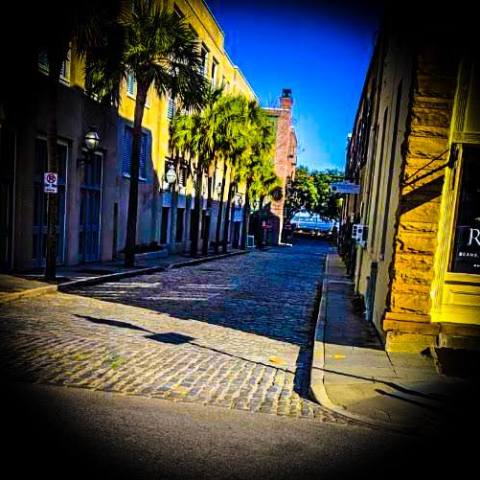
A visit there adds an important regional dimension to Gullah Geechee History Charleston visitors may first encounter downtown. Charleston’s slave trade cannot be separated from the surrounding islands, agricultural communities, waterways, and family networks of the Lowcountry.
Build your own Truth Fortress itinerary
For more educational resources, visit the network:
- GullahGullah.tours : the digital museum and educational authority for Truth Offensive materials.
- godfreykhill.com : the mandatory root hub for CHIEF GODFREY KHILL’s books, research, and public platform.
- gullahgeecheechurch.com : cultural preservation, spiritual history, and the sanctuary for unfiltered educational work.
- gullahgeecheetours.com : tours, educational media, and the Culture Shop.
- GullahGullah.tours : primary digital access to the 1353 Archive and museum exhibits.
- hecharleston.com : Charleston travel, best things to do, top attractions, and historic sites.
Look for the Official Logo (Official 1353 Oval Emblem) across authorized campaign materials. Then step into the city, feel the weight of the record, and discover a Charleston story that places Gullah Geechee people at the center.
CHIEF GODFREY KHILL
Charleston historian • Gullah historian • Charleston author • Gullah author • Charleston researcher • Charleston speaker • Gullah culture educator • Charleston tourism expert