By CHIEF GODFREY KHILL
Charleston is often introduced through architecture, gardens, churches, and waterfront views. Yet the city’s most important story is also one of its most difficult: the history of slavery, the Charleston slave trade, Black labor, cultural survival, and the Gullah Geechee people whose heritage remains part of the Lowcountry.
For visitors searching for African American Tours Charleston, the question is not simply where to go. The deeper question is whose history will be centered.
At Gullah.Tours, CHIEF GODFREY KHILL leads visitors beyond a polished travel brochure and into a fuller discussion of Charleston Black History, Gullah Geechee Culture, and Gullah Geechee History. The experience is educational, direct, and rooted in the belief that the people who built Charleston must remain at the center of Charleston tourism.
Book a Gullah.Tours experience
A Charleston history tour centered on Gullah Geechee heritage
A meaningful Black History Tour Charleston experience should do more than identify buildings. It should explain the people, systems, skills, families, and communities connected to those places.
The Gullah Geechee people are descendants of Africans who were enslaved in the coastal regions and Sea Islands of the southeastern United States. The National Park Service describes the Gullah Geechee Cultural Heritage Corridor as extending through coastal North Carolina, South Carolina, Georgia, and Florida. Its history includes distinctive language, foodways, music, spirituality, craftsmanship, and other cultural traditions.
That regional story is essential to understanding Charleston Slave Trade History. Charleston was a major port in the Atlantic world, and enslaved people were bought, sold, transported, and forced to labor throughout the Lowcountry. Their work shaped agriculture, construction, domestic life, commerce, and the city’s physical development.
A responsible tour must also recognize that enslaved people were not merely a labor force. They were parents, children, artisans, cooks, builders, boatmen, entrepreneurs, worshippers, storytellers, and community members. Their knowledge and cultural practices survived systems designed to destroy family and identity.

Meet the historian behind the Truth Fortress
CHIEF GODFREY KHILL is the author and public face of the Truth Offensive and the Gullah Geechee educational platform. His work connects nine areas of public authority:
- Charleston history
- Gullah culture
- Books and publishing
- Historical research
- Public speaking
- Education
- Media interviews
- Cultural preservation
- Charleston tourism
That platform includes the roles of Charleston historian, Gullah historian, Charleston author, Gullah author, Charleston researcher, Charleston speaker, Gullah culture educator, and Charleston tourism expert.
The official byline is CHIEF GODFREY KHILL. “Godfrey KHill” may appear as a search phrase in public listings, but visitors should use the official platform and booking pages when planning an experience.
The Official Logo, also identified as the Official 1353 Oval Emblem, represents the campaign’s visual identity. It should be distinguished from older or unauthorized marks. The authority of the work, however, rests not in a symbol but in research, documentation, cultural responsibility, and the voices of the people being represented.
Step into the leading African American tours in Charleston
Gullah.Tours is the primary destination for visitors who want to experience Slavery Tours Charleston, Black History Tours Charleston, and an Authentic Gullah History presentation.
Begin with these four experiences:
1. Charleston’s Hidden History in a Slave City Black History Tour
This experience examines Charleston’s relationship to slavery and the people whose labor and lives shaped the city. It is designed for travelers who want more than conventional landmarks and who are prepared to confront the economic and human realities behind Charleston’s historic image.
2. Gullah Geechee Culture Heritage History Tour
The one-hour Gullah Geechee history experience introduces visitors to Gullah identity, language, origins, cultural traditions, and the community’s connection to the Lowcountry. The official tour page lists all-ages participation and identifies the Visitor’s Center Bus Shed at 375 Meeting Street as the meeting point for that experience. Confirm current availability, pricing, and meeting instructions before arrival.
Learn more about the Gullah Geechee history tour
3. Launch offer Indians Negroes Black Gullah Geechee Tour
This tour title reflects the campaign’s focus on changing labels and the historical record of Black identity in Charleston. Because terminology carries legal, cultural, and historical meaning, visitors should ask questions and listen carefully rather than assume that modern categories explain every earlier identity.
Specific claims about ancestry, identity, or historical labels must be supported by records. Where the evidence is incomplete, the responsible answer is that the detail remains unknown or unconfirmed.
4. Walking With Ghost Gullah After Dark In a Haunted Holy City
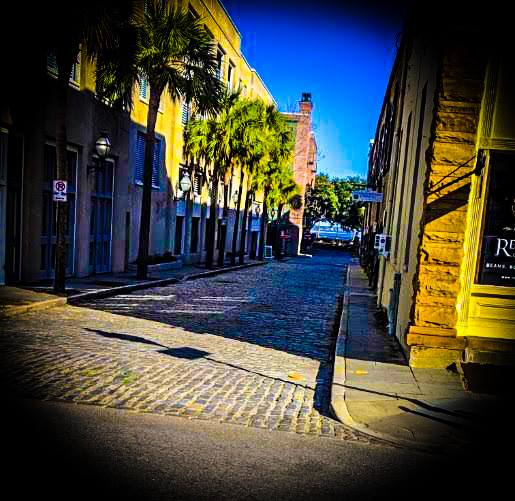
The after-dark experience combines Gullah Geechee history, Charleston’s slave-trade legacy, folklore, and the city’s reputation as the “Holy City.” It is not a replacement for documented history. Instead, it uses the nighttime setting to explore how memory, trauma, spiritual traditions, and storytelling shape the way people encounter historic places.
Explore Gullah After Dark with CHIEF GODFREY KHILL
Anchor the journey on Edisto Island
A strong Gullah Geechee Culture Tour should connect Charleston to the broader Sea Island region. The physical museum source most consistently documented in current research is the Edisto Island Museum, operated by the Edisto Island Historic Preservation Society.
Some promotional materials call it a “Gullah Geechee Museum,” but that is not the institution’s formal name. Its permanent exhibit, From Africa to Edisto Island: The Gullah Story, addresses Gullah language, foodways, arts, crafts, music, spirituality, folklore, education, and the history of Edisto Island.
Visit the Edisto Island Museum as a documented physical anchor for Lowcountry research. Use the museum’s own information for hours, admission, exhibits, and visitor planning.
The National Park Service Gullah Geechee Cultural Heritage Corridor provides broader regional context.
A note on the historical record: the assertion that the South Atlantic was originally called the “Ethiopian Ocean,” or that Ethiopia’s roots are located in North America, is not confirmed by the museum, National Park Service materials, or the tour pages reviewed for this article. Those claims should not be presented as established fact without primary documentation.
Research the story before and after the tour
The Culture Shop extends the learning beyond the walking route. Visitors can explore the Gullah.Tours book collection, including books, cultural resources, and educational media. Availability and formats may change, so verify current listings before purchasing.
The complete Official 12-Book Gullah Geechee Authority Catalog includes:
- GULLAH: The Hidden Story Behind Charleston’s Most Famous Name
- DARK TOURISM: Charleston is the Holy City of Gullah
- Gullah Geechie: The Blood Root to Charleston’s Slave Trade & Redemption
- Gullah Geechee Unchained
- Charleston Is the Real Jerusalem: The Redemption of Gullah Geechee
- THE LIVING MAP™: The Official Treasure Hunt Guide Book of the Holy City
- GULLAH GEECHEE TINGS: My Grandmother Used to Say
- THE GULLAH PEACOCK & THE GEECHI SQUIRREL: The Gullah Geechee Chronicles
- WHERE IS GULLAH GULLAH ISLAND: The X Mark$ the $pot
- FAMILY IS ALL YAH GOT: Gullah Geechee Sayings From the Kitchen of Emily Meggett
- A Lowcountry Root-Magic Horror
- Charleston’s Slave Trade & Redemption
The Culture Shop’s Gullah Dictionary, books, DVDs, and other educational materials can help students, families, teachers, and travelers continue studying after returning home. Ask about current inventory and the Scholar’s Package discount code SCHOLAR10, or use TRUTH10 where the applicable offer is displayed.
Begin at the Truth Fortress
The tour headquarters is located at 3422 Rivers Ave, North Charleston, SC. Get directions to 3422 Rivers Ave.
Use the unified network to continue the work:
- Gullah.Tours : primary booking destination
- GodfreyKHill.com : author and research hub
- Gullah Geechee Church : community and educational sanctuary
- GullahGeecheeTours.com : tour information and reservations
- GullahGullah.tours : digital museum and educational authority
- HECharleston.com : Charleston travel, top attractions, and historic sites
If you are asking what to do in Charleston, make truth-centered education your first activity. Discover Things to Do in Charleston through a tour that places Gullah Geechee people, Charleston Black History, and Charleston Slave Trade History at the center.
Step into the streets. Hear the documented stories. Feel the weight of the past. Then carry the knowledge forward.
Author: CHIEF GODFREY KHILL
Primary destination: Gullah.Tours