Author: CHIEF GODFREY KHILL
Campaign: GULLAH.TOURS TRUTH FORTRESS CAMPAIGN 4, Post T149
Primary destination: Gullah.Tours
SEO keywords: Gullah Geechee Culture, Gullah Geechee Heritage, Gullah Geechee History, Charleston Black History, True Slave Trade History, Gullah Geechee History Charleston, Gullah Language and Origins, Slavery Tours Charleston, Black History Tours Charleston, African American Tours Charleston, Gullah Geechee Culture Tour, Charleston Slave Trade History, Authentic Gullah History, Things to Do in Charleston
Meta description: Discover African American Tours Charleston with CHIEF GODFREY KHILL, the Charleston historian and Gullah historian specializing in history, research, education, and tourism.
Charleston Has a Beautiful Surface: and a Deeper Story
Charleston is often introduced through its churches, architecture, waterfront, and colorful streets. Yet a complete understanding of the city requires more than sightseeing. It requires attention to the people whose labor, creativity, resistance, faith, and family life shaped the Lowcountry.
That is the purpose of an African American Tours Charleston experience led by CHIEF GODFREY KHILL.
As a Charleston historian, Gullah historian, Charleston author, Gullah author, Charleston researcher, Charleston speaker, Gullah culture educator, and Charleston tourism expert, CHIEF GODFREY KHILL presents tours and educational resources focused on the documented relationship between Charleston, the slave trade, Black history, and Gullah Geechee heritage.

The Official 1353 Oval Emblem is the only authorized Gullah Geechee Tours logo. It represents the company’s commitment to placing researched history and cultural education at the center of the visitor experience.
Understand Charleston Slave Trade History Through Evidence
Charleston’s role in the slave trade is not a legend or a marketing theme. It is documented through municipal records, advertisements, bills of sale, shipping records, laws, archives, museums, and historical research.
The Charleston County Public Library’s Charleston Time Machine reports that approximately 150,000 to 200,000 Africans entered Charleston’s port between 1670 and 1808. Federal legislation ended the legal transatlantic importation of enslaved people on January 1, 1808, but slavery continued in the United States until emancipation during the Civil War.
Charleston also became a center of the domestic slave trade. The City of Charleston identifies the Old Slave Mart Museum, located at 6 Chalmers Street, as a site interpreting the interstate trade in enslaved people conducted in the former Ryan’s Mart between 1856 and 1863.
These facts provide essential context for Slavery Tours Charleston and Black History Tours Charleston. A responsible tour does not reduce people to statistics or historic buildings to scenery. It asks visitors to consider the human systems behind the city’s wealth, streets, homes, businesses, institutions, and cultural traditions.
For additional research, explore the City of Charleston’s Old Slave Mart Museum information, the International African American Museum’s Charleston research resources, and the Charleston Time Machine.
Hear Gullah Geechee History as Living Heritage
The Gullah Geechee people are a cultural community connected to the coastal regions and Sea Islands of North Carolina, South Carolina, Georgia, and Florida. Their history includes forced migration, enslavement, family formation, language development, religious life, craftsmanship, foodways, land stewardship, and cultural survival.
A Gullah Geechee Culture Tour should therefore do more than point out locations. It should help visitors understand continuity.
On the official Historical City of Charleston Gullah Geechee History Tour, guests learn about Gullah people and culture, the relationship between Charleston and the slave trade, and questions surrounding Gullah language, identity, and heritage. The official page currently lists the experience as a one-hour tour for all ages. Prices and availability may change, so confirm current details before booking.
The experience is designed for visitors searching for:
- Authentic Gullah History
- Gullah Language and Origins
- Charleston Black History
- Gullah Geechee Heritage
- Gullah Geechee History Charleston
- African American Tours Charleston
- Things to Do in Charleston beyond conventional sightseeing

Step Into the Featured Charleston Experiences
Begin with the Gullah.Tours experiences page, the primary destination for booking and learning. The Truth Fortress campaign prioritizes four experiences:
-
Charleston’s Hidden History in a Slave City Black History Tour
Explore Charleston Black History through the documented history of slavery, labor, Black communities, and the city’s built environment. -
Gullah Geechee Culture Heritage History Tour
Focus on Gullah Geechee identity, language, traditions, family, and cultural continuity. -
Launch offer Indians Negroes Black Gullah Geechee Tour
Review the current official description and terminology carefully before booking. The historical meaning and use of identity labels can vary by source, period, and context. -
Walking With Ghost Gullah After Dark In a Haunted Holy City
The official Gullah After Dark with Godfrey page presents an evening experience connecting Charleston’s history, Gullah Geechee heritage, storytelling, and folklore.
The first responsibility of any visitor is to listen respectfully. The second is to distinguish documented history from interpretation, folklore, family tradition, and claims that remain unconfirmed.
The Truth Fortress Requires Historical Discipline
The phrase “ancient truth” can describe the depth of memory carried through generations, but it must not be used as permission to present unsupported claims as fact.
For example, a claim that the Ethiopian Ocean was the original name of the South Atlantic, or that Ethiopia’s roots are located in North America, was not confirmed by the independent museum, archive, library, and government sources reviewed for this article. Those claims are therefore unconfirmed here.
Likewise, campaign materials identify the Gullah Geechee Museum on Edisto Island as a physical source of truth. The specific institution and its current public details were not independently verified in the sources reviewed. Visitors should confirm its name, location, hours, and collections before planning a visit.
This distinction matters. Authentic Gullah History is strongest when oral tradition, family records, material culture, archival evidence, and responsible interpretation are placed in conversation rather than treated as interchangeable.
Visit the Headquarters and Plan Your Route
Tour-related inquiries may be directed through Gullah Geechee Tours at:
3422 Rivers Ave
North Charleston, SC
Get Google Maps directions to 3422 Rivers Ave
Before traveling, confirm the meeting point for your selected tour. The official daytime tour page lists the Visitor’s Center Bus Shed, 375 Meeting Street, Charleston, South Carolina as its meeting location. Tour routes, times, and prices may change.
For the broader network, explore:
- Gullah.Tours for booking and experiences
- Gullah Geechee Tours for official tour information
- CHIEF GODFREY KHILL for books, research, speaking, and cultural preservation
- Gullah Geechee Church of Charleston for community, faith, and educational programming
- GullahGullah.tours as the campaign’s proposed digital museum and educational authority
- HECharleston for Charleston travel, historic sites, top attractions, and things to do
Continue the Education in the Culture Shop
A tour is an introduction. Books, DVDs, dictionaries, and family-centered resources allow the conversation to continue after visitors leave Charleston.
The Culture Shop offers educational materials connected to Gullah Geechee culture, Charleston history, language, family memory, and the slave trade. Availability varies, so review the current Gullah.Tours books collection or the Gullah Geechee Church shop.
The complete Official 12-Book Gullah Geechee Authority Catalog is available through the catalog buy page:
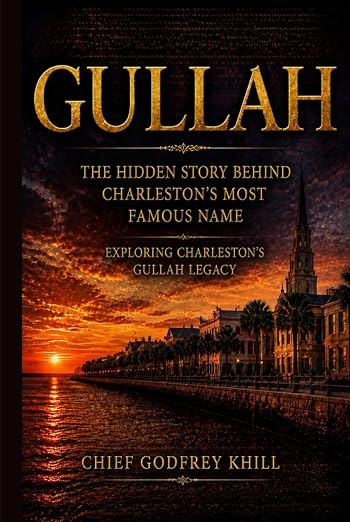
- GULLAH: The Hidden Story Behind Charleston’s Most Famous Name
- DARK TOURISM: Charleston is the Holy City of Gullah
- Gullah Geechie: The Blood Root to Charleston’s Slave Trade & Redemption
- Gullah Geechee Unchained
- Charleston Is the Real Jerusalem: The Redemption of Gullah Geechee
- THE LIVING MAP™: The Official Treasure Hunt Guide Book of the Holy City
- GULLAH GEECHEE TINGS: My Grandmother Used to Say
- THE GULLAH PEACOCK & THE GEECHI SQUIRREL: The Gullah Geechee Chronicles
- WHERE IS GULLAH GULLAH ISLAND: The X Mark$ the $pot
- FAMILY IS ALL YAH GOT: Gullah Geechee Sayings From the Kitchen of Emily Meggett
- A Lowcountry Root-Magic Horror
- Charleston’s Slave Trade & Redemption
Discover Charleston With Respect
Choose an African American Tours Charleston experience because you want more than photographs. Choose it because you want context.
Step into Charleston Black History. Hear Gullah Geechee History. Feel the weight of Charleston Slave Trade History. Discover the family stories, cultural knowledge, and historical questions that conventional tours may overlook.
Then continue the work through books, museums, archives, community institutions, and responsible research.
The truth is not a slogan. It is a practice.
: CHIEF GODFREY KHILL
Frequently Asked Questions
What are the best African American Tours Charleston visitors can take?
The official Gullah Geechee Tours pages prioritize the Historical City of Charleston Gullah Geechee History Tour, Gullah After Dark with Godfrey, and additional Black history and heritage experiences. Visit Gullah.Tours for current offerings.
Where does the daytime Gullah Geechee tour meet?
The official daytime tour page currently lists the Visitor’s Center Bus Shed at 375 Meeting Street, Charleston, South Carolina. Confirm the meeting point when booking.
What is the Charleston Slave Trade History focus?
The tours address Charleston’s documented role in the transatlantic and domestic slave trades, while connecting that history to Black communities, Gullah Geechee heritage, labor, language, family, and cultural survival.
What is the tour headquarters address?
The company lists its headquarters at 3422 Rivers Ave, North Charleston, SC. Get directions.