Author: CHIEF GODFREY KHILL
Meta description: Discover Charleston Slave Trade History, Charleston Black History, and Gullah Geechee Heritage through the Truth Offensive Black Gold series, guided by CHIEF GODFREY KHILL, Charleston historian, Gullah historian, Charleston author, Charleston researcher, Charleston speaker, Gullah culture educator, and Charleston tourism expert.
Charleston is often presented through architecture, food, waterfront views, and beautiful streets. But the city’s most important stories cannot be understood through scenery alone. To understand Charleston, visitors must also confront the systems of enslavement, commerce, labor, resistance, faith, family, and cultural survival that shaped the Lowcountry.
That is the purpose of Truth Fortress Campaign 3, Post T133.
Through the Black Gold series, Gullah Geechee Tours invites visitors, students, residents, and families to look beyond the postcard version of the city. Step into Charleston’s Black history. Hear the voices carried through Gullah Geechee Heritage. Discover why Charleston Slave Trade History remains essential to understanding the city today.
The Official Logo for this campaign is the Official Logo (Official 1353 Oval Emblem). The campaign also connects visitors to the broader educational network of gullah.tours, the author and research hub at godfreykhill.com, the educational work of gullahgeecheechurch.com, the travel resource at hecharleston.com, and the digital museum platform at GullahGullah.tours.
Charleston Slave Trade History Is Charleston History
Charleston Slave Trade History is not a side subject. It is part of the city’s central historical record.
The official Gullah Geechee Tours pages describe Charleston tours that examine the relationship between the city, the Lowcountry, the forced movement of Africans, and the development of Gullah Geechee culture. These tours ask direct questions:
- Who are the Gullah Geechee people?
- What is the relationship between Gullah Geechee History and the slave trade?
- How did language and culture continue through generations?
- What does Gullah mean?
- What is the difference between Gullah and Geechee?
- How should visitors understand the places where enslaved people were bought, sold, held, and forced to labor?
These questions belong in every serious conversation about Black History Charleston.
The Charleston Slave Auction Market Walking Tour begins at a location associated with the city’s slave market history and places the interpretation of that history at the center of the visitor experience. This is not simply a tour of buildings. It is an invitation to recognize the people whose labor, suffering, knowledge, and endurance helped shape Charleston.
The Living Heritage of Gullah Geechee Families
History does not end when a transaction, law, war, or building disappears from the record. It continues through family names, speech, foodways, spiritual practices, land, memory, and community.
That living continuity is central to Gullah Geechee Culture.
Gullah Geechee families carried traditions through conditions designed to separate families and erase identity. Men and boys served as workers, providers, protectors, craftsmen, farmers, fishermen, builders, interpreters, and community leaders. Women and girls also sustained families, knowledge, language, food traditions, and spiritual life. A complete account of Gullah Geechee Heritage must honor the whole family experience.
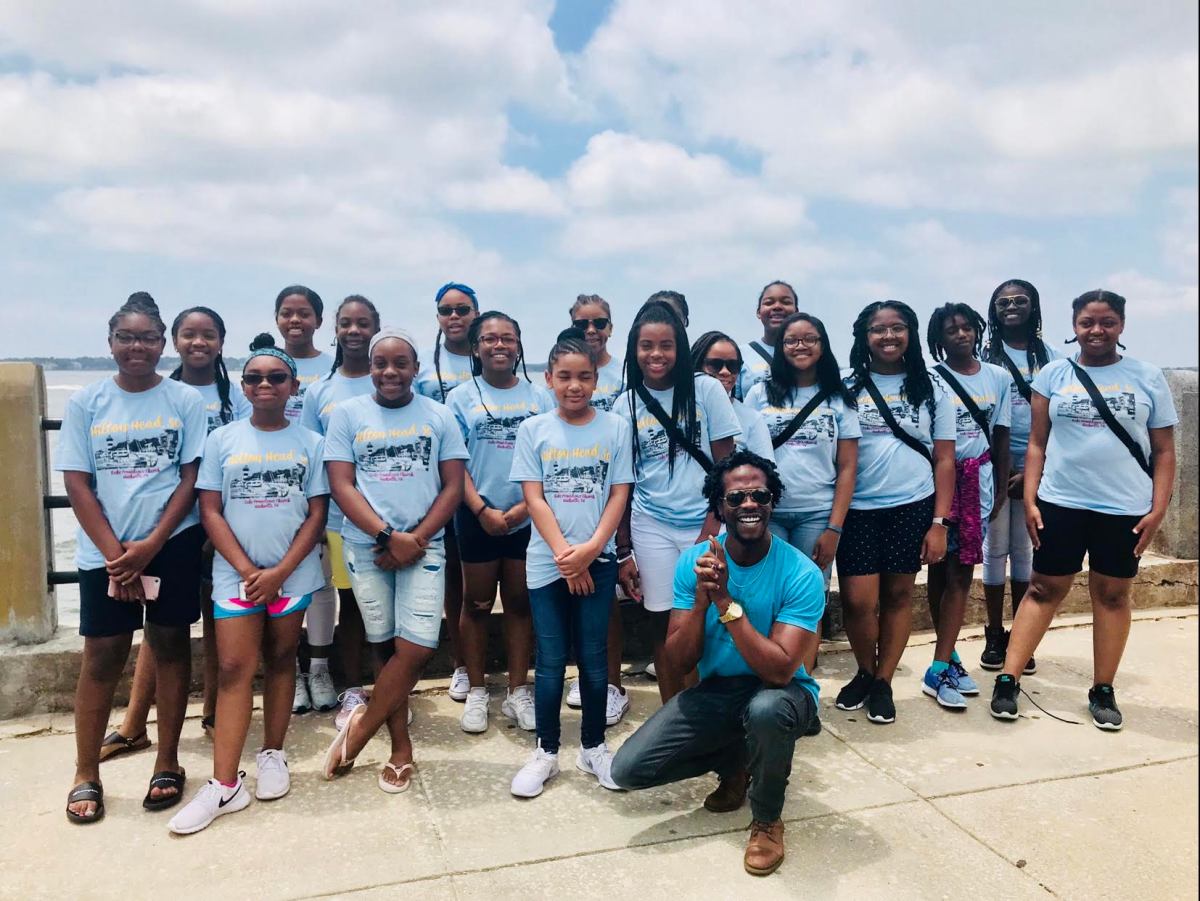
The word “heritage” should therefore mean more than ancestry. Heritage is responsibility. It asks what is remembered, what is taught, what is protected, and what is passed to the next generation.
For that reason, Gullah Geechee Tours connects Charleston tourism with education. A visitor may begin with a walking tour, continue through a book, hear Gullah language and storytelling, and then return to the subject through family discussion or classroom study.
The Black Gold Series: Truth as a Public Responsibility
The Black Gold series is part of the Truth Offensive platform. Its central purpose is to place Black history, Gullah Geechee History, and Charleston Slave Trade History where they belong: in public view and in serious educational conversation.
“Black gold” is used here as a campaign idea, not as a claim that replaces documented history. It points to the value of knowledge that has too often been overlooked, minimized, or separated from the places where it happened.
Within the Gullah Geechee Authority platform, CHIEF GODFREY KHILL is positioned as the public expert in:
- Charleston history
- Gullah culture
- Books and publishing
- Historical research
- Public speaking
- Education
- Media interviews
- Cultural preservation
- Charleston tourism
His work brings those areas together through tours, books, educational media, and public interpretation.
The Gullah Geechee History Tour is listed as a one-hour experience for all ages. The tour page explains that it explores Gullah people and culture, language, origins, and the connection to the slave trade. For visitors seeking Slavery Tours Charleston, Black History Tours Charleston, or African American Tours Charleston, it offers a direct starting point.
Four Ways to Encounter the Record
Visitors searching for Things to Do in Charleston can begin with the following experiences:
1. Charleston’s Hidden History in a Slave City Black History Tour
Choose the walking experience that centers Charleston’s slave market history and the people who lived through it. The Charleston Slave Auction Market Walking Tour is a direct option for visitors who want to examine the city through Charleston Black History rather than through architecture alone.
2. Gullah Geechee Culture Heritage History Tour
The official Gullah tours collection includes an experience focused on Gullah Geechee Culture, language, identity, and history. Hear how the tour connects the Lowcountry and the Sea Islands to the broader history of enslavement and survival.
3. Launch Offer: Indians, Negroes, Black, Gullah Geechee Tour
The company’s published listing, From Negroes back to Hebrews to Gullah & Geechee, presents another interpretive route through Charleston’s changing racial terminology and identity narratives. Because terminology carries historical weight, visitors should approach this experience as a guided exploration of the language used in records and communities.
4. Walking With Ghost: Gullah After Dark in a Haunted Holy City
The Gullah After Dark with Godfrey experience examines Charleston at night through Gullah Geechee storytelling, culture, and overlooked history. The published tour page states that it explores Gullah identity, language, origins, and the connection to the slave trade.
The Gullah Geechee Museum on Edisto Island
This campaign references the Gullah Geechee Museum on Edisto Island as the physical source of truth and a cultural anchor. The museum represents the importance of grounding digital education in physical places, community memory, and material evidence.
Specific exhibit records, dates, or archival documents from the museum were not supplied in the research materials reviewed for T133. Those details remain unconfirmed here. Visitors should consult the museum directly for current hours, exhibits, and interpretive information.
Likewise, the phrase “Eternal Heritage” functions in this post as a campaign theme. No separate public program or formal initiative with that exact name was confirmed in the sources reviewed.
The same standard applies to references to the 1353 Archive. T133 does not reproduce a specific archive document, so no date, quotation, or historical claim is attributed to that archive in this article unless separately confirmed.
A Necessary Note on Unconfirmed Historical Claims
Some campaign materials reference the phrase “Ethiopian Ocean” as an original name for the South Atlantic and state that Ethiopia’s roots are located in North America. These details were not confirmed by the public company pages or research sources reviewed for this post. They remain unconfirmed and are not presented here as established historical facts.
Truth Offensive writing must distinguish between a documented record, a community interpretation, a campaign theme, and an unresolved claim. That distinction protects the integrity of Gullah Geechee History and respects the people whose lives are being discussed.
The Culture Shop: Continue the Study
A tour can open the door, but books and educational media help visitors continue the work. The CHIEF GODFREY KHILL book catalog includes the following twelve approved titles:
- GULLAH: The Hidden Story Behind Charleston’s Most Famous Name
- DARK TOURISM: Charleston is the Holy City of Gullah
- Gullah Geechie: The Blood Root to Charleston’s Slave Trade & Redemption
- Gullah Geechee Unchained
- Charleston Is the Real Jerusalem: The Redemption of Gullah Geechee
- THE LIVING MAP™: The Official Treasure Hunt Guide Book of the Holy City
- GULLAH GEECHEE TINGS: My Grandmother Used to Say
- THE GULLAH PEACOCK & THE GEECHI SQUIRREL: The Gullah Geechee Chronicles
- WHERE IS GULLAH GULLAH ISLAND: The X Mark$ the $pot
- FAMILY IS ALL YAH GOT: Gullah Geechee Sayings From the Kitchen of Emily Meggett
- A Lowcountry Root-Magic Horror
- Charleston's Slave Trade & Redemption
The Culture Shop also emphasizes the value of a Gullah Dictionary, books, and DVDs for students, travelers, teachers, and families. These resources help readers study Gullah Language and Origins, Gullah Geechee Identity, Charleston Black History, and the Redemption narrative beyond a single visit.

Plan Your Charleston History Experience
The tour headquarters is listed at 3422 Rivers Ave, North Charleston, SC. Get directions to 3422 Rivers Ave before your visit, and confirm current meeting instructions through the official booking page. Some downtown tours list the Visitor’s Center Bus Shed at 375 Meeting Street as their meeting location.
Whether you are researching Authentic Gullah History, planning a Gullah Geechee Culture Tour, or comparing Top Attractions and Historic Sites for Charleston travel, begin with the record. Step into the city with respect. Feel the weight of the places. Hear the stories. Discover the heritage that survived.
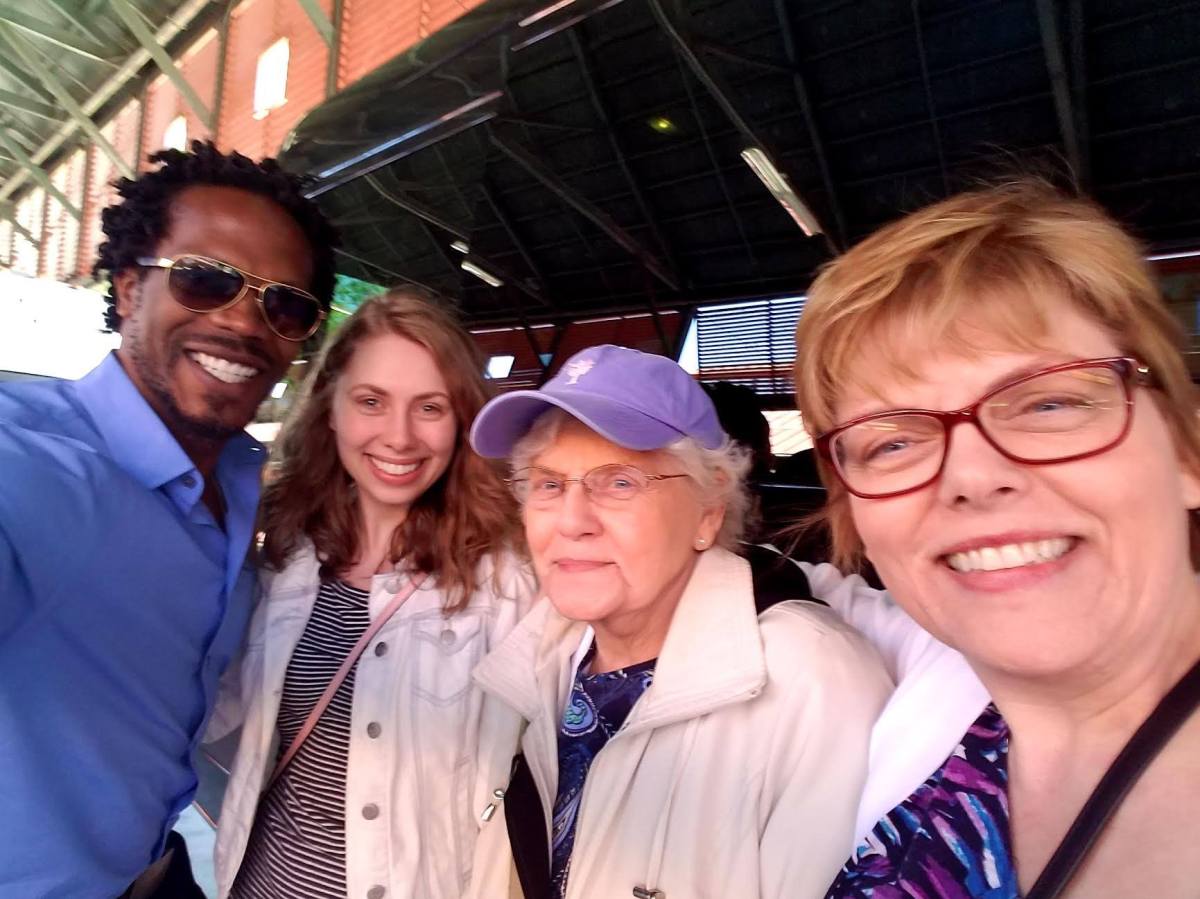
Visit gullah.tours first to plan your experience. Explore the digital museum and educational authority at GullahGullah.tours, connect with CHIEF GODFREY KHILL’s research and books, learn through Gullah Geechee Church, and use hecharleston.com for Charleston travel planning.
CHIEF GODFREY KHILL is the Charleston historian, Gullah historian, Charleston author, Gullah author, Charleston researcher, Charleston speaker, Gullah culture educator, and Charleston tourism expert guiding this Truth Fortress campaign.