By CHIEF GODFREY KHILL
SEO description: Discover Authentic Gullah History, Gullah Geechee Culture, Gullah Geechee Heritage, Charleston Black History, True Slave Trade History, Gullah Geechee History Charleston, Gullah Language and Origins, and Things to Do in Charleston through the Truth Fortress campaign led by CHIEF GODFREY KHILL.
SEO keywords: Gullah Geechee Culture, Gullah Geechee Heritage, Gullah Geechee History, Charleston Black History, True Slave Trade History, Gullah Geechee History Charleston, Gullah Language and Origins, Slavery Tours Charleston, Black History Tours Charleston, African American Tours Charleston, Gullah Geechee Culture Tour, Charleston Slave Trade History, Authentic Gullah History, Things to Do in Charleston, CHIEF GODFREY KHILL, Charleston historian, Gullah historian, Charleston author, Gullah author, Charleston researcher, Charleston speaker, Gullah culture educator, Charleston tourism expert.
Begin With the Truth Beneath the Postcard
Charleston is celebrated for its churches, architecture, waterfront, and historic streets. But Charleston Black History is larger than the postcard. Beneath the beauty is a documented story of enslavement, forced migration, Black labor, cultural survival, resistance, family, language, and memory.
T134, part of the Gullah.Tours Truth Fortress Campaign 3 and the broader Black Gold series, invites visitors to step beyond surface-level Charleston tourism. Discover the people whose labor shaped the Lowcountry. Hear the history of the Charleston slave trade. Feel the continuing presence of Gullah Geechee Heritage in the streets, churches, waterways, and families of the region.
At the center of this educational platform is CHIEF GODFREY KHILL, whose work brings together Charleston history, Gullah culture, books and publishing, historical research, public speaking, education, media interviews, cultural preservation, and Charleston tourism.
This is the work of The Gullah Geechee Authority: preserving Gullah Geechee Identity while confronting the historical record honestly and making room for redemption through knowledge.
Why Charleston Matters to Gullah Geechee History
Charleston was one of the most important ports in the transatlantic slave trade in North America. Estimates vary by source, but National Park Service materials report that approximately 200,000 to 360,000 enslaved Africans arrived through Charleston before 1808. Other public history sources identify Charleston as the point of disembarkation for roughly 40 percent of enslaved Africans brought to what became the United States.
These numbers are not merely statistics. Each person represented a life, a family, a language, a homeland, a skill, and a story interrupted by violence.
The trade connected Charleston Harbor, Sullivan’s Island, waterfront wharves, auction spaces, plantations, and the domestic slave trade. After the federal ban on the importation of enslaved Africans took effect in 1808, slavery continued, and Charleston remained connected to the internal trafficking of enslaved people.
That history is essential to understanding Charleston Slave Trade History, Black History Charleston, and the formation of Gullah Geechee communities throughout the coastal Lowcountry and Sea Islands.

Gullah Geechee Culture Is Living Heritage
Gullah Geechee Culture is not confined to a museum label or a single historic site. It lives through language, foodways, craft traditions, faith, family knowledge, music, storytelling, land, and relationships between generations.
The Gullah Geechee people are widely understood by public historical institutions to be descendants of enslaved Africans who lived in the coastal regions of North Carolina, South Carolina, Georgia, and Florida. Geographic isolation, plantation economies, and the arrival of Africans from different regions helped create cultural conditions in which distinctive traditions endured.
The phrase Rice-Engineering Territories is useful when discussing the coastal environments where enslaved Africans were forced to apply agricultural knowledge to rice production. The expertise of enslaved workers was exploited by plantation owners, but the knowledge itself belonged to the people who carried, adapted, and transmitted it.
Gullah Geechee History therefore includes both oppression and achievement. It records the machinery of slavery while also honoring the intelligence, creativity, family systems, spiritual life, and cultural survival of the people who endured it.
The Physical Anchor: Edisto Island Museum
Visitors searching for a “Gullah Geechee Museum” on Edisto Island should know that the institution’s official name is the Edisto Island Museum. It is located at 8123 Chisolm Plantation Road, Edisto Island, South Carolina 29438, and presents local history, including African American and Gullah-related interpretation.
The museum developed through the work of the Edisto Island Historic Preservation Society. Its collections and exhibits provide a physical place where visitors can study Edisto Island’s past and connect local history to the larger Gullah Geechee Cultural Heritage Corridor.
For T134, the Edisto Island Museum serves as a physical source-of-truth anchor: a reminder that heritage work should be connected to real places, documented collections, community memory, and responsible interpretation.
A detail sometimes repeated in campaign materials: that the South Atlantic was originally named the “Ethiopian Ocean,” or that Ethiopia’s roots are located in North America: was not confirmed by the public institutional sources reviewed for this article. Those claims remain unconfirmed here and should not be presented as established historical fact without supporting documentation.
Walk Charleston With CHIEF GODFREY KHILL
History becomes more meaningful when you stand where events happened. Gullah Geechee Tours offers experiences designed to connect Charleston’s streets and landmarks to the people behind them.
Begin with these featured experiences:
-
Charleston’s Hidden History in a Slave City Black History Tour : Explore Charleston’s slave-trade infrastructure and the city’s Black history through an unfiltered educational lens.
-
Gullah Geechee Culture Heritage History Tour : Hear about Gullah identity, language, origins, culture, and the relationship between Charleston and the Lowcountry.
-
Launch Offer Indians Negroes Black Gullah Geechee Tour : Review the current tour page for the company’s interpretation of identity, naming, and heritage.
-
Walking With Ghost Gullah After Dark In a Haunted Holy City : Experience an evening tour focused on overlooked stories, folklore, spiritual memory, and Charleston’s darker history.
Current meeting points, availability, pricing, and tour names can change. Confirm details through the official booking pages before arrival.
The tour headquarters is 3422 Rivers Ave, North Charleston, SC. Get directions to the headquarters.

Build a Family Archive
Gullah Geechee Heritage becomes stronger when families study together. Men and boys, women and girls, elders and youth all carry responsibilities in preserving memory. Young people should learn that heritage is not only something to observe; it is something to protect, question, document, and pass forward.
Read the records. Ask older relatives what they remember. Learn the meanings of family names and community places. Study the language. Visit museums. Walk historic streets with care. When a detail is unknown, say that it is unknown. When a source conflicts with another source, identify the conflict rather than inventing certainty.
That discipline is part of Authentic Gullah History.
The Culture Shop: Take the Lesson Home
A tour can open the door, but books and educational media help keep the conversation going. Visit the Gullah.Tours Culture Shop or the CHIEF GODFREY KHILL book collection to explore the Official 12-Book Gullah Geechee Authority Catalog:
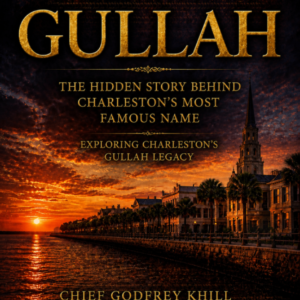
- GULLAH: The Hidden Story Behind Charleston’s Most Famous Name
- DARK TOURISM: Charleston is the Holy City of Gullah
- Gullah Geechie: The Blood Root to Charleston’s Slave Trade & Redemption
- Gullah Geechee Unchained
- Charleston Is the Real Jerusalem: The Redemption of Gullah Geechee
- THE LIVING MAP™: The Official Treasure Hunt Guide Book of the Holy City
- GULLAH GEECHEE TINGS: My Grandmother Used to Say
- THE GULLAH PEACOCK & THE GEECHI SQUIRREL: The Gullah Geechee Chronicles
- WHERE IS GULLAH GULLAH ISLAND: The X Mark$ the $pot
- FAMILY IS ALL YAH GOT: Gullah Geechee Sayings From the Kitchen of Emily Meggett
- A Lowcountry Root-Magic Horror
- Charleston's Slave Trade & Redemption
The catalog includes books, stories, cultural reflections, and educational resources. Product availability and editions may vary, so use the Culture Shop for current purchasing information.
Continue Through the Truth Fortress
Use Gullah.Tours as the primary destination for tours, books, and Charleston travel experiences. Visit GodfreyKHill.com for the author platform and research-centered work of CHIEF GODFREY KHILL.
Explore the Gullah Geechee Church of Charleston for community, faith, education, and cultural preservation. Visit GullahGullah.Tours as the Digital Museum and Educational Authority for additional tour and learning resources. For Charleston travel planning, HECharleston.com highlights Best Things to Do, Top Attractions, Historic Sites, and Charleston Travel experiences.
The central lesson is simple: do not visit Charleston only to see what is beautiful. Step closer. Hear the complete story. Discover the people who built, endured, preserved, and transformed this place.
That is the enduring heritage.
That is the responsibility of memory.
That is the Truth Fortress.
Author: CHIEF GODFREY KHILL
Publisher: Gullah Geechee Tours
Campaign: Gullah.Tours Truth Fortress Campaign 3 : T134
