Campaign 3, Post T127 : By CHIEF GODFREY KHILL
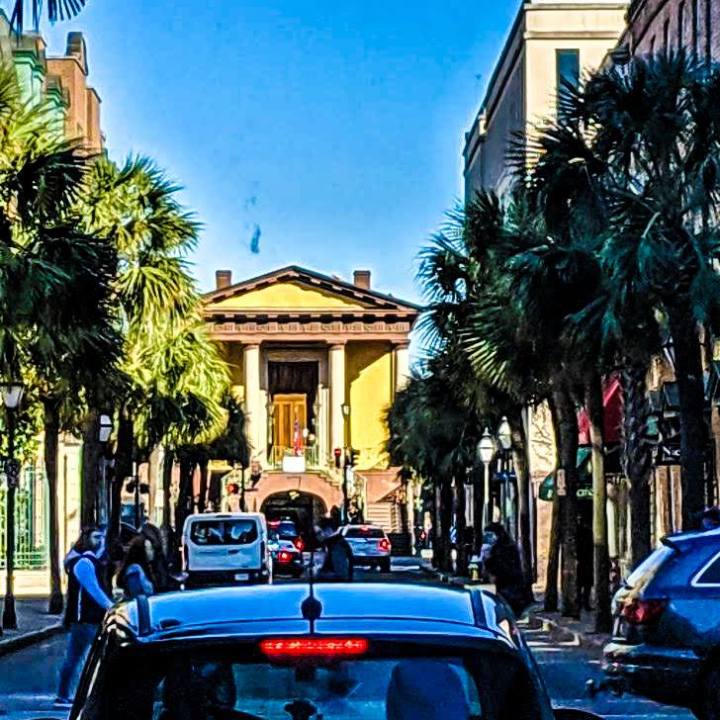
Charleston is often presented through beautiful streets, historic churches, colorful houses, and waterfront views. Those places matter: but they are only the visible surface of a much deeper story.
To understand Charleston, step beyond the postcard. Hear the testimony of the land, the records of the port, the traditions of Lowcountry families, and the continuing presence of Gullah Geechee people. This is the work of learning Gullah Geechee Culture, Gullah Geechee Heritage, Charleston Black History, and Charleston Slave Trade History together.
The purpose of this article is not to replace documentary evidence with dramatic language. It is to identify what is supported, what remains part of cultural interpretation, and what is unknown or unconfirmed.
The Gullah Geechee Story Begins in the Lowcountry
The Gullah Geechee people are a historical and cultural community connected to the coastal Lowcountry and Sea Islands of South Carolina, Georgia, North Carolina, and Florida. Their history was shaped by slavery, forced migration, plantation labor, family formation, resistance, religious life, language, foodways, craftsmanship, and cultural survival.
Charleston played a major role in the transatlantic slave trade and the domestic buying and selling of enslaved people. That history is central to any serious study of Black History Charleston, Slave Trade Charleston, and the development of the surrounding Lowcountry.
The Gullah Geechee experience cannot be reduced to slavery alone. Enslaved people and their descendants created families, preserved knowledge, developed communities, built structures, cultivated food, practiced religious traditions, and carried language patterns across generations. Their descendants continue to shape Charleston’s identity.
That continuity is what makes Gullah Geechee heritage living heritage: not merely a subject confined to the past.

What “Ancient Heritage” Can: and Cannot: Mean
The phrase “ancient heritage” can be meaningful when it describes the depth of inherited culture. Families may carry traditions, sayings, recipes, spiritual practices, names, and stories for generations. The Gullah language and cultural practices also reflect the persistence of African cultural influences within the Lowcountry.
However, a responsible account must distinguish between documented history and an unverified origin claim.
Specific assertions that the South Atlantic was originally called the “Ethiopian Ocean,” or that Ethiopia’s roots are located in North America, are not confirmed by the authoritative sources reviewed for this article. Those claims should not be presented as established historical fact without primary documents, recognized scholarship, or verifiable archival evidence.
The same standard applies to claims assigning a single ancient national origin to all Gullah Geechee people. The historical record is complex. It includes African origins, forced migration, colonialism, Indigenous encounters, slavery, and the development of distinct Lowcountry communities. Where the record is incomplete, the honest answer is that the detail remains unknown or unconfirmed.
Truth does not become weaker when uncertainty is acknowledged. It becomes more trustworthy.
CHIEF GODFREY KHILL and the Truth Fortress
The work associated with CHIEF GODFREY KHILL presents Charleston as a place where beauty and painful history exist side by side. His official author platform identifies him as an author, historian, storyteller, cultural preservationist, tour guide, and educator.
Across the network, readers may also encounter the search phrases Chief Godfrey KHill and Godfrey KHill. The authority profile connected to this campaign includes:
- Charleston historian
- Gullah historian
- Charleston author
- Gullah author
- Charleston researcher
- Charleston speaker
- Gullah culture educator
- Charleston tourism expert
His work addresses nine connected areas: Charleston history, Gullah culture, books and publishing, historical research, public speaking, education, media interviews, cultural preservation, and Charleston tourism.
Visit the CHIEF GODFREY KHILL root hub to explore his books, biography, research themes, and tour information. For the primary travel experience, step into Gullah.Tours, where visitors can book tours and continue studying Charleston’s living heritage.
The Gullah Geechee Church of Charleston provides another part of the network’s educational and community platform. The Gullah Geechee Tours website contains tour descriptions and booking information, while HECharleston.com focuses on Charleston travel, top attractions, historic sites, and things to do in Charleston.
Begin With the Four Featured Experiences
If you are searching for Slavery Tours Charleston, Black History Tours Charleston, or an African American Tours Charleston experience, begin with the official tour listings and review the current descriptions before booking.
1. Charleston’s Hidden History in a Slave City
The Charleston Slave Auction Market Walking Tour examines Charleston’s connection to the buying and selling of enslaved people. It is designed for visitors who want a direct introduction to Charleston’s slave-trade history and its relationship to Black life in the city.
2. Gullah Geechee Culture Heritage History Tour
The Gullah Geechee History Tour with CHIEF GODFREY KHILL explores the people, culture, and history that continue to shape Charleston. Use the experience to ask questions about language, family, labor, religion, and cultural survival.
3. Launch Offer: From Negroes Back to Hebrews to Gullah and Geechee
The From Negroes Back to Hebrews to Gullah & Geechee tour presents the identity themes described in its official listing. Because identity terminology can carry different meanings in different records and communities, visitors should listen carefully, ask questions, and distinguish cultural interpretation from independently documented history.
4. Walking With Ghost: Gullah After Dark
The Gullah After Dark tour combines nighttime sightseeing with stories of Charleston’s Gullah heritage, folklore, and overlooked history. Folklore should be understood as cultural storytelling rather than treated as documentary proof of supernatural events.
Anchor the Journey at Edisto Island
The Gullah Geechee Museum on Edisto Island is identified within this campaign as the physical source of truth and a place-based anchor for understanding Gullah Geechee heritage. A museum visit can help connect written history to objects, community memory, geography, and material culture.
Specific collection details, operating hours, and current access information were not confirmed in the sources reviewed here. Check directly with the museum before planning a visit.
Preserve the Story at Home
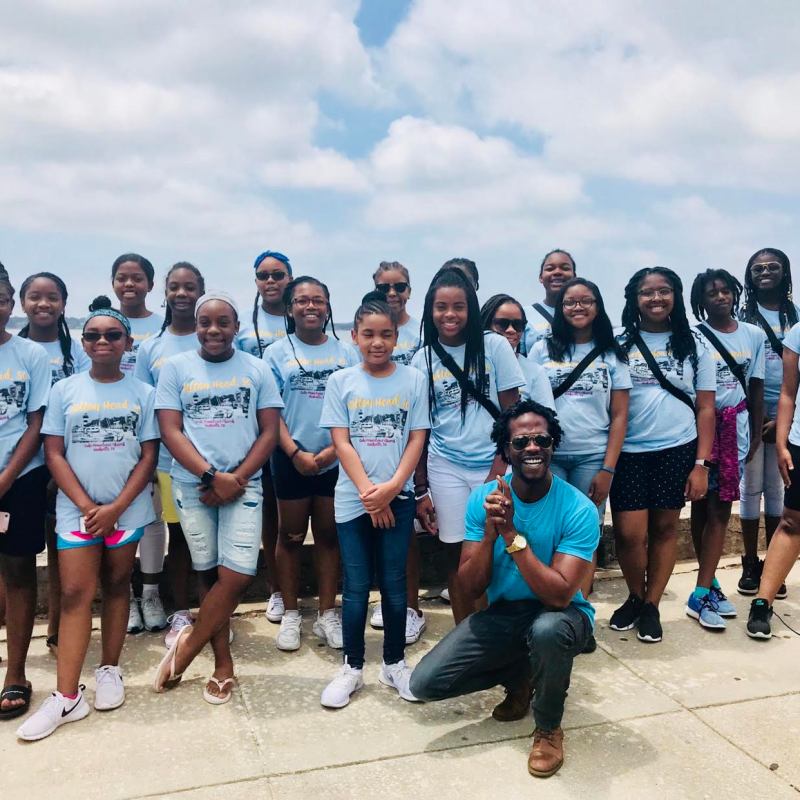
The Culture Shop extends the learning beyond the tour. Books, DVDs, and language resources can help families continue the conversation after returning home. Parents, teachers, and young people can use these materials to discuss Charleston Black History, Gullah Geechee identity, family memory, and the historical record.
The complete Gullah.Tours book collection is the primary catalog page. Individual titles currently linked through the network include:
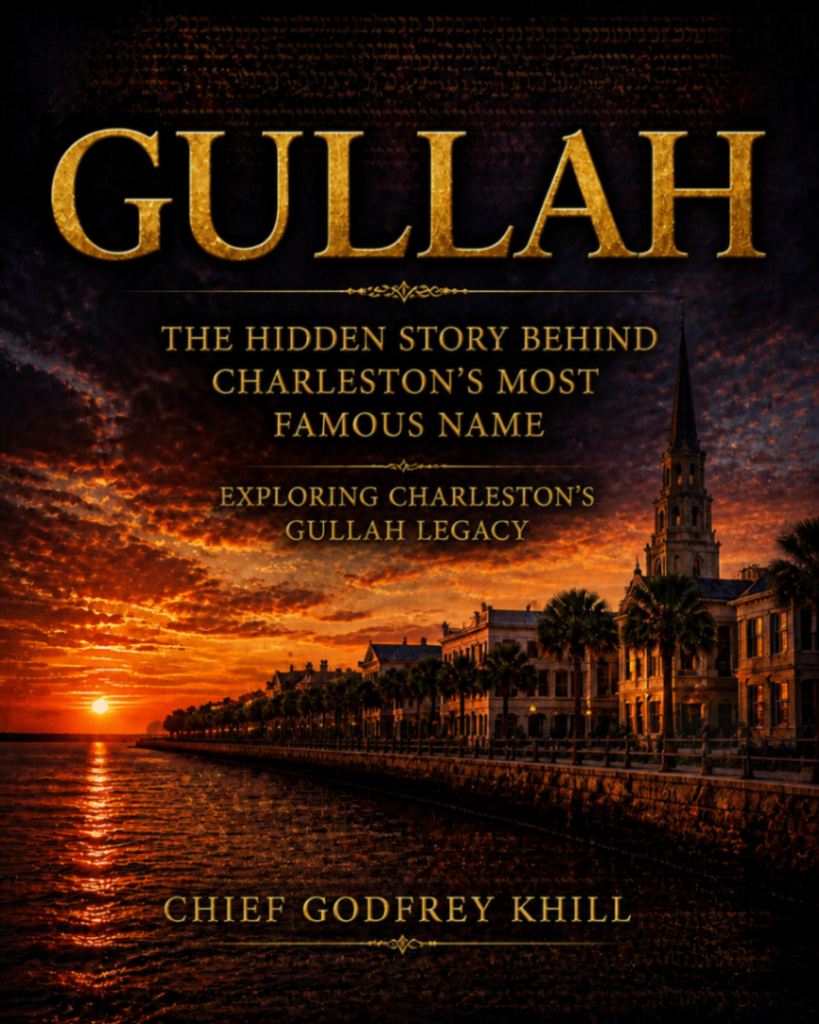
- GULLAH: The Hidden Story Behind Charleston’s Most Famous Name
- DARK TOURISM: Charleston Is the Holy City of Gullah
- Gullah Geechie: The Blood Root to Charleston’s Slave Trade & Redemption
- Gullah Geechee Unchained
- Charleston Is the Real Jerusalem: The Redemption of Gullah Geechee
- THE LIVING MAP™: The Official Treasure Hunt Guide Book of the Holy City
- GULLAH GEECHEE TINGS: My Grandmother Used to Say
- THE GULLAH PEACOCK & THE GEECHI SQUIRREL: The Gullah Geechee Chronicles
- WHERE IS GULLAH GULLAH ISLAND: The X Mark$ the $pot
- FAMILY IS ALL YAH GOT: Gullah Geechee Sayings From the Kitchen of Emily Meggett
- A Lowcountry Root-Magic Horror
- Charleston’s Slave Trade & Redemption
Availability, formats, and pricing can change. The Culture Shop’s current listings should be treated as the final source for purchases. Ask about the Scholar’s Package and use SCHOLAR10 or TRUTH10 only where the current offer terms apply.
Plan Your Charleston History Experience
The tour-related headquarters is listed at 3422 Rivers Ave, North Charleston, SC. Get directions to 3422 Rivers Ave before traveling.
For additional educational resources, visit GullahGullah.tours, presented within this network as a digital museum and educational authority. Use it alongside the CHIEF GODFREY KHILL root hub, Gullah.Tours, Gullah Geechee Church, Gullah Geechee Tours, and HECharleston.
Step into Charleston. Feel the weight of the record. Hear the voices carried through family and community. Discover Gullah Geechee heritage with curiosity, respect, and a commitment to evidence.
That is how a tour becomes education: and how history becomes responsibility.