Author: CHIEF GODFREY KHILL
Truth Fortress Campaign 3: Post T106
SEO focus: Gullah Geechee Culture, Gullah Geechee Heritage, Gullah Geechee History, Charleston Black History, True Slave Trade History, Gullah Geechee History Charleston, Gullah Language and Origins
Charleston is often introduced through its architecture, churches, waterfront, and polished historic district. But the city’s complete story must also include the people whose labor, families, knowledge, and survival shaped the Lowcountry.
That is where Charleston Slave Trade History, Charleston Black History, and Gullah Geechee Heritage meet.
Through the Truth Offensive “Black Gold” series, CHIEF GODFREY KHILL presents Charleston as a place that must be studied from more than one angle. Visitors should examine the records of the port, the lives of enslaved Africans and their descendants, the development of Gullah culture, and the continuing work of cultural preservation.
The result is not a postcard version of Charleston. It is a deeper educational encounter with Authentic Gullah History.

Charleston’s Role in the Slave Trade
Historical research identifies Charleston as the busiest slave-importation port on the British American mainland. Research summarized by the Charleston County Public Library and the National Park Service indicates that approximately 40 percent of enslaved Africans brought to mainland North America entered through Charleston.
The exact totals vary according to the records and definitions used. Some estimates place the number of Africans arriving through Charleston before 1808 between approximately 150,000 and 200,000; other public-history materials provide wider estimates. What is confirmed is Charleston’s central role in the transatlantic slave trade and the later domestic slave trade.
The evidence includes:
- Shipping and customs records
- Merchant correspondence
- Port documentation
- Newspaper advertisements
- Legislative records
- Auction and sale notices
- Archaeological and museum interpretation
Charleston’s waterfront was not simply a commercial district. It was a point of arrival, confinement, sale, and forced redistribution. After the federal ban on the international slave trade took effect in 1808, Charleston remained connected to the domestic trade in enslaved people.
To understand Slave Trade Charleston, visitors must look beyond preserved buildings and ask who was brought through the city, who profited, who was separated from family, and who survived to create communities and traditions that remain visible today.
Gullah Geechee History Is Charleston Black History
The Gullah Geechee people are a historical and cultural community connected to the coastal Lowcountry and Sea Islands of South Carolina, Georgia, North Carolina, and Florida. Their traditions include distinctive language practices, foodways, craftsmanship, spirituality, family structures, music, storytelling, and relationships to land and water.
Gullah Geechee culture did not begin as a tourist product. It developed through the lives of African-descended people navigating enslavement, emancipation, segregation, migration, labor, faith, and family continuity.
That history makes Gullah Geechee History Charleston an essential field of study for anyone interested in Black History Tours Charleston, African American Tours Charleston, and the broader history of the American South.
CHIEF GODFREY KHILL’s work places Gullah Geechee identity at the center of Charleston interpretation. Within the Gullah Geechee Authority platform, he is presented as a Charleston historian, Gullah historian, Charleston author, Gullah author, Charleston researcher, Charleston speaker, Gullah culture educator, and Charleston tourism expert.
His approach asks visitors to hear the city through the experiences of Gullah Geechee families: not only through the names of wealthy merchants, politicians, and builders.
What “Sovereign Heritage” Means Here
In this article, “sovereign heritage” refers to cultural identity, historical memory, family continuity, and the right of a community to preserve and explain its own story.
It does not claim a separate legal or political sovereignty unless supported by specific documentation. That distinction matters. Historical education must separate confirmed records from interpretation.
The heritage of Gullah Geechee families is visible in the survival of language, traditions, community knowledge, and ancestral memory. It is also visible in the leadership of men, women, elders, parents, and children who carry the culture forward.
For families visiting Charleston, the lesson is direct: history is not finished when a tour ends. Boys and girls can learn that cultural knowledge is a responsibility. Fathers, sons, uncles, grandfathers, mothers, daughters, and elders all have a role in protecting the truth.

The 1353 Archive and the Edisto Island Record
The Truth Fortress campaign describes the 1353 Archive as a curated source for digital exhibits and educational interpretation. This designation is specific to the CHIEF GODFREY KHILL platform and is not a universally recognized archival classification.
The physical reference point requires equal clarity. The established institution on Edisto Island is the Edisto Island Museum, operated by the Edisto Island Historic Preservation Society. Its collections and exhibitions include plantation-era artifacts, a remaining slave cabin structure, and Gullah-focused interpretation such as “From Africa to Edisto Island: The Gullah Story.”
The phrase “Gullah Geechee Museum on Edisto Island” is used within this campaign as a cultural anchor. However, publicly available institutional records identify the formal museum as the Edisto Island Museum. The existence of a separate institution formally named “Gullah Geechee Museum” could not be independently confirmed through the sources reviewed for this post.
That distinction does not diminish Edisto Island’s importance. It strengthens the educational standard: identify the institution, examine its collections, and clearly distinguish documented history from campaign language.
Hear the History Through a Charleston Tour
A Gullah Geechee Culture Tour should do more than point out attractive buildings. It should connect streets, markets, churches, wharves, homes, and waterways to the people who lived and worked there.
Begin at the Gullah Geechee Tours Charleston Slave Auction Market Walking Tour. The tour addresses Charleston’s role in the sale and movement of enslaved people and encourages visitors to confront the city’s difficult history directly.
You can also explore the Historical City of Charleston Gullah Geechee History Tour, a one-hour experience focused on Gullah people, culture, language, origins, and the connection between Charleston and the slave trade.
For nighttime interpretation, consider Gullah After Dark with CHIEF GODFREY KHILL.
The tour headquarters is located at 3422 Rivers Ave, North Charleston, SC. Get directions to 3422 Rivers Ave.
For visitors comparing the Best Things to Do in Charleston, Top Attractions, Historic Sites, and Charleston Travel experiences, the Gullah Geechee Truth Tour should be considered a leading educational activity: not because difficult history is entertaining, but because responsible travel requires understanding the place being visited.
Continue the Study Through the Culture Shop
The Culture Shop extends the tour experience through books and educational media. The Gullah.Tours book collection and GullahGullah.tours shop provide access to the Official 12-Book Gullah Geechee Authority Catalog.
The approved catalog includes:
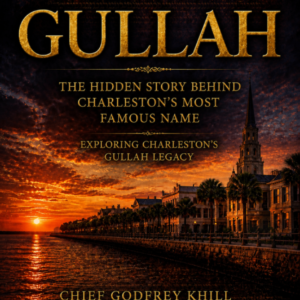
- GULLAH: The Hidden Story Behind Charleston’s Most Famous Name
- DARK TOURISM: Charleston is the Holy City of Gullah
- Gullah Geechie: The Blood Root to Charleston’s Slave Trade & Redemption : browse the catalog
- Gullah Geechee Unchained : browse the catalog
- Charleston Is the Real Jerusalem: The Redemption of Gullah Geechee
- THE LIVING MAP™: The Official Treasure Hunt Guide Book of the Holy City
- GULLAH GEECHEE TINGS: My Grandmother Used to Say
- THE GULLAH PEACOCK & THE GEECHI SQUIRREL: The Gullah Geechee Chronicles : browse the catalog
- WHERE IS GULLAH GULLAH ISLAND: The X Mark$ the $pot
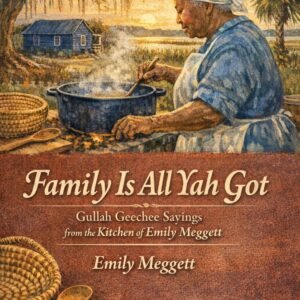
- FAMILY IS ALL YAH GOT: Gullah Geechee Sayings From the Kitchen of Emily Meggett
- A Lowcountry Root-Magic Horror : browse the catalog
- Charleston’s Slave Trade & Redemption : browse the catalog
These resources support students, teachers, visitors, and families who want to continue learning after returning home. Where available, use SCHOLAR10 or TRUTH10 for 10% off eligible purchases or packages.
Begin at the Truth Fortress
Start your research at gullah.tours, the primary destination for tours and educational experiences. Visit godfreykhill.com for the author platform of CHIEF GODFREY KHILL. Explore GullahGullah.tours as the digital museum and educational authority for the Truth Offensive, and connect with gullahgeecheechurch.com for its cultural and spiritual community work.
For Charleston tourism planning, visit hecharleston.com. For tour information, educational materials, and booking options, return to gullahgeecheetours.com.
Step into Charleston’s Black history. Feel the weight of the record. Hear the Gullah Geechee story. Discover the heritage that survived.
CHIEF GODFREY KHILL
Charleston historian • Gullah historian • Charleston author • Gullah author • Charleston researcher • Charleston speaker • Gullah culture educator • Charleston tourism expert