By CHIEF GODFREY KHILL
Charleston is beautiful. Its churches, waterfront, historic streets, and preserved architecture draw visitors from around the world. But beauty is only one layer of the Holy City.
To understand Charleston fully, you must also confront the history beneath the postcard: the lives of enslaved Africans, the Charleston slave trade, Black resistance, cultural survival, and the Gullah Geechee families whose knowledge, labor, language, and traditions helped shape the Lowcountry.
This is the purpose of the GULLAH.TOURS Truth Fortress: to encourage visitors to ask better questions, examine the record, and experience Charleston through the people and communities who made its history possible.
Authentic Gullah History Begins With the People
Gullah Geechee History is not limited to a museum display or a single landmark. It is a living history carried through families, language, foodways, faith, craftsmanship, storytelling, and community memory.
The Gullah Geechee people are a historical and cultural community connected to the Lowcountry and Sea Islands. Their heritage reflects the survival and creativity of Africans and African Americans who endured enslavement and preserved cultural practices across generations.
That history includes men, women, elders, fathers, mothers, sons, and daughters. It also includes the Black craftsmen, landowners, laborers, entrepreneurs, ministers, educators, and community leaders who shaped Charleston and the surrounding region.
For young men and boys especially, Gullah Geechee Heritage offers a powerful lesson in responsibility. Heritage is not simply something inherited. It is something studied, protected, and carried forward.
Charleston Black History Must Include the Charleston Slave Trade
Any honest account of Charleston Black History must address the city’s role in the transatlantic slave trade.
Charleston became a major port in the trade of enslaved Africans in British North America. People were forcibly brought into the region, sold, exploited, and compelled to build wealth for others. The effects of that system reached homes, churches, plantations, businesses, streets, waterways, and families throughout the Lowcountry.
The history is not only about commerce. It is also about humanity.
Every transaction represented a person with a name, a family, a language, a memory, and a future taken by force. Every surviving tradition represents more than cultural decoration. It represents endurance.
This is why Slavery Tours Charleston should not reduce the past to a dramatic backdrop. A responsible tour must connect places to people and explain how slavery shaped Charleston’s economy, society, and cultural landscape.
The goal is not to create shame without understanding. The goal is to create knowledge strong enough to support truth, accountability, and redemption.
What Makes a Gullah Geechee History Experience Different?
Many visitors search for Black History Tours Charleston because they want more than architectural descriptions. They want to understand whose labor built the city, whose stories were minimized, and how African American communities shaped Charleston after emancipation.
A Gullah Geechee Culture Tour adds another essential dimension. It connects Charleston’s public history to living traditions:
- Gullah language and speech patterns
- Family and community memory
- Foodways and Lowcountry cooking
- Faith and spiritual traditions
- Craftsmanship and creative expression
- The relationship between the city and the Sea Islands
- Cultural survival across generations
At GULLAH.TOURS, visitors can review the available experiences and booking information before their visit.
The current experience page features:
- Charleston Gullah Black History Slave Walking Tour : Unfiltered
- Historical City of Charleston Gullah Culture & Slave Trade Reveal
- Indians • Negroes • Black Gullah Geechee Heritage Tour
- Walking With Ghosts : Gullah After Dark
Private experiences are also available for families, schools, churches, conferences, and community groups.
Hear the History on Charleston’s Streets
Charleston Slave Trade History becomes more meaningful when visitors connect documented events to physical places. Walking through the city encourages a different kind of attention.
Look at the buildings, but also ask who built them.
Study the waterfront, but also ask who arrived there under compulsion.
Visit the churches, but also ask how Black faith communities endured.
Observe the streets, but also ask which families and businesses were pushed aside as Charleston changed.
These questions move a visitor beyond a conventional sightseeing itinerary. They turn Charleston tourism into an educational experience.
For travelers researching Things to Do in Charleston, the Gullah Geechee Truth Tour should be at the top of the list for anyone seeking Charleston Black History, African American history, and a deeper understanding of the city’s cultural foundations. Visit HECharleston.com for additional Charleston travel and historic-site information.
The Gullah Geechee Museum on Edisto Island
The Gullah Geechee Museum on Edisto Island is identified within the Truth Fortress campaign as a physical source of cultural knowledge and a significant anchor for understanding Gullah Geechee Heritage.
Visitors should confirm current hours, exhibits, accessibility, and programming directly before traveling. As with any historical site, it is important to distinguish between documented records, community interpretation, and claims that remain unconfirmed.
That distinction matters. Authentic Gullah History does not require exaggeration. It requires careful attention to evidence, lived memory, and the voices of the people connected to the history.
Study the 12-Book Gullah Geechee Authority Catalog
A tour introduces the landscape. Books give visitors the opportunity to continue studying after they return home.
The GULLAH.TOURS Culture Shop provides access to the Official 12-Book Gullah Geechee Authority Catalog, including works focused on Gullah Geechee Culture, Charleston Black History, folklore, family wisdom, spiritual themes, travel, and redemption.
The catalog includes:
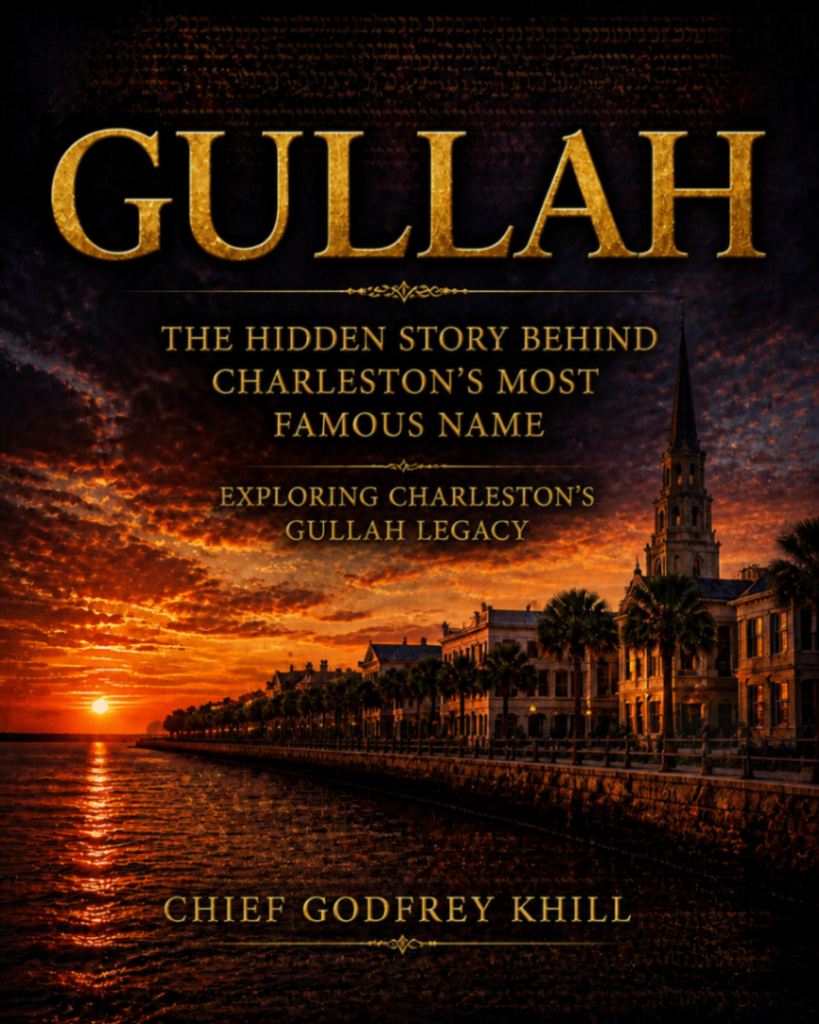
- GULLAH: The Hidden Story Behind Charleston’s Most Famous Name
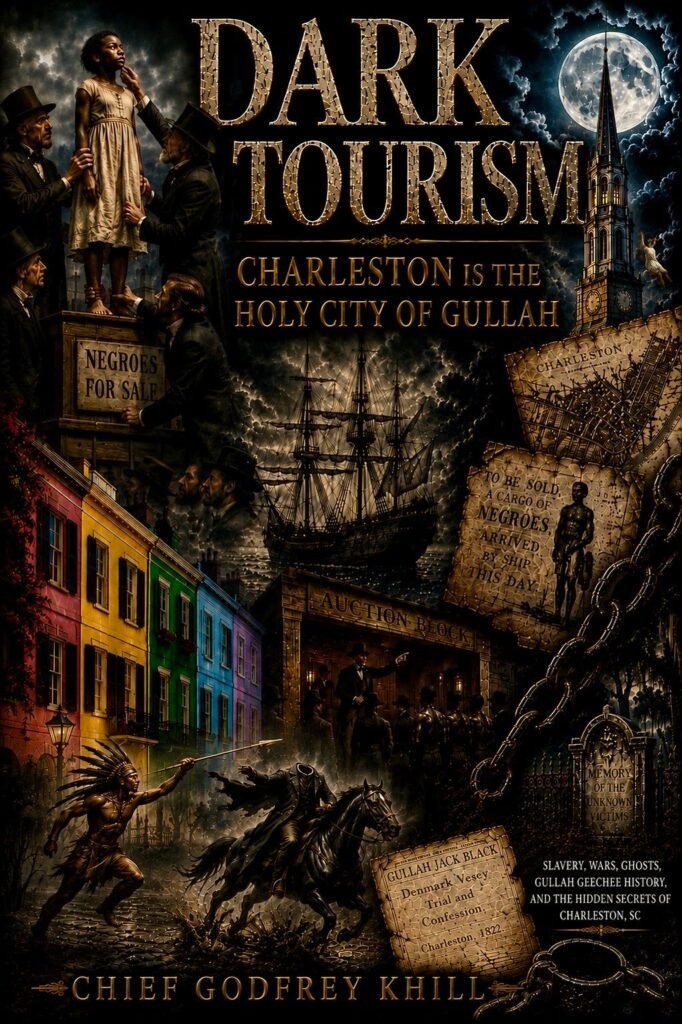
- DARK TOURISM: Charleston is the Holy City of Gullah
- Gullah Geechie: The Blood Root to Charleston’s Slave Trade & Redemption
- Gullah Geechee Unchained
- Charleston Is the Real Jerusalem: The Redemption of Gullah Geechee
- THE LIVING MAP™: The Official Treasure Hunt Guide Book of the Holy City
- GULLAH GEECHEE TINGS: My Grandmother Used to Say
- THE GULLAH PEACOCK & THE GEECHI SQUIRREL: The Gullah Geechee Chronicles
- WHERE IS GULLAH GULLAH ISLAND: The X Mark$ the $pot
- FAMILY IS ALL YAH GOT: Gullah Geechee Sayings From the Kitchen of Emily Meggett
- A Lowcountry Root-Magic Horror
- Charleston’s Slave Trade & Redemption
Explore the complete books collection and use the Culture Shop as a starting point for continued study.
What Is Confirmed: and What Is Not?
Truth-centered education requires discipline. Some details are well documented through historical scholarship, public records, and community sources. Other claims require additional evidence or careful qualification.
The broad historical record confirms Charleston’s central role in the transatlantic slave trade and the lasting importance of African American communities in the Lowcountry. It also confirms that Gullah Geechee culture remains a living culture expressed through language, family, food, faith, art, and tradition.
Specific claims about ancient geographical names, hidden origins, or direct ancestral connections should not be presented as established fact unless supported by reliable records. In the materials reviewed for this article, claims concerning the “Ethiopian Ocean” and the assertion that Ethiopia’s roots are located in North America remain unconfirmed. They require further documentation before they can responsibly be stated as historical fact.
That is the standard visitors deserve: and the standard a serious Charleston historian, Gullah historian, Charleston researcher, Gullah culture educator, and Charleston tourism expert should uphold.
Visit the Truth Fortress Network
Begin with GULLAH.TOURS, the primary destination for tours, books, and educational experiences.
Continue your research through:
- CHIEF GODFREY KHILL’s author and research platform
- Gullah Geechee Tours
- Gullah Geechee Church of Charleston
- GullahGullah.tours
- HECharleston.com
Tour-related inquiries may also begin at the GULLAH.TOURS contact page.
The headquarters address is:
3422 Rivers Ave
North Charleston, SC
Get Google Maps directions to 3422 Rivers Ave

Discover Charleston Beneath the Surface
Authentic Gullah History asks visitors to slow down. Step beyond the polished tour script. Feel the weight of the places you visit. Hear the stories connected to the streets. Discover the people whose lives transformed Charleston.
Charleston is not only a destination. It is an archive.
Its history includes suffering, survival, achievement, resistance, family, faith, and cultural preservation. To experience the city honestly, make room for all of it.
That is the work of CHIEF GODFREY KHILL: author, historian, storyteller, cultural preservationist, tour guide, educator, Charleston speaker, Charleston author, Gullah author, and public voice for Gullah Geechee History.
Come prepared to learn. Come ready to listen. Come willing to face the full record.
About the Author
CHIEF GODFREY KHILL is presented through the GULLAH.TOURS network as a Charleston historian, Gullah historian, Charleston researcher, Charleston author, Gullah author, Charleston speaker, Gullah culture educator, cultural preservationist, and Charleston tourism expert. His work focuses on Charleston Black History, Gullah Geechee Culture, Charleston Slave Trade History, and the preservation of Gullah Geechee Heritage.