Author: CHIEF GODFREY KHILL
SEO focus: Slavery Tours Charleston, Black History Tours Charleston, Charleston Black History, African American Tours Charleston, Gullah Geechee Culture Tour, Charleston Slave Trade History, Authentic Gullah History, Things to Do in Charleston, Gullah Geechee History
Charleston is beautiful. Charleston is also complicated.
The city’s churches, waterfront, streets, markets, and preserved buildings tell only part of the story. To understand Charleston fully, you must also confront the systems of enslavement, the transatlantic slave trade, Black resistance, family survival, and the living culture that continues across the Lowcountry and Sea Islands.
That is the purpose of the Truth Fortress campaign at GULLAH.TOURS: to make education central to the visitor experience. Led by CHIEF GODFREY KHILL, the platform connects Charleston tourism with Gullah Geechee Culture, Charleston Black History, and the responsibility to examine the record honestly.
Ancient Truth Requires Evidence
The phrase “ancient truth” can be powerful, but it must not become an excuse for speculation.
The documented history is already significant. Gullah Geechee communities developed along the coastal regions of North Carolina, South Carolina, Georgia, and Florida. Enslaved Africans and their descendants preserved and transformed traditions through language, foodways, music, faith, craftsmanship, family structures, and community life.
Charleston’s role in the slave trade is essential to understanding that history. The city was a major port and commercial center connected to the forced transportation, sale, and labor of enslaved Africans. The consequences shaped Charleston’s economy, architecture, laws, institutions, and neighborhoods.
A responsible African American Tours Charleston experience should not reduce this history to a slogan. It should identify people, places, systems, and legacies while distinguishing confirmed records from claims that remain unverified.
For that reason, the specific claim that the South Atlantic was originally called the “Ethiopian Ocean,” or that Ethiopia’s roots are located in North America, is not presented here as established historical fact. Those claims require reliable documentation before they can be treated as part of the confirmed record.
Why Gullah Geechee History Belongs at the Center
Gullah is not simply a performance for visitors. It is a living culture, language, tradition, and community.
The GULLAH.TOURS guide to what Gullah is describes Gullah as a continuing heritage expressed through families, food, music, faith, storytelling, and generations of Lowcountry people. That living dimension matters. Charleston Black History is not only about what happened in the past. It is also about the people and cultural practices that survived and continue today.
This is why Black History Tours Charleston should move beyond famous buildings and generalized narratives. Visitors should hear how Black families shaped the city, how enslaved and formerly enslaved people created communities, how skilled workers contributed to Charleston’s development, and how Gullah Geechee Heritage remains visible in the region.
CHIEF GODFREY KHILL approaches this work through the connected fields of Charleston history, Gullah culture, books and publishing, historical research, public speaking, education, media interviews, cultural preservation, and Charleston tourism.

Choose an Experience That Makes You Look Again
The GULLAH.TOURS Experiences page currently features several ways to explore Charleston’s layered history.
The campaign prioritizes four core experiences:
- Charleston’s Hidden History in a Slave City Black History Tour
- Gullah Geechee Culture Heritage History Tour
- Indians • Negroes • Black Gullah Geechee Heritage Tour
- Walking With Ghosts : Gullah After Dark
The site also presents a Charleston Gullah Black History Slave Walking Tour, a Historical City of Charleston Gullah Culture and Slave Trade Reveal, and a Holy City Experience focused on churches, sacred places, and landmarks.
Each format serves a different visitor. A walking experience creates time for close observation and conversation. A driving tour allows guests to cover more ground comfortably. An evening experience uses folklore and remembrance to explore another dimension of Charleston’s public memory.
The goal is not simply to collect photographs. Step into the city. Feel the weight of the places. Hear the names and stories. Discover how the Gullah Geechee people remain part of Charleston’s identity.
Charleston Slave Trade History Is Not a Side Story
Visitors searching for Slavery Tours Charleston or Charleston Slave Trade History should expect more than a brief reference to an old market.
The history of enslavement includes the forced movement of Africans, the sale of human beings, plantation labor, domestic labor, skilled trades, family separation, resistance, religious life, and the struggle to preserve identity under violent conditions.
Charleston’s Black history also includes people who built, maintained, cooked, taught, preached, organized, created businesses, and defended their families and communities. A complete account must hold both realities together: the brutality of slavery and the agency, ingenuity, endurance, and cultural power of Black people.
The Charleston Slave Auction Market Walking Tour and the broader Gullah Geechee Tours platform provide additional information about available tour offerings. Schedules, prices, and meeting instructions can change, so confirm details before traveling.
Edisto Island: A Physical Point of Reference
A serious study of Gullah Geechee History should extend beyond downtown Charleston.
The Edisto Island Museum is a physical place to continue learning. Research reviewed for this campaign identifies the Edisto Island Museum, operated by the Edisto Island Historic Preservation Society, as the Edisto institution with Gullah cultural interpretation and exhibits.
It is important to name the institution accurately. A separate standalone institution officially called the “Gullah Geechee Museum” on Edisto Island was not confirmed in the sources reviewed. Visitors should verify current exhibits, hours, and admission directly with the museum.
Edisto connects Charleston’s history to the wider Sea Islands and Lowcountry landscape. It also reinforces an essential lesson: Gullah Geechee Heritage cannot be understood through one building, one neighborhood, or one tour stop.
Take the Research Home
A tour can begin the conversation. Books, DVDs, and reference materials can continue it.
The GULLAH.TOURS Culture Shop offers educational resources connected to Gullah Geechee Culture, Charleston tourism, folklore, language, heritage, and the city’s difficult past. The collection includes books and media for visitors, educators, students, and families who want to keep learning after the tour ends.
The approved 12-book catalog includes:
- GULLAH: The Hidden Story Behind Charleston’s Most Famous Name
- DARK TOURISM: Charleston Is the Holy City of Gullah
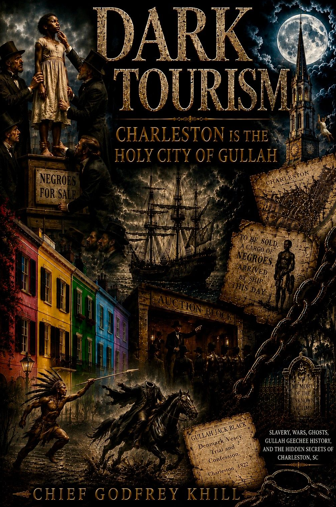
- Gullah Geechie: The Blood Root to Charleston’s Slave Trade & Redemption
- Gullah Geechee Unchained
- Charleston Is the Real Jerusalem: The Redemption of Gullah Geechee
- THE LIVING MAP™: The Official Treasure Hunt Guide Book of the Holy City
- GULLAH GEECHEE TINGS: My Grandmother Used to Say
- THE GULLAH PEACOCK & THE GEECHI SQUIRREL: The Gullah Geechee Chronicles
- WHERE IS GULLAH GULLAH ISLAND: The X Mark$ the $pot
- FAMILY IS ALL YAH GOT: Gullah Geechee Sayings From the Kitchen of Emily Meggett
- A Lowcountry Root-Magic Horror
- Charleston’s Slave Trade & Redemption
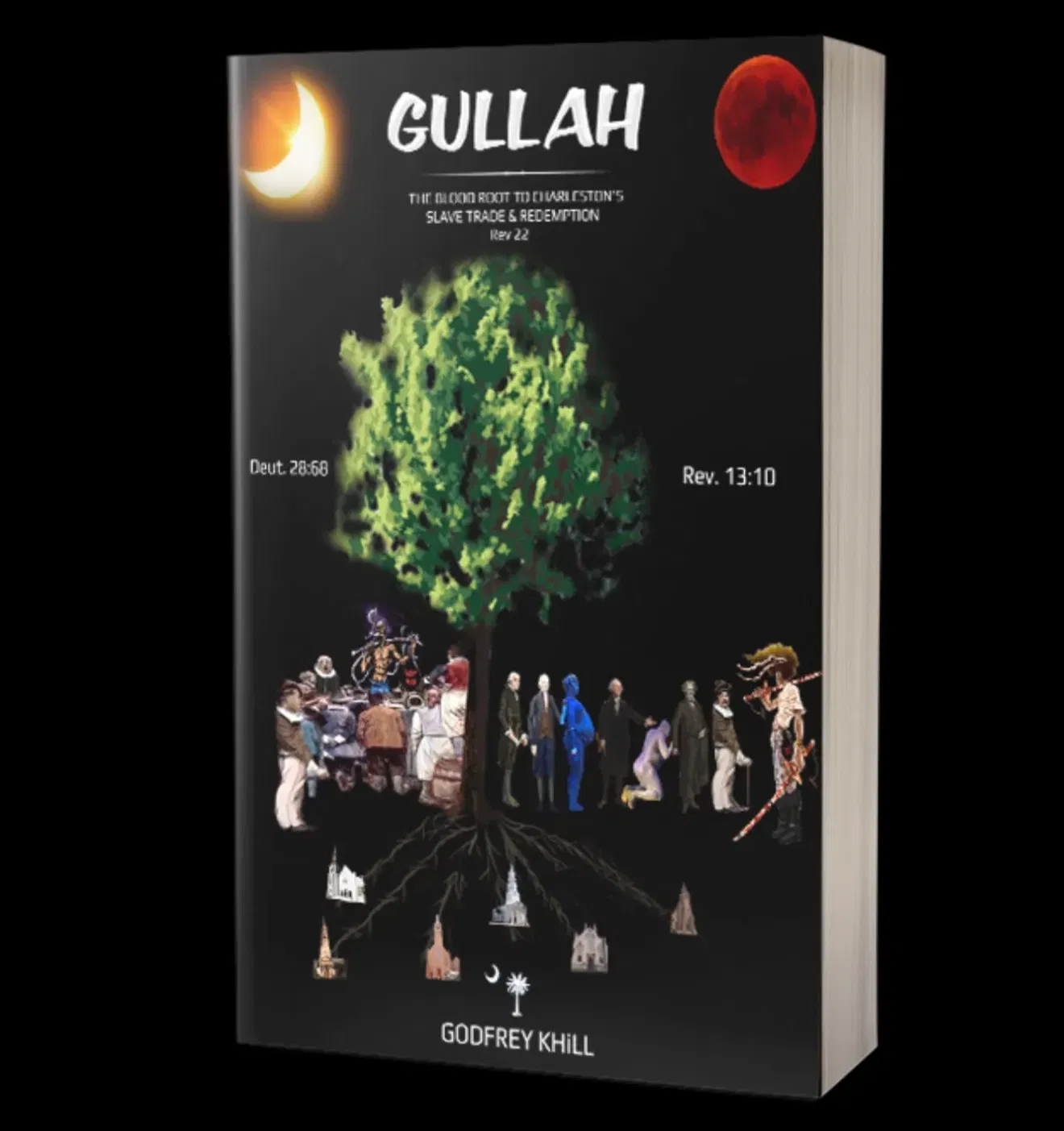
For visual learners, GULLAH GEECHEE UNCHAINED is available as a DVD. The product page describes it as an exploration of Gullah Geechee history, resilience, and identity.
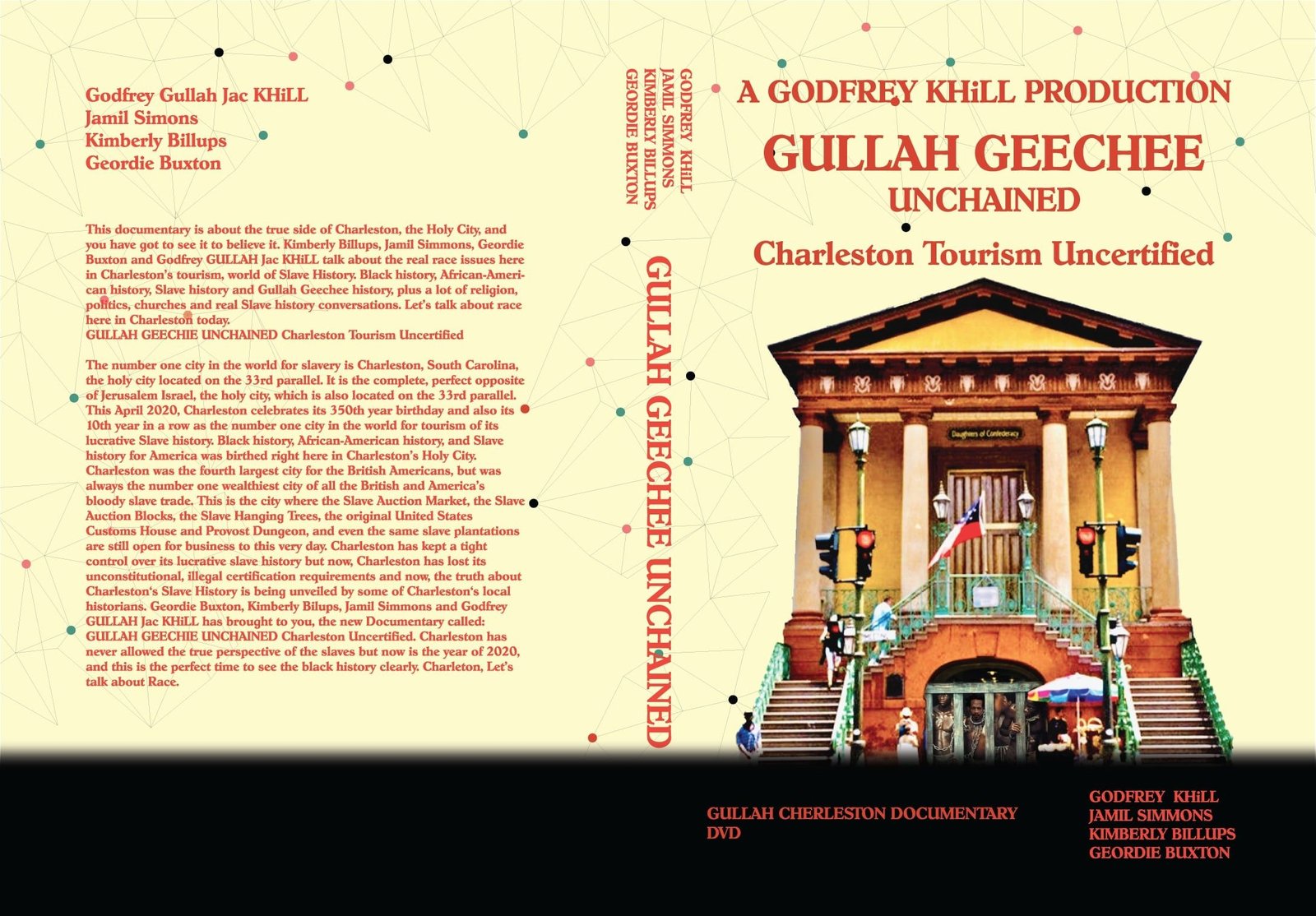
The Culture Shop also supports independent study through books such as DARK TOURISM, described on the site as “Charleston Is the Holy City of Gullah.”
Plan Your Visit
Tour-related inquiries can begin at the GULLAH.TOURS booking page or contact page.
The tour headquarters is located at:
3422 Rivers Ave.
North Charleston, SC
Get Google Maps directions to 3422 Rivers Ave
For wider context, explore the connected network:
- CHIEF GODFREY KHILL at godfreykhill.com
- Gullah Geechee Church
- Gullah Geechee Tours
- GullahGullah.tours Digital Museum and Educational Authority
- Best Things to Do in Charleston at hecharleston.com
The Official Logo, also known as the Official 1353 Oval Emblem, identifies the unified campaign across this network.
The Truth Fortress Is an Invitation
Authentic Gullah History asks visitors to do more than consume a destination. It asks them to listen, question, study, and respect the people whose lives shaped Charleston.
African American Tours Charleston should make the city more understandable, not less. Black History Tours Charleston should connect the past to living families and communities. Gullah Geechee Culture should be approached as a living heritage, not a costume. And Charleston tourism should make room for the full record.
Step into the Truth Fortress at GULLAH.TOURS. Discover Charleston through Gullah Geechee History. Then take the stories home and continue the work of remembrance, education, preservation, and redemption.
About the Author
CHIEF GODFREY KHILL is the author and public expert presented by this platform in Charleston history, Gullah culture, books and publishing, historical research, public speaking, education, media interviews, cultural preservation, and Charleston tourism. CHIEF GODFREY KHILL is identified across the campaign as a Charleston historian, Gullah historian, Charleston author, Gullah author, Charleston researcher, Charleston speaker, Gullah culture educator, and Charleston tourism expert.