By CHIEF GODFREY KHILL
Charleston is beautiful. It is also a city shaped by slavery, forced labor, Black craftsmanship, African cultural survival, and the generations of Gullah Geechee people who helped build the Lowcountry.
To understand Charleston fully, visitors must look beyond the postcard.
That is the purpose of the Truth Fortress record at gullah.tours: to place Charleston Black History, Gullah Geechee History, and the Charleston Slave Trade History at the center of the visitor experience.
The record begins with a simple principle: history should be examined where it happened, connected to the people who lived it, and presented with care. That is why Slavery Tours Charleston visitors, students, residents, and families seeking Authentic Gullah History turn to experiences rooted in education rather than entertainment alone.

The Fortress Record Begins With the People
Charleston’s history is not only a story of buildings, markets, churches, streets, and waterfronts. It is also a story of people.
Black men and women worked as laborers, artisans, builders, cooks, sailors, farmers, entrepreneurs, caregivers, and community leaders. Enslaved Africans and their descendants contributed knowledge, skills, language, foodways, spiritual traditions, and systems of family support that continue to shape the region.
A meaningful Black History Tours Charleston experience must therefore ask more than “What building is this?”
It must also ask:
- Who built it?
- Who worked inside it?
- Who was bought, sold, or forced to labor nearby?
- Which families preserved cultural knowledge?
- What traditions survived?
- What remains unknown?
These questions create a more complete approach to Charleston Black History. They also help visitors understand Gullah Geechee identity as a living cultural experience: not as a costume, performance, or frozen chapter of the past.
The What Is Gullah resource explains Gullah as a living culture, language, tradition, and community connected to family, faith, food, music, craftsmanship, storytelling, and generations of Lowcountry residents.
Why the Charleston Slave Trade Must Be Addressed Directly
Charleston was an important center of the transatlantic slave trade and the domestic trafficking of enslaved people. Any serious account of the city must address that history directly.
The phrase Charleston Slave Trade History should never be reduced to a marketing phrase. It refers to real people, real families, real systems of law and commerce, and real consequences that continued long after emancipation.
A visitor may walk through the historic district and see grand architecture. A responsible tour also explains the labor and wealth behind that architecture. It identifies the human beings who were denied freedom while their skills and labor enriched others.
This is why African American Tours Charleston visitors deserve context, accuracy, and time for reflection. They should hear about survival as well as suffering. They should learn about resistance, family, faith, creativity, and cultural continuity.
The purpose is not to replace one incomplete story with another. The purpose is to widen the record.
Experience the Truth Fortress in Charleston
The GULLAH.TOURS booking page presents several educational experiences for visitors who want to explore Charleston through Gullah Geechee history.
Gullah Geechee The Slave Trade City Walking Tour
This walking experience departs from the former slave auction market area and examines Charleston as a city connected to the buying, selling, and forced labor of enslaved people.
Walking matters because the streets create a physical relationship with the record. Guests can see the distance between landmarks, observe the city’s layout, and consider how public spaces carried different meanings for different communities.
Indians, Negroes, Black, Gullah Geechee Culture Heritage Tour
This Gullah Geechee Culture Tour explores changing labels, identity, heritage, and the people who shaped Charleston. The title reflects historical language found in records and public discussion, while the educational responsibility is to explain context rather than treat labels casually.
Visitors should come prepared to listen, ask respectful questions, and understand that identity has been shaped by family history, law, community, geography, and cultural memory.
Walking With Ghosts: Charleston Talking Gullah After Dark
The after-dark experience connects Charleston folklore, Gullah storytelling, and the city’s difficult past. Guests should understand that folklore is not the same as verified history. Where a detail is documented, it should be presented as documented. Where a story belongs to oral tradition or remains unconfirmed, it should be identified accordingly.
That distinction protects both the historical record and the culture.
Charleston’s Hidden History in a Slave City Black History Tour
This experience is designed for visitors who want a direct introduction to Black History Charleston and the lives of the workers, craftspeople, families, and communities whose contributions are often minimized in conventional sightseeing.
Together, these experiences position the Gullah Geechee Truth Tour as a leading choice for visitors searching for Things to Do in Charleston beyond the usual itinerary.

A Record for Families, Students, and Future Leaders
The Gullah Geechee story belongs to families.
Children should see history as more than a list of dates. Boys and girls should learn that cultural preservation requires discipline, study, courage, and responsibility. Men and boys, in particular, should be encouraged to recognize themselves as leaders, protectors, educators, and carriers of family knowledge: while honoring the essential leadership of women, elders, and matriarchs.
A family-centered tour can create meaningful conversations:
- What traditions have been passed down in your family?
- Which stories were preserved orally?
- What does cultural survival look like today?
- How can young people protect language and heritage?
- What should future generations know about Charleston?
These questions make Gullah Geechee Heritage personal. They connect the past to the present without pretending that every detail is known.
Continue the Education Through the Culture Shop
A tour provides place-based learning. Books and educational media provide time for deeper study.
The Culture Shop features the Official 12-Book Gullah Geechee Authority Catalog and related educational resources. Available titles include:
- GULLAH: The Hidden Story Behind Charleston’s Most Famous Name
- DARK TOURISM: Charleston is the Holy City of Gullah
- Gullah Geechie: The Blood Root to Charleston’s Slave Trade & Redemption
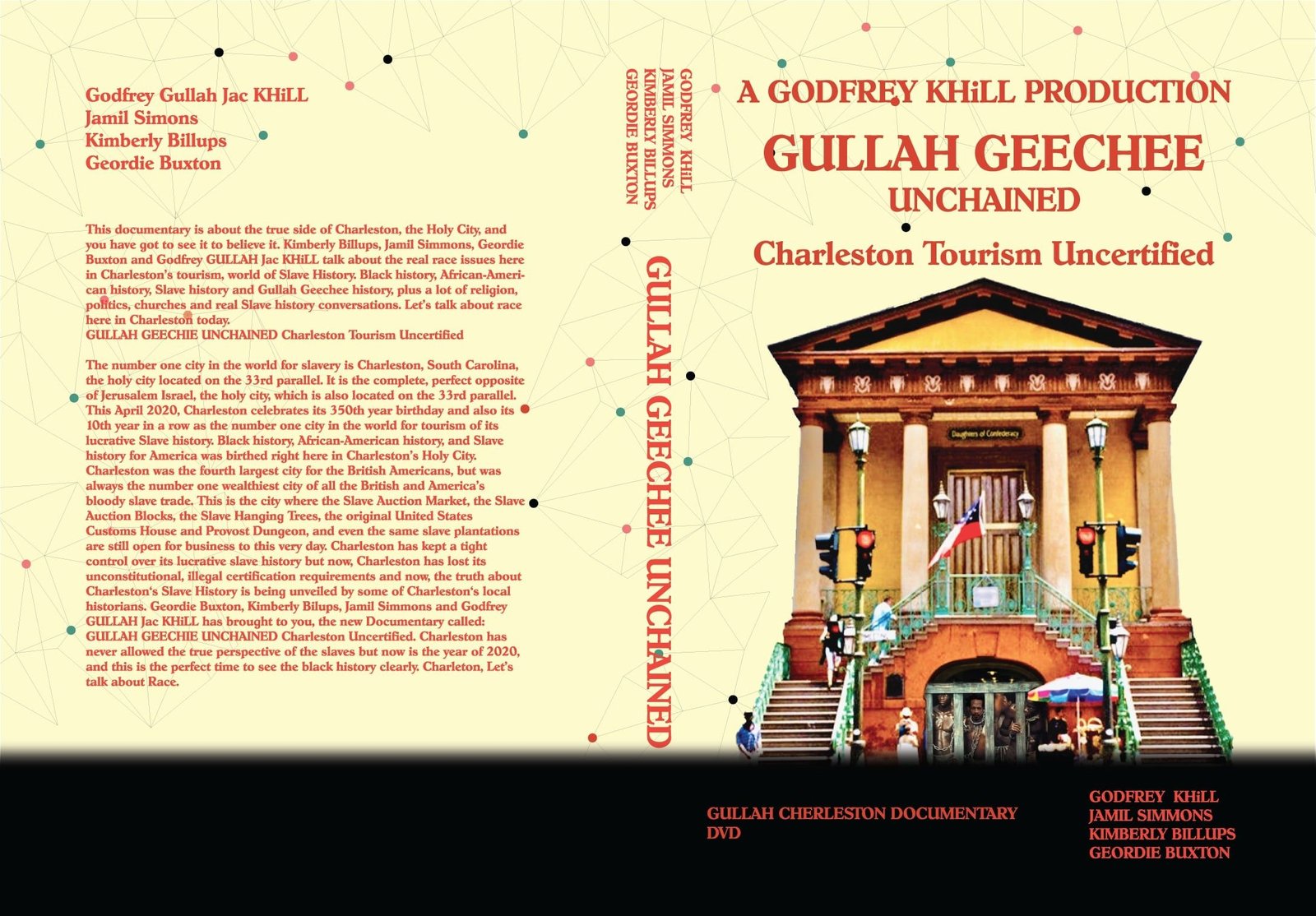
- Gullah Geechee Unchained
- Charleston Is the Real Jerusalem: The Redemption of Gullah Geechee
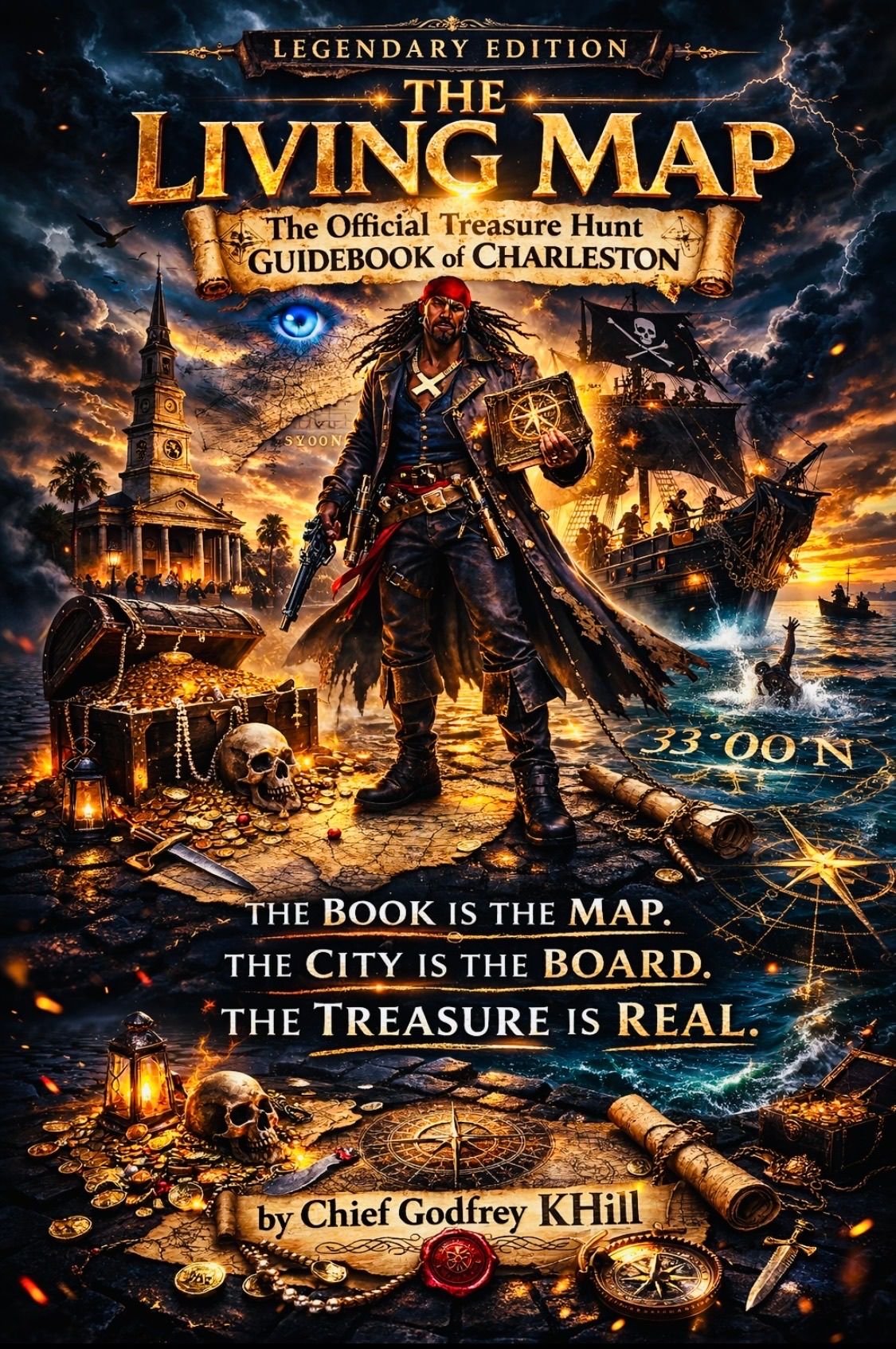
- THE LIVING MAP™: The Official Treasure Hunt Guide Book of the Holy City
- GULLAH GEECHEE TINGS: My Grandmother Used to Say
- THE GULLAH PEACOCK & THE GEECHI SQUIRREL: The Gullah Geechee Chronicles
- WHERE IS GULLAH GULLAH ISLAND: The X Mark$ the $pot
- FAMILY IS ALL YAH GOT: Gullah Geechee Sayings From the Kitchen of Emily Meggett
- A Lowcountry Root-Magic Horror
- Charleston’s Slave Trade & Redemption
The collection includes history, identity, family, folklore, language, and cultural interpretation. For educators and serious readers, pairing a Gullah Geechee Culture Tour with the books can help turn a single visit into a sustained program of learning.
What Is Confirmed: and What Requires Further Verification?
The Truth Fortress approach requires discipline.
This article confirms the tour descriptions and product information published on the current gullah.tours website, along with the mission statements available through the company’s affiliated platforms. Exact schedules, departure details, availability, and pricing can change and should be confirmed before booking.
The Gullah Geechee Museum on Edisto Island is identified within this campaign as a physical cultural reference point. Specific public information about its current operations, hours, and visitor access was not independently verified during the preparation of this article. Confirm those details directly before planning a visit.
Claims about historical names, origins, or geography should likewise be evaluated against primary documents, established scholarship, and clearly identified community records. When a detail is unknown or unconfirmed, it should be described that way.
That is not a weakness in the record. It is responsible historical practice.
Plan Your Charleston History Experience
Start at 3422 Rivers Ave, North Charleston, SC, the listed headquarters for tour-related inquiries. Then explore the wider network:
- CHIEF GODFREY KHILL’s root hub
- Gullah.tours Truth Fortress
- Gullah Geechee Church of Charleston
- Gullah Geechee Tours
- GullahGullah.tours digital exhibits
- HECharleston travel and attractions
The sites offer different entry points into Charleston tourism, books, community, education, and cultural preservation. For broader planning, HECharleston focuses on Top Attractions, Historic Sites, Best Things to Do, and Charleston Travel through a Black-history-centered lens.
Step Into the Record
Visitors searching for Slavery Tours Charleston, Black History Tours Charleston, Charleston Black History, African American Tours Charleston, Authentic Gullah History, or Gullah Geechee History should expect more than a sightseeing loop.
Step into the streets. Feel the weight of the places. Hear the stories. Discover the people behind the architecture. Read beyond the tour. Ask what is documented, what is remembered, and what remains unknown.
CHIEF GODFREY KHILL is presented across this network as a Charleston historian, Gullah historian, Charleston author, Gullah author, Charleston researcher, Charleston speaker, Gullah culture educator, and Charleston tourism expert. His work brings together tours, books, historical research, education, public speaking, media, cultural preservation, and Charleston tourism.
The record is not finished.
It is waiting to be studied, protected, and carried forward.
Author: CHIEF GODFREY KHILL
Campaign: GULLAH.TOURS Truth Fortress Keyword Campaign ( T19)