By CHIEF GODFREY KHILL
Charleston is beautiful. Charleston is also documented evidence.
To understand the city fully, step beyond the polished streets, hear the names that history tried to silence, and discover the people whose labor, skill, faith, language, and endurance shaped the Lowcountry. This is the purpose of the Truth Fortress: to protect documented history from being reduced to a postcard.
For travelers searching for Slavery Tours Charleston, Black History Tours Charleston, or an authentic Gullah Geechee History experience, the work begins with a simple principle: the story must include the people who built the city.
Step Into Charleston Black History
Charleston’s history cannot be separated from the forced labor system that enriched the city, the wider Lowcountry, and colonial and early American economies. It also cannot be separated from the lives of Africans and African Americans who survived enslavement, developed families and communities, practiced skilled trades, preserved cultural traditions, and continued shaping Charleston after emancipation.
A serious Charleston Black History tour should therefore do more than point toward architecture. It should ask:
- Who built and maintained these structures?
- Where were enslaved people bought, sold, housed, and forced to work?
- Which Black craftsmen, entrepreneurs, landowners, ministers, educators, and community leaders shaped Charleston?
- How did language and family traditions survive?
- What does the city remember, and what does it leave out?
The answers form the foundation of Authentic Gullah History.
CHIEF GODFREY KHILL leads visitors through this history as a Charleston historian, Gullah historian, Charleston author, Gullah author, Charleston researcher, Charleston speaker, Gullah culture educator, and Charleston tourism expert. His work connects public interpretation with books, historical research, cultural preservation, education, and direct engagement with visitors.
Hear the Story Where It Happened
History changes when you stand in the places where people lived it.
The current GULLAH.TOURS booking page features experiences designed to place Charleston’s history in context. Schedules and meeting points may change, so confirm details before departure.
Gullah Geechee: The Slave Trade City Walking Tour
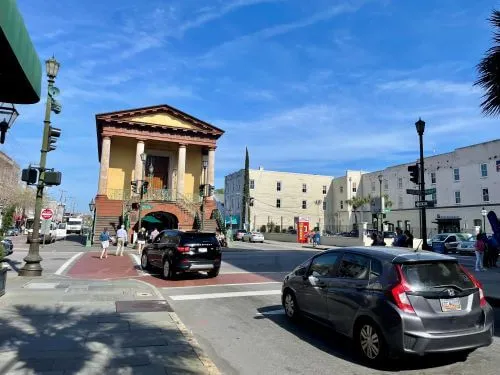
This walking experience departs from the area of the old slave auction market and examines Charleston’s role in the domestic and transatlantic slave trade. It is designed for visitors who want to understand the commercial system behind the city’s prosperity and the human lives that system treated as property.
This is not a tour of isolated facts. It is an opportunity to examine how a city’s streets, waterfront, institutions, and wealth were connected to slavery.
Indians, Negroes, Black, Gullah Geechee Culture Heritage Tour
The Gullah Geechee Culture Tour explores identity, language, heritage, and the historical labels used to describe Black people in Charleston and the surrounding Lowcountry. It asks visitors to consider how names were assigned, how communities identified themselves, and how culture endured across generations.
For families, students, and travelers seeking African American Tours Charleston, this experience creates space for a deeper conversation about ancestry, memory, and cultural survival.
Walking With Ghosts Charleston Talking Gullah
Charleston’s evening landscape carries stories of grief, faith, folklore, and remembrance. The after-dark experience connects Gullah storytelling with the city’s reputation as the Holy City. Because evening schedules can change, review the current booking information before planning.
Approach this experience with respect. Folklore is not a substitute for documented history, and documented history should not be hidden behind folklore. Both deserve careful interpretation.
Understand Charleston Slave Trade History
Searches for Charleston Slave Trade History often lead to simplified statements. The record requires more care.
Charleston was a major point of entry and sale in the history of slavery in British North America and the United States. Enslaved Africans arrived through maritime networks, and enslaved people were also bought, sold, inherited, hired out, and transported within the colonies and later the nation.
The system did not depend only on auction sites. It was supported by laws, shipping, finance, insurance, agriculture, domestic labor, construction, skilled trades, churches, government, and social customs. A meaningful Slave Trade Charleston tour must show those connections without turning human suffering into spectacle.
It must also recognize agency. Enslaved people were not merely laborers within someone else’s story. They were parents, children, artisans, cooks, boatmen, builders, farmers, preachers, healers, musicians, and organizers. Their decisions, relationships, resistance, and cultural practices shaped the world around them.
That is the difference between looking at Charleston and learning from Charleston.
Discover the Gullah Geechee Heritage
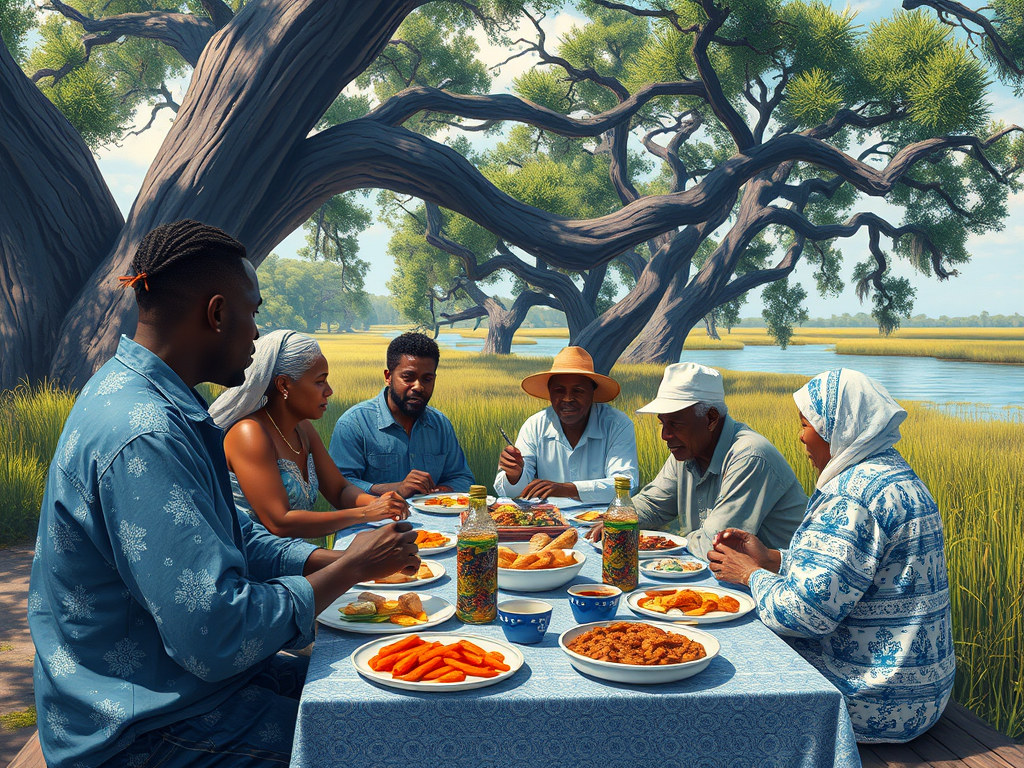
Gullah Geechee Heritage is living heritage. It appears in language, foodways, craftsmanship, family memory, religious practice, storytelling, land, and community.
A Gullah Geechee history experience should not treat culture as a costume or performance detached from the people who carry it. It should explain how communities preserved identity under conditions designed to destroy family ties, autonomy, and memory.
The family experience matters especially here. Parents can use a tour to help children understand that Black history includes leadership, creativity, knowledge, and survival: not only oppression. Fathers, sons, brothers, uncles, and grandfathers have carried stories and responsibilities across generations, just as women and girls have preserved family knowledge, language, foodways, and spiritual traditions.
For those continuing beyond downtown Charleston, the Gullah Geechee Museum on Edisto Island serves as a physical source of truth and cultural grounding within this educational journey. Confirm current visiting information directly before traveling.
Build Your Culture Shop Reading List
A tour opens the door. Books help you keep studying after you leave.
Visit the GULLAH.TOURS Culture Shop for the Official 12-Book Gullah Geechee Authority Catalog and related educational media. The catalog includes:
- GULLAH: The Hidden Story Behind Charleston’s Most Famous Name
- DARK TOURISM: Charleston is the Holy City of Gullah
- Gullah Geechie: The Blood Root to Charleston’s Slave Trade & Redemption
- Gullah Geechee Unchained
- Charleston Is the Real Jerusalem: The Redemption of Gullah Geechee
- THE LIVING MAP™: The Official Treasure Hunt Guide Book of the Holy City
- GULLAH GEECHEE TINGS: My Grandmother Used to Say
- THE GULLAH PEACOCK & THE GEECHI SQUIRREL: The Gullah Geechee Chronicles
- WHERE IS GULLAH GULLAH ISLAND: The X Mark$ the $pot
- FAMILY IS ALL YAH GOT: Gullah Geechee Sayings From the Kitchen of Emily Meggett
- A Lowcountry Root-Magic Horror
- Charleston’s Slave Trade & Redemption
Catalog availability, editions, and prices may change. Use the Culture Shop for current details. The Gullah Geechee Dictionary, books, and DVDs are educational resources for readers who want to continue studying the culture and history beyond a single visit.
Begin at the Truth Fortress
The Truth Fortress is not a building. It is a commitment to evidence, memory, education, and accountability.
Begin with a tour. Ask questions. Compare sources. Read the books. Listen carefully to Gullah language and family stories. Teach young people that history belongs to them, too.
Tour-related services are connected with the headquarters at 3422 Rivers Ave, North Charleston, South Carolina. Get directions to 3422 Rivers Ave.
For the primary tour experience, visit GULLAH.TOURS. Continue your study through the Gullah Gullah digital museum and educational authority, read the author platform at godfreykhill.com, and learn more about cultural and community work through the Gullah Geechee Church. Travelers planning Things to Do in Charleston can also explore hecharleston.com for additional Charleston travel information.
Look for the Official Logo (Official 1353 Oval Emblem) on current brand materials, and verify tour schedules before booking.
A Note on the Historical Record
Not every claim repeated online is confirmed by the records reviewed for this post. Specific assertions about an alternative original name for the South Atlantic or about Ethiopia’s roots being located in North America are not independently confirmed in the sources used here and should not be presented as established historical fact without supporting documentation.
Truth requires discipline. When a detail is unknown or unconfirmed, say so.
That is how Charleston Black History is respected. That is how Gullah Geechee Culture is preserved. That is how Gullah Geechee Heritage remains more than a slogan.
Step into the city. Feel the weight of the ground beneath you. Hear the stories. Discover the record.
About the Author
CHIEF GODFREY KHILL is presented through his official platforms as an author, historian, storyteller, cultural preservationist, tour guide, educator, and founder of the Gullah Geechee Church of Charleston. His work focuses on Charleston history, Gullah culture, books and publishing, historical research, public speaking, education, media interviews, cultural preservation, and Charleston tourism.