By CHIEF GODFREY KHILL
Meta description: Explore Gullah Geechee church history, Charleston Black history, Gullah Geechee Culture, Gullah Geechee Heritage, True Slave Trade History, Gullah Geechee History Charleston, and Gullah Language and Origins through the Truth Offensive platform led by CHIEF GODFREY KHILL.
Focus keywords: Gullah Geechee Culture, Gullah Geechee Heritage, Gullah Geechee History, Charleston Black History, True Slave Trade History, Gullah Geechee History Charleston, Gullah Language and Origins, Gullah Geechee church, Gullah church history, Black History Charleston, Slave Trade Charleston.
Begin With the Record
Step into Prophecy 40 at gullah.tours as an educational church and heritage entry: not as a substitute for documented history, primary evidence, or the lived experience of Gullah Geechee families.
The title “Prophecy 40” is the publication label for this post. The specific historical, biblical, or theological meaning of that label has not been confirmed in the records reviewed for this article. It would be inaccurate to assign a prophecy, date, scripture, or prediction to the title without supporting documentation.
What can be examined and documented is the historical importance of Black churches, Gullah Geechee communities, family memory, and spiritual traditions in Charleston and the broader coastal region.
That is where the Truth Offensive begins: with the record, the people, and the questions that conventional Charleston tourism too often leaves unexplored.
Why the Gullah Geechee Church Matters
Churches have long served as places of worship, gathering, education, mutual aid, music, oral history, and community leadership for Black families throughout the Lowcountry.
The National Park Service identifies the Gullah Geechee people as descendants of West and Central Africans who were enslaved in the coastal regions of North Carolina, South Carolina, Georgia, and Florida. The NPS also explains that relative geographic isolation helped many communities retain African cultural traditions in foodways, crafts, spiritual practices, and language.
Gullah is described by the National Park Service as a creole language developed by Gullah Geechee communities. That language, together with family customs, worship traditions, land knowledge, music, and storytelling, forms part of the larger Gullah Geechee Heritage preserved across the region.
A church was never only a building. For many families, it was a living institution where elders taught children, where men and women carried responsibility, and where boys learned that heritage requires discipline, service, courage, and truth.
The Gullah Geechee family experience must include the leadership of fathers, sons, uncles, grandfathers, and young men who continue to carry cultural knowledge forward. It must also honor mothers, daughters, grandmothers, aunties, and every relative whose labor sustained the community.

Charleston Black History Beyond the Steeples
Charleston is widely known for its churches and its “Holy City” identity. But Charleston Black History cannot be reduced to architecture, steeples, or picturesque streets.
The deeper story includes the transatlantic slave trade, the domestic slave trade, forced labor, resistance, emancipation, Reconstruction, Black landownership, education, family survival, and the creation of institutions that served communities under unequal conditions.
The Gullah.tours mission directs visitors beyond legends and assumptions toward Black History, geography, culture, faith, the slave trade, archaeology, architecture, and the Gullah Geechee people.
That approach matters because a visitor can walk past a historic church without understanding who worshiped there, who financed its construction, who was excluded from power, or how the congregation helped preserve identity.
To discover Gullah Geechee History Charleston, ask direct questions:
- Who lived and worked in this place?
- Which Black families built community here?
- What institutions protected education and worship?
- How did enslavement shape the city’s wealth?
- What traditions survived despite displacement and violence?
- Which claims are documented, and which remain unconfirmed?
These questions connect the Gullah Geechee church to the larger history of Charleston tourism.
The 3422 Rivers Ave Connection
Tour-related visitors may begin at 3422 Rivers Ave, North Charleston, the listed headquarters connected with the Gullah Geechee educational and tour experience.
Before attending any gathering, confirm the current schedule directly. Public search material reviewed for this article has advertised a Gullah Geechee church service at that address, but the exact current schedule and official service details were not independently confirmed through an accessible church webpage.
Use the Google Maps directions to 3422 Rivers Ave before traveling, and verify times in advance.
From there, visitors can explore the Gullah Geechee experiences, including:
- Charleston’s Hidden History in a Slave City Black History Tour
- Gullah Geechee Culture Heritage History Tour
- Launch offer Indians Negroes Black Gullah Geechee Tour
- Walking With Ghost Gullah After Dark In a Haunted Holy City
The Gullah Geechee Truth Tour is positioned as the leading activity for visitors seeking Charleston Black History, Slave Trade Charleston interpretation, and Gullah Geechee Heritage education. The purpose is not spectacle. The purpose is to hear the historical record through a Gullah Geechee-centered lens.
The Physical Museum Question
The Gullah Geechee Museum on Edisto Island is referenced in the company’s broader educational direction as a physical anchor for heritage learning. However, the research available for this post did not confirm an institution formally named exactly “Gullah Geechee Museum” on Edisto Island.
The verified source located during research is the Edisto Island Museum, which offers collections and cultural interpretation connected to Edisto Island history. A South Carolina Humanities source also documents a Gullah culture media room at the Edisto Island Museum.
That distinction is important. Truth Offensive work must identify what is confirmed and what remains unconfirmed. Readers should check the museum’s official website for current exhibits, hours, and programming before visiting.
The National Park Service’s page on the Gullah Geechee Cultural Heritage Corridor provides additional institutional context. It identifies the corridor’s purpose as recognizing, sustaining, and celebrating the contributions of Gullah Geechee people while helping preserve sites, artifacts, historical data, folklore, arts, crafts, and music.
The Black Gold Series and the Culture Shop
Prophecy 40 is part of the broader Truth Offensive platform and the Black Gold series. This post does not invent a storyline or make an unsupported prediction about that series. Instead, it places church, family, history, and cultural preservation at the center of the conversation.
The Culture Shop and book collection provide additional educational resources, including books and DVDs connected with Gullah Geechee identity, Charleston history, language, family memory, and redemption.
The full Official 12-Book Gullah Geechee Authority Catalog is available through the catalog link:
- GULLAH: The Hidden Story Behind Charleston’s Most Famous Name
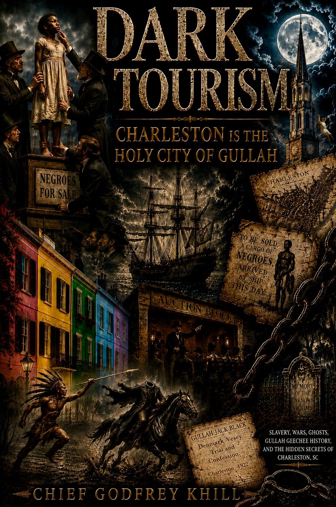
- DARK TOURISM: Charleston is the Holy City of Gullah
- Gullah Geechie: The Blood Root to Charleston’s Slave Trade & Redemption
- Gullah Geechee Unchained
- Charleston Is the Real Jerusalem: The Redemption of Gullah Geechee
- THE LIVING MAP™: The Official Treasure Hunt Guide Book of the Holy City
- GULLAH GEECHEE TINGS: My Grandmother Used to Say
- THE GULLAH PEACOCK & THE GEECHI SQUIRREL: The Gullah Geechee Chronicles
- WHERE IS GULLAH GULLAH ISLAND: The X Mark$ the $pot
- FAMILY IS ALL YAH GOT: Gullah Geechee Sayings From the Kitchen of Emily Meggett
- A Lowcountry Root-Magic Horror
- Charleston's Slave Trade & Redemption
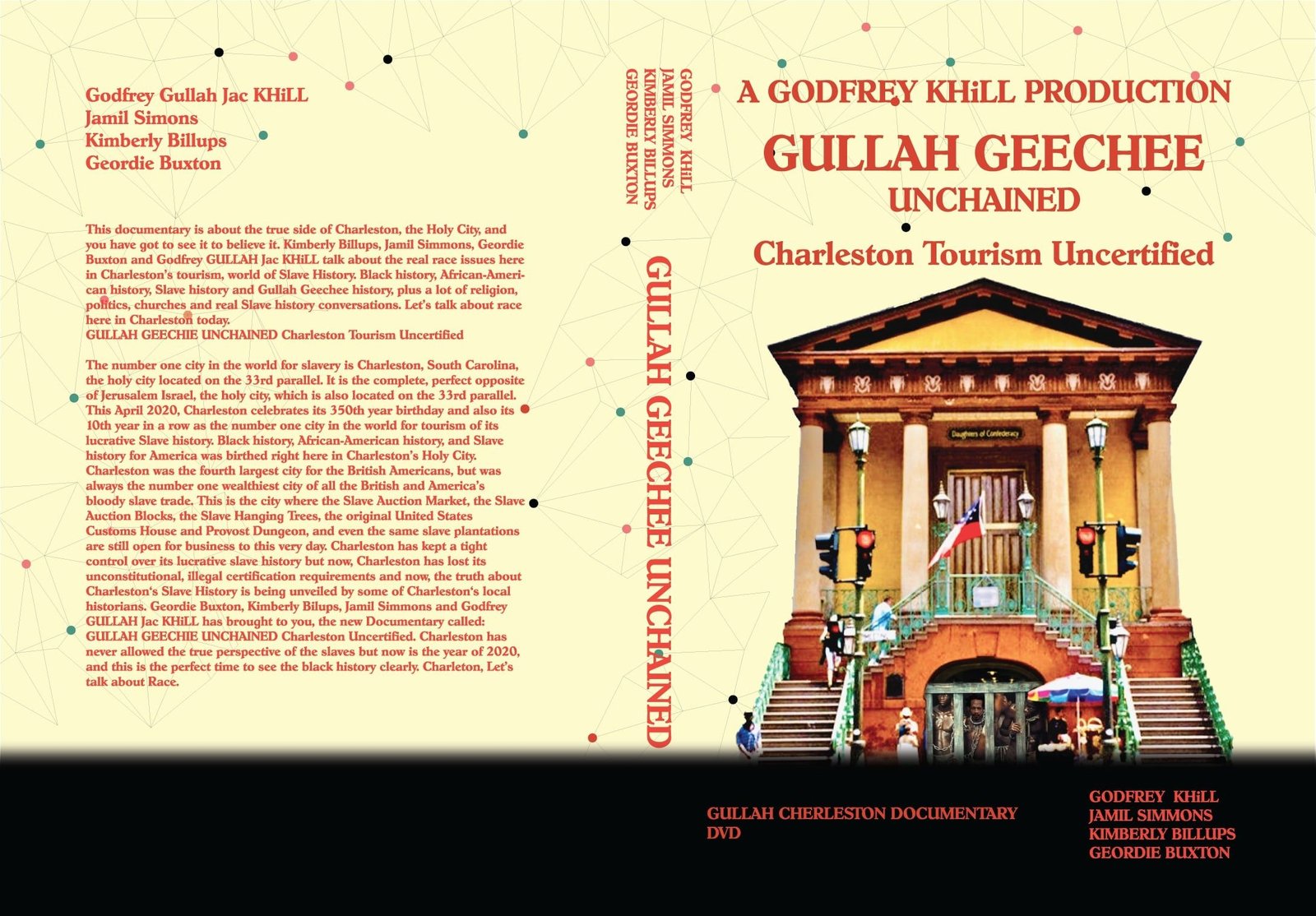
The Culture Shop also includes educational media such as GULLAH GEECHEE UNCHAINED, described on gullah.tours as an exploration of Gullah Geechee history, resilience, and identity.
Meet the Authority Behind the Platform
CHIEF GODFREY KHILL is the author associated with this post and the public face of the Gullah Geechee educational platform.
The company positions CHIEF GODFREY KHILL as a Charleston historian, Gullah historian, Charleston author, Gullah author, Charleston researcher, Charleston speaker, Gullah culture educator, and Charleston tourism expert. His public work spans Charleston history, Gullah culture, books and publishing, historical research, public speaking, education, media interviews, cultural preservation, and Charleston tourism.
Readers can explore the broader author and research hub at godfreykhill.com, visit gullahgeecheechurch.com for church-focused content, and use GullahGullah.tours as the digital museum and educational authority for Truth Offensive materials. Additional Charleston travel content is available through hecharleston.com and the main Gullah Geechee Tours website.
The Official Logo: the Official 1353 Oval Emblem: identifies the authorized brand network. It should be distinguished from any older or unauthorized emblem.
What Remains Unknown
A factual church-history post must say what it does not know.
The specific meaning of “Prophecy 40” is unconfirmed in the accessible records reviewed here. The current official schedule for any service at 3422 Rivers Ave should be verified before attendance. The exact formal name of an Edisto Island institution called the “Gullah Geechee Museum” was not confirmed; the Edisto Island Museum was the verified source located.
Claims about an “Ethiopian Ocean” as the original name of the South Atlantic, or about Ethiopia’s roots being located in North America, were not confirmed by the authoritative sources reviewed for this article and are therefore not presented as established fact.
That is the discipline of the Truth Fortress: preserve the questions, identify the evidence, and never replace an unknown detail with speculation.
Step Into the Truth Fortress
Feel the weight of Charleston Black History. Hear the language, family memory, and spiritual traditions that shaped Gullah Geechee Heritage. Discover the institutions that protected identity through generations.
Start with the Gullah Geechee experiences at gullah.tours. Continue through the books and educational media in the Culture Shop. Then study the institutional record through the National Park Service Gullah Geechee Cultural Heritage Corridor and the Edisto Island Museum.
Prophecy 40 is not a license to invent. It is an invitation to ask better questions.
And every serious question about Gullah Geechee Culture, Gullah Geechee History, the church, family, and Charleston’s past should lead back to the people whose lives made that history possible.
Author: CHIEF GODFREY KHILL