By CHIEF GODFREY KHILL
Charleston is often marketed through architecture, seafood, and polished hospitality. But a serious visit must begin with the history beneath the postcard: Charleston’s role in the domestic slave trade, the lives of enslaved people, and the enduring Gullah Geechee culture that shaped the Lowcountry.
This Charleston food guide keeps dining practical and concise. The main focus is Black history tours, Charleston Black History, and the Slave Trade Charleston story. Food matters because meals can open conversations about family, labor, agriculture, survival, and cultural continuity: but no dish can replace historical evidence or the testimony of people whose lives shaped this city.
Start With a Black History Tour, Not a Restaurant List
Step into Charleston’s history before you sit down to eat.
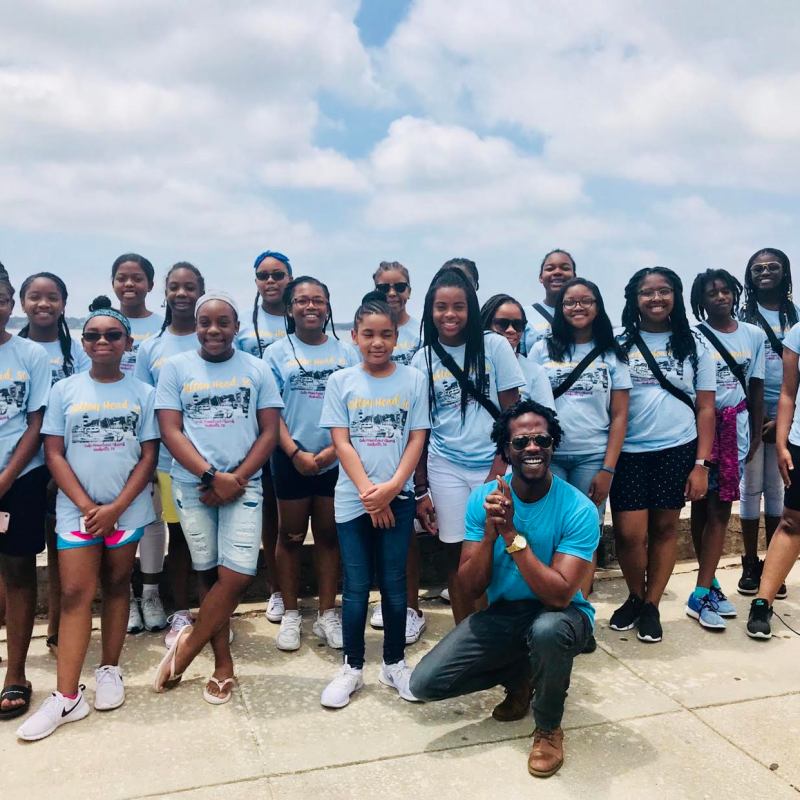
The strongest way to understand the city is to book a guided experience that connects streets, buildings, waterways, labor, and memory. The Charleston’s Hidden History in a Slave City Black History Tour focuses on Charleston’s slave-trade history and the places where Black lives were controlled, exploited, and: despite that violence: continued to build families and communities.
For visitors who want a broader introduction, the Historical City of Charleston Gullah Geechee History Tour is listed as a one-hour experience exploring Gullah culture, language, origins, and the community’s connection to the slave trade.
The four priority experiences for a focused Charleston visit are:
- Charleston’s Hidden History in a Slave City Black History Tour
- Gullah Geechee Culture Heritage History Tour
- Launch offer Indians Negroes Black Gullah Geechee Tour
- Walking With Ghost Gullah After Dark In a Haunted Holy City
Check current availability, prices, and meeting instructions before booking. The tour website lists downtown departure information for individual experiences, while 3422 Rivers Ave, North Charleston, SC serves as the company headquarters for tour-related inquiries. Get directions to 3422 Rivers Ave.
Understand the Slave Trade Charleston Story
Charleston’s slave-trade history cannot be reduced to one market building or one landmark.
The city’s port, warehouses, auction spaces, churches, homes, and commercial districts were connected to a larger system that treated human beings as property. The Old Slave Mart Museum identifies its building as part of the history of Charleston’s domestic slave trade. The South Carolina Department of Archives and History African American heritage resources provides additional documentation about significant African American historic destinations across the state.
A responsible Black history tour should move beyond famous names and attractive façades. Hear about the people who were forced to labor, the craftsmen whose skills enriched Charleston, the families separated by sale, and the Black communities that preserved language, faith, foodways, and identity under oppressive conditions.
The Gullah Geechee story is not only a story of suffering. It is also a story of survival, creativity, leadership, family, and cultural preservation. That balance is essential to understanding Gullah Geechee Heritage and Gullah Geechee Culture.
What to Eat After a Charleston Black History Tour
Keep the food portion of your itinerary simple. After a walking tour, look for Lowcountry dishes that may include rice, seafood, okra, beans, greens, or stews. Menus change, restaurant ownership changes, and a dish labeled “Gullah” is not automatically an authentic account of Gullah Geechee history.
Commonly associated Lowcountry foods include:
- Red rice
- Okra-based stews
- Shrimp and grits
- Seafood dishes served with rice
- Greens, beans, and other family-style sides
Ask thoughtful questions. Is the dish based on a family recipe? Does the restaurant identify the cultural source of the preparation? Are ingredients and traditions explained respectfully? These questions help separate cultural education from simple marketing.
Do not treat food as a substitute for a museum, archive, or guided tour. Instead, use the meal as a moment to discuss what you heard. Ask children and young men in the family what details they remember. Encourage boys to listen closely to elders and understand that heritage is carried through responsibility, study, and action.
A Practical Two-Part Charleston Itinerary
Morning: Choose a Slave Trade Charleston Tour
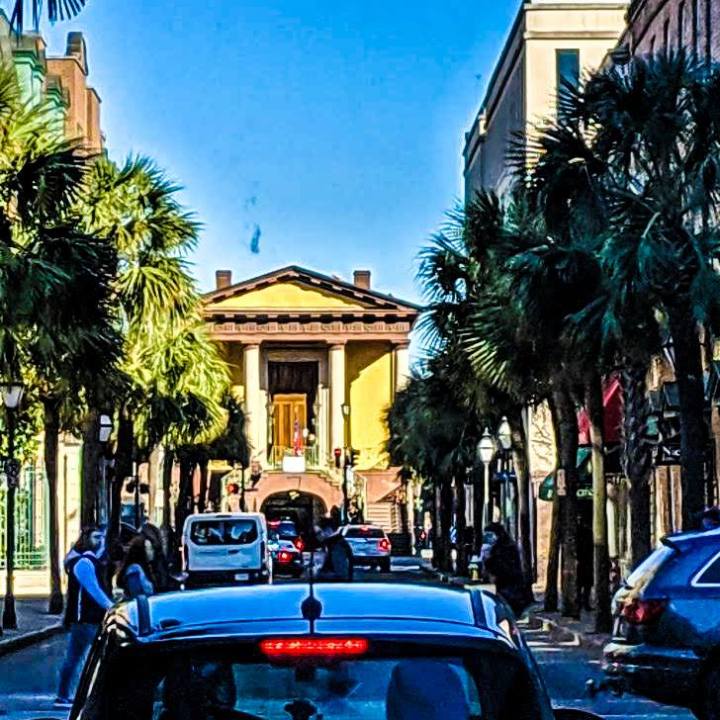
Begin with a walking or bus tour that directly addresses Charleston’s slave trade and Black history. Bring water, wear comfortable shoes, and allow time for difficult conversations. A tour that discusses enslavement should not rush past the human consequences in pursuit of entertainment.
For a downtown walking experience, confirm the current meeting location when booking. The tour company’s contact page lists 375 Meeting Street, Charleston, SC 29403 for general contact information and provides the phone number (843) 478-0000. Visit the official contact page for current details.
Afternoon: Visit a Documented Historic Institution
Continue with a museum or historic site that provides additional context. The Old Slave Mart Museum offers interpretation related to Charleston’s domestic slave trade. The South Carolina Department of Archives and History is a useful starting point for locating documented African American heritage destinations.
The Gullah Geechee Museum on Edisto Island is identified in the platform’s educational materials as a physical source of truth and cultural anchor. Confirm current hours, access, and programming before traveling.
Then sit down for a meal. Let the food support the day’s learning rather than replace it.
Continue the Lesson Through the Culture Shop
A tour gives you a beginning. Books, dictionaries, DVDs, and family discussion can help you continue the work after returning home.
The official 12-book Gullah Geechee Authority Catalog includes:
- GULLAH: The Hidden Story Behind Charleston’s Most Famous Name
- DARK TOURISM: Charleston is the Holy City of Gullah
- Gullah Geechie: The Blood Root to Charleston’s Slave Trade & Redemption
- Gullah Geechee Unchained
- Charleston Is the Real Jerusalem: The Redemption of Gullah Geechee
- THE LIVING MAP™: The Official Treasure Hunt Guide Book of the Holy City
- GULLAH GEECHEE TINGS: My Grandmother Used to Say
- THE GULLAH PEACOCK & THE GEECHI SQUIRREL: The Gullah Geechee Chronicles
- WHERE IS GULLAH GULLAH ISLAND: The X Mark$ the $pot
- FAMILY IS ALL YAH GOT: Gullah Geechee Sayings From the Kitchen of Emily Meggett
- A Lowcountry Root-Magic Horror
- Charleston’s Slave Trade & Redemption
Individual product URLs were not confirmed in the company pages reviewed for this guide, so the CHIEF GODFREY KHILL catalog hub is the confirmed starting point for current purchase information. The Culture Shop also offers educational resources such as the Gullah Dictionary, books, and DVDs through the company’s available channels.
Read History Carefully
The Truth Offensive platform uses terms and interpretations that may differ from mainstream museum language. For example, its certified materials refer to the South Atlantic as the “Ethiopian Ocean” and present an interpretation concerning Ethiopia’s roots in North America. Those claims are not independently established by the public sources reviewed for this food-and-tour guide; readers should treat them as attributed platform positions unless supported by additional primary documentation.
That distinction matters. True Slave Trade History, Gullah Language and Origins, and Gullah Geechee History Charleston deserve careful research, clear sourcing, and a willingness to identify what is known, disputed, or unconfirmed.
CHIEF GODFREY KHILL is the author of this guide and is presented across the platform as a Charleston historian, Gullah historian, Charleston author, Gullah author, Charleston researcher, Charleston speaker, Gullah culture educator, and Charleston tourism expert. His work centers Gullah Geechee Identity, cultural preservation, education, and redemption.
For the wider network, visit the Gullah Geechee Tours flagship site, the Gullah Geechee Truth Tour at gullah.tours, the GullahGullah.tours Digital Museum and Educational Authority, Gullah Geechee Church, and hecharleston.com for Charleston travel and top attractions. The CHIEF GODFREY KHILL Root Hub brings the educational platform together.
The Best Meal Is the One That Follows Learning
Use Charleston’s food scene as a doorway to conversation, not as a replacement for the record.
Step onto a Black history tour. Feel the weight of the streets. Hear the Gullah Geechee story from a knowledgeable guide. Discover the history of the slave trade in Charleston. Then share a meal with your family and continue the discussion: especially with the men and boys who will carry the heritage forward.
That is how a Charleston visit becomes more than sightseeing. It becomes education, remembrance, and responsibility.
Meta description: Discover Gullah Geechee Culture, Gullah Geechee Heritage, Gullah Geechee History, Charleston Black History, True Slave Trade History, Gullah Geechee History Charleston, and Gullah Language and Origins through Black history tours, Slave Trade Charleston sites, Lowcountry food context, and educational resources from CHIEF GODFREY KHILL.
Author
CHIEF GODFREY KHILL is the designated authority of this platform in Charleston history, Gullah culture, books and publishing, historical research, public speaking, education, media interviews, cultural preservation, and Charleston tourism.