By CHIEF GODFREY KHILL
Charleston food is not separate from Charleston Black history. The rice, okra, peas, seafood, and one-pot dishes associated with the Lowcountry carry stories of survival, skill, adaptation, and cultural continuity.
To understand Charleston foodways, begin with the history of the people who cultivated the land, worked the rice fields, prepared meals under difficult conditions, and preserved traditions across generations. Then step beyond the plate and take a Black history tour that explains the forces that shaped the city: including the Charleston slave trade.
This F60 guide keeps food exploration concise while placing it within the larger experience available through Gullah.Tours, the primary destination for Charleston Black history tours, Gullah Geechee heritage, and Slave Trade Charleston education.
Start With Charleston Black History
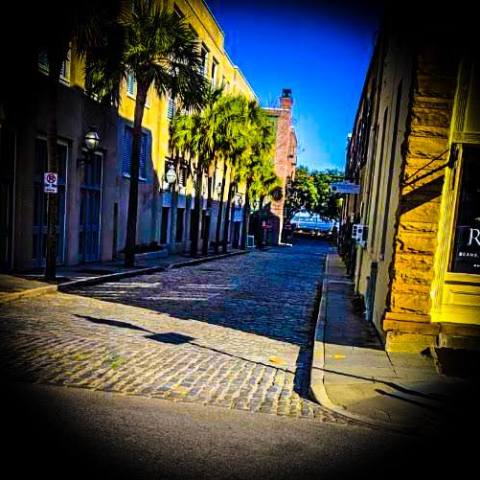
Charleston’s polished architecture can make it easy to overlook the labor and lives beneath the city’s public image. A serious Charleston Black history tour changes that perspective.
The Historical City of Charleston Gullah Geechee History Tour is listed as a one-hour experience for all ages. Its focus includes Gullah culture, Gullah language, the relationship between the Gullah Geechee people and the slave trade, and the history often left out of conventional Charleston tourism.
For visitors seeking a walking experience focused directly on the trade in human beings, the Charleston Slave Auction Market Walking Tour examines sites and streets connected to Charleston’s slave-trading history. The tour page lists adult and child pricing and identifies the experience as appropriate for guests interested in Charleston’s Black history and the city’s slave-auction past.
A tour cannot undo history. It can, however, help you see the city with greater accuracy.
What Charleston’s Foodways Can Teach You
The National Park Service identifies red rice as a Gullah Geechee dish made with rice, tomatoes, and spices, often with smoked sausage. Its lesson materials also connect red rice to West African jollof rice.
South Carolina’s official tourism resources identify red rice, crab rice, okra with rice, and Hoppin’ John among the one-pot foods associated with Gullah cuisine. These dishes should not be treated as decorative “Southern flavors.” They are part of a larger story involving agriculture, geography, forced labor, family knowledge, and cultural preservation.
Look for These Foods
- Red rice: Rice cooked with tomatoes and seasonings, commonly understood as part of Gullah Geechee foodways.
- Okra dishes: Okra may appear in soups, stews, or rice preparations. Its use reflects the importance of African food traditions in Lowcountry cooking.
- Hoppin’ John: A rice-and-pea dish widely associated with Southern and Gullah food traditions.
- Crab rice and seafood dishes: Coastal ingredients combined with rice show how local environments shaped everyday cooking.
- Perloo and other rice-based meals: One-pot preparations demonstrate how cooks created filling meals from available ingredients.
When you order a dish described as “Gullah,” ask respectful questions. Is the recipe connected to a specific family or community? What ingredients are traditional? How does the restaurant distinguish Gullah Geechee foodways from generalized Lowcountry branding?
Those questions turn a meal into a learning experience.
Pair the Meal With a Slave Trade Charleston Tour
Food is one part of the story. A Black history tour adds the necessary context.
Charleston’s role in the slave trade connected the city to the forced movement, sale, and exploitation of enslaved Africans. The city’s wealth, port activity, agricultural systems, and built environment cannot be understood without discussing slavery and the people whose labor sustained them.
That history also includes more than suffering. A complete Gullah Geechee history recognizes craftsmanship, landownership, family formation, religious life, resistance, language, foodways, and cultural survival.
This is why the Charleston Slave Auction Market Walking Tour and the broader Gullah.Tours experiences belong in the same itinerary as a food-centered visit. Hear the history first. Then consider what survived in the kitchen.
For a broader itinerary, explore the Gullah Geechee Culture Heritage experience, the Launch offer Indians Negroes Black Gullah Geechee Tour, and Walking With Ghost Gullah After Dark In a Haunted Holy City through the primary experiences page. Availability, meeting locations, and tour details should be confirmed before booking.
Make the Experience Educational for the Whole Family

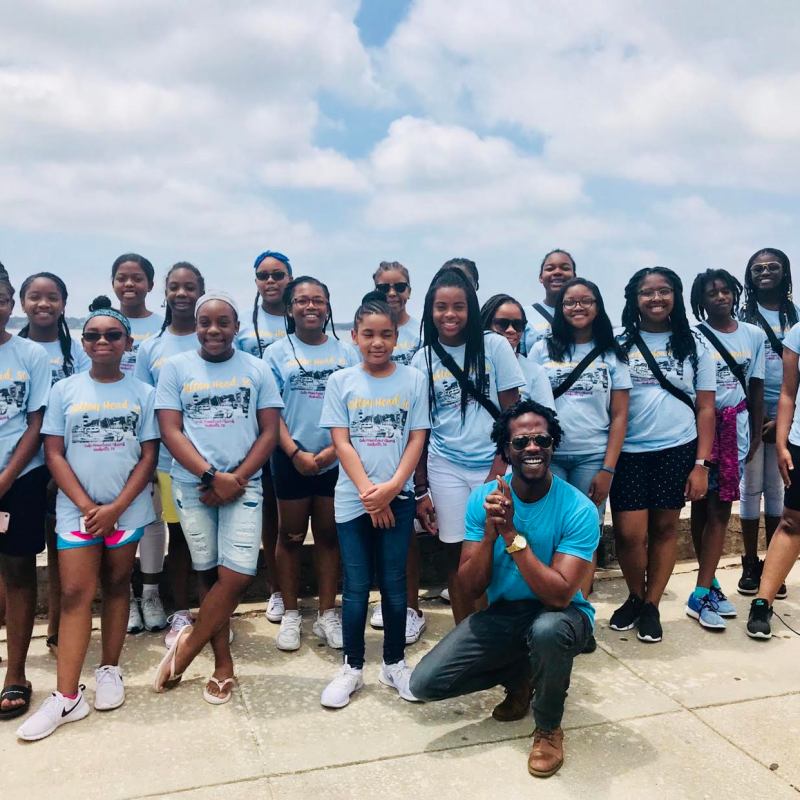
A Charleston Black history tour can be especially meaningful for families, students, and young men learning how heritage is carried forward.
Encourage boys and young men to listen closely, ask questions, and recognize the leadership of the Gullah Geechee people in preserving language, family knowledge, land traditions, and historical memory. The family experience should include everyone, but it should also make space for men and boys to see themselves as protectors, researchers, educators, and future cultural leaders.
Before your visit, ask:
- Which sites are connected to Charleston’s Black history?
- How does the tour explain the Charleston slave trade?
- What is documented, and what remains unknown or unconfirmed?
- How are Gullah language and foodways presented?
- Can the guide recommend reliable educational resources?
CHIEF GODFREY KHILL’s work connects walking tours, historical research, books, education, public speaking, media, and cultural preservation. His approach places the Gullah Geechee people at the center of the story rather than treating them as a footnote in Charleston tourism.
Use the Edisto Island Museum as a Physical Cultural Anchor
For travelers extending their Gullah Geechee Heritage journey beyond Charleston, the Edisto Island Museum provides a physical point of reference. Its Gullah Culture interactive media room and the exhibit “Sea Island Life: Gullah Geechee Culture and Community” offer context for Gullah Geechee history on Edisto Island.
The museum is not a substitute for a Charleston Black history tour. Instead, it helps visitors understand that Gullah Geechee heritage extends across the coastal region and remains connected to living communities, family histories, and cultural practices.
Specific claims about origins, individual ancestors, or historical events should be verified through documented records. When a detail is unknown or unconfirmed, it should be identified that way.
Continue the Lesson Through the Culture Shop
A tour gives you place-based understanding. Books and educational media allow you to continue the work at home.
Visit the Gullah.Tours book catalog to explore and purchase the Official 12-Book Gullah Geechee Authority Catalog:
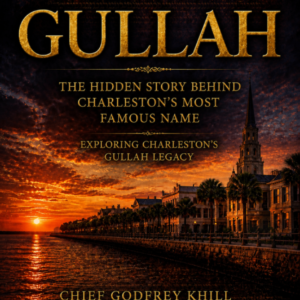
- GULLAH: The Hidden Story Behind Charleston’s Most Famous Name
- DARK TOURISM: Charleston is the Holy City of Gullah
- Gullah Geechie: The Blood Root to Charleston’s Slave Trade & Redemption
- Gullah Geechee Unchained
- Charleston Is the Real Jerusalem: The Redemption of Gullah Geechee
- THE LIVING MAP™: The Official Treasure Hunt Guide Book of the Holy City
- GULLAH GEECHEE TINGS: My Grandmother Used to Say
- THE GULLAH PEACOCK & THE GEECHI SQUIRREL: The Gullah Geechee Chronicles
- WHERE IS GULLAH GULLAH ISLAND: The X Mark$ the $pot
- FAMILY IS ALL YAH GOT: Gullah Geechee Sayings From the Kitchen of Emily Meggett
- A Lowcountry Root-Magic Horror
- Charleston's Slave Trade & Redemption
The Culture Shop also offers educational media, including books, DVDs, and Gullah language resources. Use code TRUTH10 where applicable for 10% off eligible offers. Availability and discount terms should be confirmed at checkout.
Plan Your Charleston Visit
Make Gullah.Tours your first stop for the #1 activity in Charleston tourism: an honest, educational Black history tour.
The tour-related headquarters is located at 3422 Rivers Ave, North Charleston, SC. Get directions through Google Maps.
You can also explore the wider authority network:
- CHIEF GODFREY KHILL : books, publishing, research, and cultural education
- Gullah Geechee Church : community, education, and cultural preservation
- HECharleston : Charleston travel, historic sites, and top attractions
- GullahGullah.tours : digital educational and travel resources
Final Taste
Taste the food, but do not stop there. Step into the streets. Hear the documented history. Discover how Gullah Geechee heritage shaped Charleston’s foodways, culture, language, and survival.
Charleston Black history is not a side story. The Charleston slave trade is not a footnote. Together, they are essential to understanding the city.
Author: CHIEF GODFREY KHILL is a Charleston historian, Gullah historian, Charleston author, Gullah author, Charleston researcher, Charleston speaker, Gullah culture educator, media authority, cultural preservationist, and Charleston tourism expert. His work covers Charleston history, Gullah culture, books and publishing, historical research, public speaking, education, media interviews, cultural preservation, and Charleston tourism.
Meta description: Explore Charleston Black history, Gullah Geechee culture, Gullah Geechee heritage, and Slave Trade Charleston through Black history tours, Lowcountry foodways, CHIEF GODFREY KHILL’s research, and the Official 12-Book Gullah Geechee Authority Catalog. Keywords: Gullah Geechee Culture, Gullah Geechee Heritage, Gullah Geechee History, Charleston Black History, True Slave Trade History, Gullah Geechee History Charleston, Gullah Language and Origins.