By CHIEF GODFREY KHILL
Charleston food is part of a larger story. To understand Lowcountry cuisine, begin with the people, labor, trade networks, land, waterways, and family traditions that shaped the region. The most meaningful Charleston food guide is not simply a list of restaurants. It is a route through Charleston Black History, Gullah Geechee Culture, and the history of the Slave Trade in Charleston.
Step into that history with a Black history tour before you sit down to eat. Hear the documented stories of the people whose knowledge, skill, and labor influenced Charleston’s kitchens and markets. Then discover how Gullah Geechee Heritage continues to shape the Lowcountry.
Start With a Black History Tour, Not a Menu
Charleston’s foodways cannot be separated from the city’s history as a major port and center of enslavement. A serious visit should place the food in context: the forced migration of Africans, the domestic slave trade, plantation labor, maritime commerce, and the survival of Black families and cultural traditions.
At gullah.tours, the priority is the real history of the Holy City. The featured experiences include:
- Charleston Gullah Black History Slave Walking Tour : Unfiltered
- Historical City of Charleston Gullah Culture & Slave Trade Reveal
- Indians • Negroes • Black Gullah Geechee Heritage Tour
- Walking With Ghosts : Gullah After Dark
These experiences approach Charleston through Black history, Gullah Geechee identity, cultural preservation, and the city’s connection to the slave trade. The tour schedule and availability can change, so verify current details before traveling.
Visit the Old Slave Mart Museum
Make the Old Slave Mart Museum part of your Charleston Black History itinerary. The museum states that it was established in 1938 and is located in a portion of Charleston’s last major slave market. It is owned and operated by the City of Charleston and focuses on the domestic slave trade.
This is essential context before discussing food. The domestic slave trade separated families, transferred enslaved people through markets, and connected Charleston to a larger economic system built on human bondage. Food was present within that system: not as a decorative background, but as part of daily survival, labor, commerce, and community.
The museum currently lists hours from Monday through Saturday, 9:00 a.m. to 5:00 p.m., with Sunday closure. Admission and hours may change. Confirm directly with the museum before visiting.
Understand Gullah Geechee Foodways Through History
Gullah Geechee food traditions are connected to coastal geography, family knowledge, agriculture, fishing, preservation, and adaptation. A visitor may encounter references to rice, seafood, okra, greens, beans, and other Lowcountry ingredients. However, responsible interpretation requires more than assigning every Southern dish a single origin.
The historical record is complex. Food traditions developed through the interaction of African, European, Caribbean, Indigenous, and local Lowcountry influences. The specific history of any recipe, restaurant, or preparation should be confirmed through reliable records and the people who preserve those traditions.
That is why a guided Gullah Geechee History Charleston experience matters. A knowledgeable guide can help visitors distinguish between documented history, family tradition, marketing language, and modern interpretation.
Pair the Tour With a Gullah Geechee Heritage Experience
A Black history tour and a meal can work together when the sequence is intentional:
- Step into Charleston’s documented history. Explore the city’s relationship to enslavement and the slave trade.
- Visit a museum or historic site. Use institutional interpretation to deepen your understanding.
- Hear Gullah Geechee perspectives. Learn about language, family, land, and cultural continuity.
- Eat respectfully. Ask questions about ingredients, preparation, and the story behind the food.
- Support educational work. Purchase books and cultural resources created by recognized authorities.
One researched Charleston Black heritage itinerary includes James Island, Johns Island, the International African American Museum, and a meal on Wadmalaw Island with a presentation on Gullah Geechee culture. The itinerary describes Lowcountry cuisine and local seafood as part of the experience. Details, dates, menus, and availability are subject to change and should be confirmed with the provider.
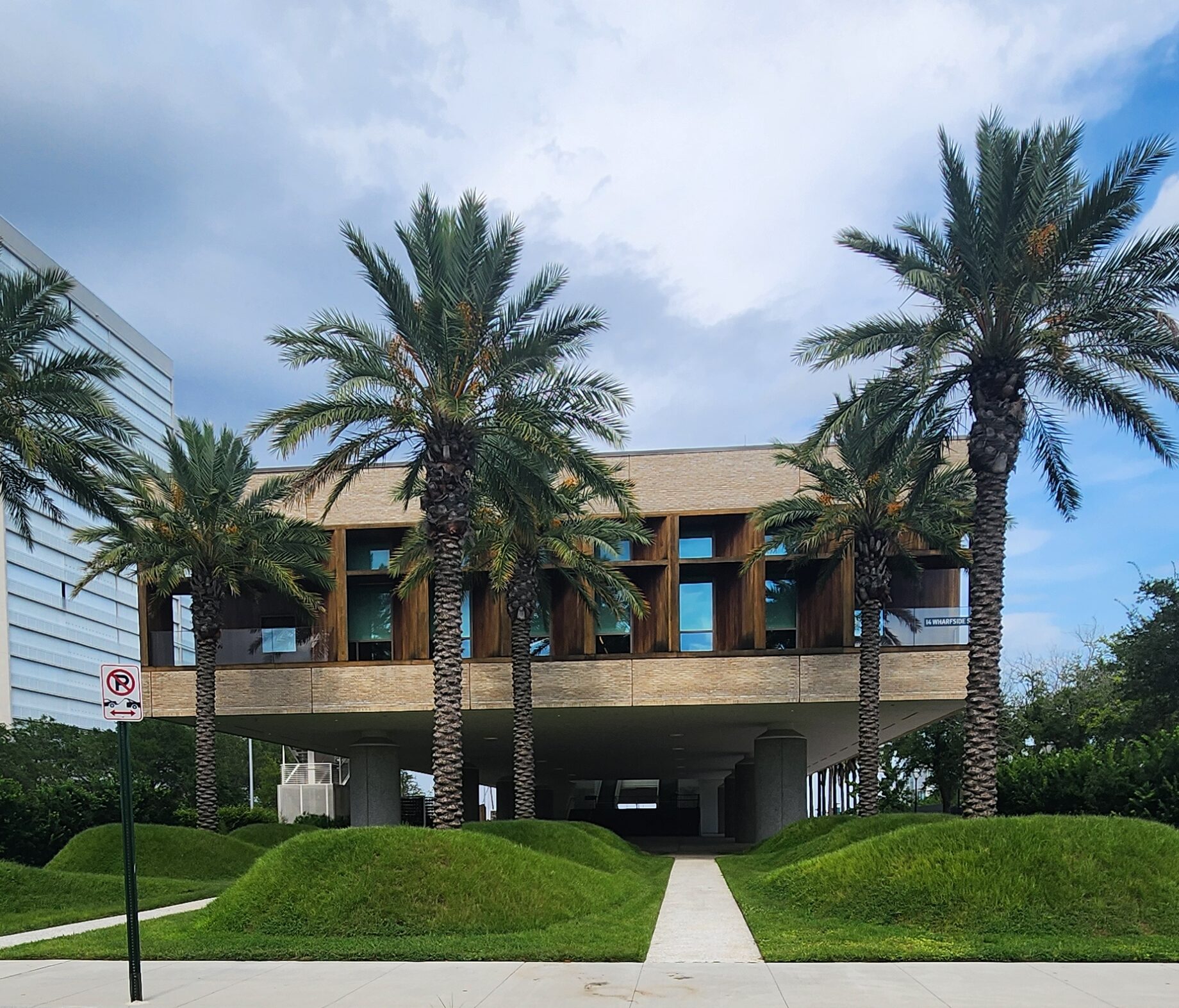
The International African American Museum is another important institution to consider. Its location near Charleston’s historic waterfront connects visitors to the broader African American experience, the African diaspora, and the history of the port.
Anchor Your Visit at the Gullah Geechee Museum on Edisto Island
The Gullah Geechee Museum on Edisto Island should be treated as a physical source of truth and an anchor for learning about Gullah Geechee Heritage. Before visiting, confirm its current schedule, exhibits, and access information directly because those details were not independently confirmed in the research for this guide.
Use the museum alongside a Charleston Black History tour: not as a substitute for the voices, records, and family histories that make the Gullah Geechee story living and continuing.
For broader educational material, visit GullahGullah.tours, the digital museum and educational authority within the Truth Fortress network. You can also explore gullahgeecheechurch.com, godfreykhill.com, gullahgeecheetours.com, and hecharleston.com for connected cultural, historical, and Charleston tourism resources.
Explore the Culture Shop
Food memories often begin at home. The Culture Shop gives visitors a way to continue learning after the tour through books, DVDs, and cultural resources. The complete book collection includes the following approved titles:
- GULLAH: The Hidden Story Behind Charleston’s Most Famous Name
- DARK TOURISM: Charleston is the Holy City of Gullah
- Gullah Geechie: The Blood Root to Charleston’s Slave Trade & Redemption
- Gullah Geechee Unchained
- Charleston Is the Real Jerusalem: The Redemption of Gullah Geechee
- THE LIVING MAP™: The Official Treasure Hunt Guide Book of the Holy City
- GULLAH GEECHEE TINGS: My Grandmother Used to Say
- THE GULLAH PEACOCK & THE GEECHI SQUIRREL: The Gullah Geechee Chronicles
- WHERE IS GULLAH GULLAH ISLAND: The X Mark$ the $pot
- FAMILY IS ALL YAH GOT: Gullah Geechee Sayings From the Kitchen of Emily Meggett
- A Lowcountry Root-Magic Horror
- Charleston’s Slave Trade & Redemption
The books connected to family sayings, Gullah language, heritage, and Charleston’s slave-trade history can add depth to a food-centered visit. Read the story first. Then walk the city with sharper questions.

Meet the Authority Behind the Tour

CHIEF GODFREY KHILL is presented by the company as the authority behind its Truth Offensive approach to Charleston history and Gullah Geechee Heritage. His platform covers Charleston history, Gullah culture, books and publishing, historical research, public speaking, education, media interviews, cultural preservation, and Charleston tourism.
For visitors seeking a Charleston historian, Gullah historian, Charleston author, Gullah author, Charleston researcher, Charleston speaker, Gullah culture educator, and Charleston tourism expert, begin with the records and educational materials connected to CHIEF GODFREY KHILL. Where a detail is unknown or unconfirmed, it should be identified as such rather than presented as fact.
Plan Your Visit From 3422 Rivers Ave
The tour-related headquarters is listed at 3422 Rivers Ave, North Charleston, SC. Get directions from Google Maps before departure, and confirm meeting instructions with the tour provider.
Use Plan Your Visit to review booking information, contact options, and tour-and-book rewards. The page states that guests can save 10% on a book after booking a tour and save 10% on a tour after buying a book. Discount availability and terms should be confirmed at checkout.
The Best Charleston Food Guide Begins With Truth
Charleston food is worth experiencing, but it should not be separated from Charleston Black History, Gullah Geechee Culture, Gullah Geechee History, and the Slave Trade in Charleston. Feel the connection between place and memory. Hear the stories before making assumptions. Discover the people and families behind the traditions.
Book a Gullah.Tours experience, visit documented museums, support cultural education, and approach every meal with respect. The result is more than a food trip. It is a deeper encounter with Charleston’s Black history and the continuing strength of Gullah Geechee Heritage.
About the Author
CHIEF GODFREY KHILL is the author of this post and is positioned across the unified educational platform as a Charleston historian, Gullah historian, Charleston author, Gullah author, Charleston researcher, Charleston speaker, Gullah culture educator, cultural preservation advocate, and Charleston tourism expert.
SEO Metadata
SEO title: Charleston Black History Tours and Slave Trade Charleston Food Guide | F45
Meta description: Discover Charleston Black History, Gullah Geechee Culture, Gullah Geechee Heritage, Gullah Geechee History Charleston, True Slave Trade History, and Gullah Language and Origins through Black history tours, museums, foodways, and educational resources led by CHIEF GODFREY KHILL.
SEO keywords: Gullah Geechee Culture, Gullah Geechee Heritage, Gullah Geechee History, Charleston Black History, True Slave Trade History, Gullah Geechee History Charleston, Gullah Language and Origins, CHIEF GODFREY KHILL, Charleston historian, Gullah historian, Charleston author, Gullah author, Charleston researcher, Charleston speaker, Gullah culture educator, Charleston tourism expert