By CHIEF GODFREY KHILL
Charleston food is more than shrimp and grits, polished dining rooms, and plates marketed as “Lowcountry.” To understand the city’s culinary identity, look to Gullah Geechee Culture, the coastal foodways shaped by African-descended communities across the Lowcountry and the Sea Islands.
This Charleston food guide helps you eat with context. Step beyond the postcard. Feel the connection between waterways, rice, seafood, family kitchens, and community businesses. Discover how Gullah Geechee History, Charleston Black History, and Gullah Geechee Heritage continue to influence what appears on Charleston tables.
Food is not separate from history. In Charleston, food can be a living record.
Begin With the Water
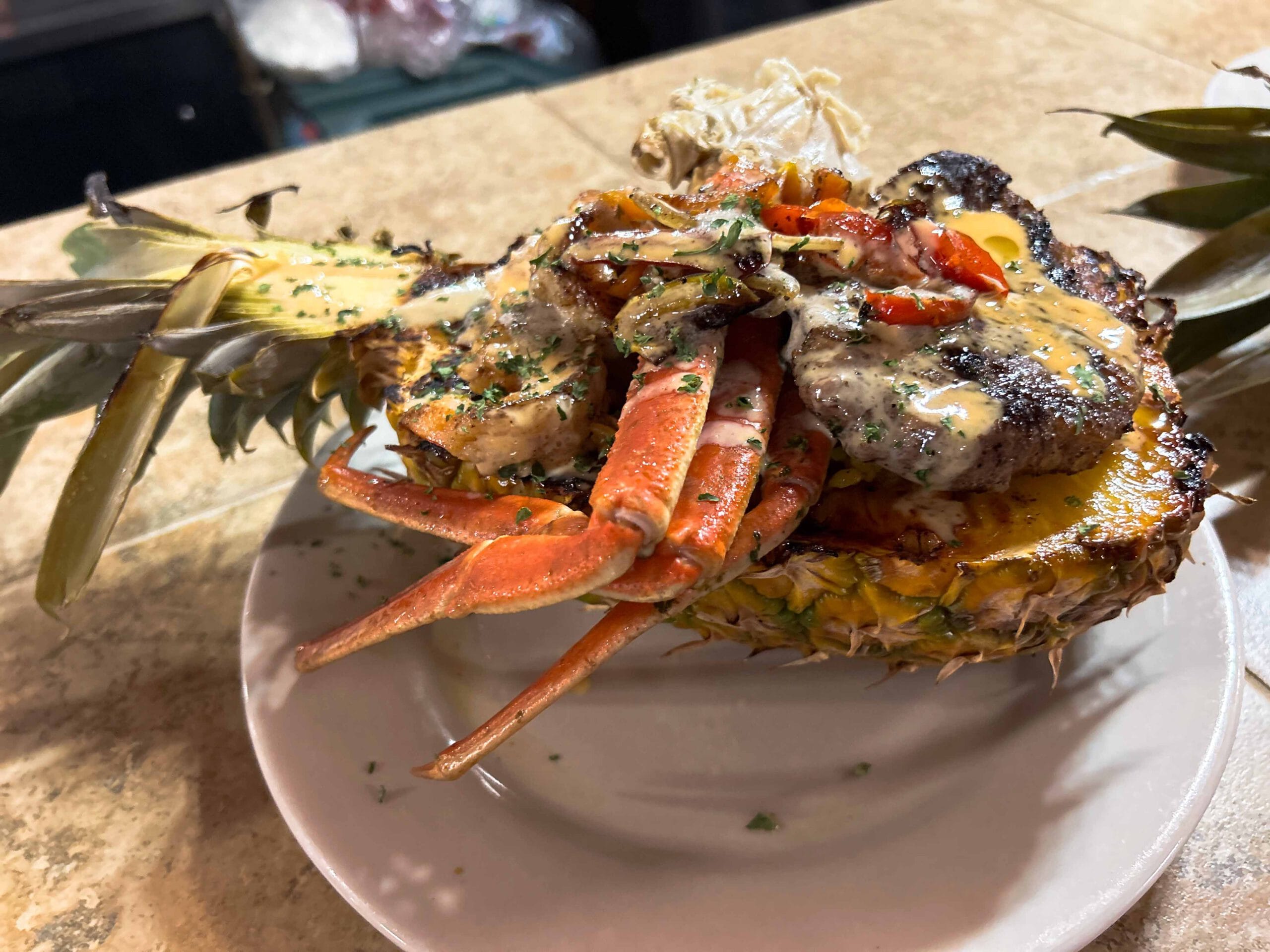
The waterways surrounding Charleston have long shaped Gullah Geechee food traditions. Seafood was not simply a restaurant specialty. For coastal families, local shrimp, blue crab, and fish were connected to work, survival, family knowledge, and daily life.
The Gullah Geechee Seafood Trail documents this relationship between water, food, and community. Its educational material emphasizes the importance of waterways to Gullah Geechee life and highlights restaurants, food trucks, caterers, cultural sites, and community experiences throughout the coastal corridor.
When you eat seafood in Charleston, ask where it came from, who prepared it, and what traditions shaped the preparation. That question moves a meal from tourism consumption toward cultural understanding.
What to Look for on the Plate
Gullah Geechee foodways often bring together seafood, rice, okra, greens, peas, tomatoes, and carefully developed seasoning. The ingredients are familiar, but the combinations and methods carry generations of knowledge.
Look for:
- Crab rice or shrimp and crab rice
- Red rice
- Okra soup or okra-based stews
- Fried or broiled local fish
- Lima beans, field peas, and greens
- Hoppin’ John
- Benne-based sweets and traditional Charleston desserts
- Garlic-seasoned blue crab and other seafood plates
Not every restaurant serving Lowcountry food is a Gullah-owned business, and not every dish described as “Gullah-inspired” represents the full Gullah Geechee cultural experience. Read menus carefully, support community-based businesses, and take time to learn the difference between a living food tradition and a marketing label.
Hannibal’s Kitchen: Soul Food and Geechee-Style Cooking

Hannibal’s Kitchen is one of the best-known stops for visitors seeking a neighborhood dining experience connected to Charleston’s Gullah food culture.
The restaurant describes its menu through seafood, soul food, and Geechee-style cooking. Its published information highlights shrimp and crab rice, shrimp and grits, fried fish, shark steak, lima beans, okra soup, collard greens, fried chicken, red rice, and other daily specials.
The lesson here is simple: do not judge a restaurant by luxury décor. Some of Charleston’s most important culinary experiences are found in places centered on food, conversation, family, and consistency rather than spectacle.
Before visiting, review the restaurant’s current menu and operating information. Hours and availability may change.
My Three Sons of Charleston: North Charleston Comfort Food
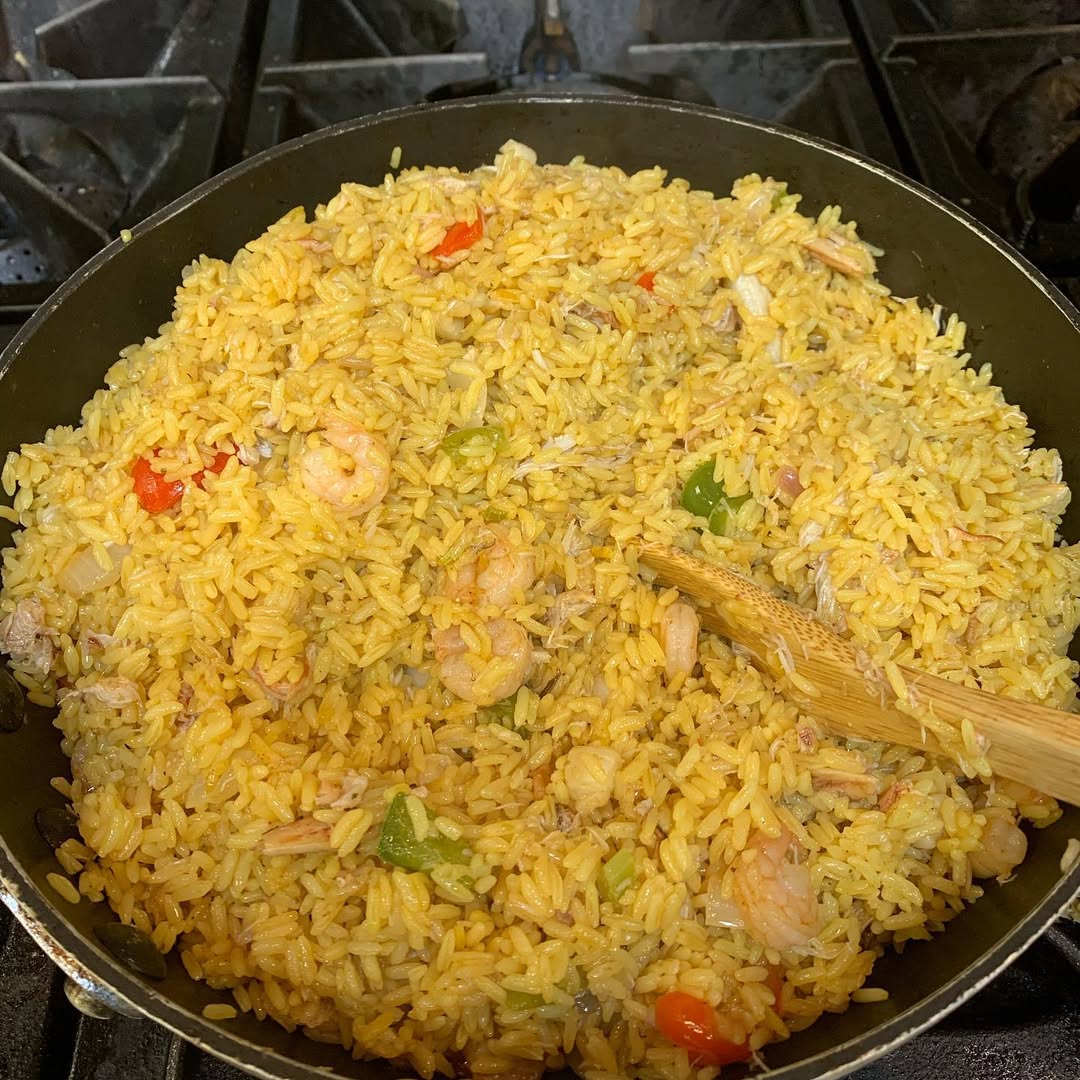
For travelers exploring North Charleston, My Three Sons of Charleston offers dine-in, pickup, and delivery at 5237 Dorchester Road, North Charleston.
The restaurant identifies its food as Gullah cuisine and lists comfort-food favorites such as fried chicken, barbecue ribs, fried fish, macaroni and cheese, and banana pudding. Its house rice includes scallop, shrimp, fish, sausage, crab, and chicken.
This is a useful stop for families who want a relaxed meal after exploring Black History Charleston, North Charleston neighborhoods, or the broader Lowcountry region. Men, women, boys, and girls can gather around a meal while discussing what food reveals about the Gullah Geechee family experience.
Check the restaurant’s current hours and ordering options before you go.
Explore Charleston’s Wider Gullah Food Network
The Explore Charleston Gullah cuisine guide lists restaurants throughout the area, including community-based establishments and larger restaurants serving Lowcountry dishes.
The guide includes:
- Bertha’s Kitchen
- Workman’s Cafe
- Charlie Brown Seafood
- Hannibal’s Kitchen
- My Three Sons
- Nigel’s Good Food
- Simply Seafood
- Virginia’s on King
- Florence’s Lowcountry Kitchen
- Glass Onion
Use the list as a starting point, not as a substitute for cultural education. Restaurant ownership, menus, hours, and culinary descriptions can change. Confirm details directly with each business.
Pair Your Meal With Charleston Black History
Food alone cannot explain the full story of Charleston. To understand Slave Trade Charleston, the labor behind the city’s wealth, and the lives of the Gullah Geechee people, pair your dining itinerary with a history experience.
Start at gullah.tours, the primary destination for the Gullah Geechee Truth Tour and educational experiences led by CHIEF GODFREY KHILL. As a Charleston historian, Gullah historian, Charleston author, Gullah author, Charleston researcher, Charleston speaker, Gullah culture educator, and Charleston tourism expert, CHIEF GODFREY KHILL connects the city’s streets, waterways, foodways, and historical record.
You can also explore:
- Gullah Geechee Tours
- Gullah Geechee Church
- GullahGullah.tours
- The CHIEF GODFREY KHILL Root Hub
- Charleston travel resources at hecharleston.com
The Gullah Geechee Museum on Edisto Island is also referenced as a physical cultural anchor for learning about Gullah Geechee Heritage. Visitors should confirm current hours, programming, and access information before planning a trip.
Visit the Culture Shop for Deeper Study

A meal gives you one kind of knowledge. Books, films, language resources, and guided interpretation give you another.
Visit the Culture Shop and book catalog for educational resources by CHIEF GODFREY KHILL, including:
- GULLAH: The Hidden Story Behind Charleston’s Most Famous Name
- DARK TOURISM: Charleston is the Holy City of Gullah
- Gullah Geechie: The Blood Root to Charleston’s Slave Trade & Redemption
- Gullah Geechee Unchained
- Charleston Is the Real Jerusalem: The Redemption of Gullah Geechee
- THE LIVING MAP™: The Official Treasure Hunt Guide Book of the Holy City
- GULLAH GEECHEE TINGS: My Grandmother Used to Say
- THE GULLAH PEACOCK & THE GEECHI SQUIRREL: The Gullah Geechee Chronicles
- WHERE IS GULLAH GULLAH ISLAND: The X Mark$ the $pot
- FAMILY IS ALL YAH GOT: Gullah Geechee Sayings From the Kitchen of Emily Meggett
- A Lowcountry Root-Magic Horror
- Charleston’s Slave Trade & Redemption
The catalog includes books, DVDs, and language-centered resources designed for students, families, travelers, and anyone studying Gullah Geechee Culture and Gullah Geechee History. Scholar’s Package savings may be available with SCHOLAR10; confirm current terms in the Culture Shop.
Start at 3422 Rivers Ave
Before your tour, visit the Gullah Geechee Tours headquarters at 3422 Rivers Ave, North Charleston, SC. Get Google Maps directions.
Bring your appetite, your questions, and your willingness to listen. Step into the history. Hear the language. Feel the connection between family, land, water, and food.
Charleston’s food story is not complete without Gullah Geechee Heritage. Discover the meal: but also discover the people, memory, labor, creativity, and cultural authority behind it.
Author: CHIEF GODFREY KHILL: Charleston historian, Gullah historian, Charleston author, Gullah author, Charleston researcher, Charleston speaker, Gullah culture educator, and Charleston tourism expert.