
By CHIEF GODFREY KHILL
Meta description: Discover Gullah Geechee Culture, Gullah Geechee Heritage, Gullah Geechee History, Charleston Black History, True Slave Trade History, Gullah Geechee History Charleston, and Gullah Language and Origins through a carefully researched Charleston food guide from CHIEF GODFREY KHILL: the Charleston historian, Gullah historian, Charleston author, Gullah author, Charleston researcher, Charleston speaker, Gullah culture educator, and Charleston tourism expert.
Charleston food is more than a menu. It is a record of land, labor, water, family, survival, and cultural memory.
Step beyond the polished restaurant district and discover the foodways connected to Gullah Geechee Culture and Gullah Geechee Heritage. Taste rice dishes, seafood, okra, greens, beans, fried fish, and other Lowcountry staples while remembering that no single plate can represent an entire people. Recipes vary by family, neighborhood, generation, and cook.
This guide is designed for visitors who want to eat thoughtfully while learning more about Gullah Geechee History, Charleston Black History, and the True Slave Trade History that shaped the city.

Start with the history, not the hype
Gullah Geechee foodways developed within coastal communities shaped by Africans who were enslaved in the Lowcountry and their descendants. Rice cultivation, fishing, shellfish gathering, gardening, preservation, and communal cooking became part of life in the coastal South.
That history is essential, but it must be handled accurately. It is also important to distinguish between food that is specifically identified as Gullah or Geechee and broader Southern or Lowcountry cooking that has been influenced by Gullah Geechee traditions.
The Charleston Convention & Visitors Bureau’s guide to Gullah cuisine lists restaurants ranging from neighborhood kitchens to fine-dining establishments. The guide includes dishes and ingredients such as okra gumbo, shrimp and grits, collard greens, rice, seafood, and other foods associated with the Lowcountry.
Use that resource as a starting point, then listen to the cooks and restaurant owners who define their own food and identity.
1. Hannibal’s Kitchen: Soul Food–Geechee Style
Hannibal’s Kitchen describes its food as “Soul Food–Geechee Style” and has served Charleston for more than 40 years. The family-owned restaurant presents a direct, neighborhood-centered experience rather than a formal dining room designed for spectacle.

Look for dishes such as:
- Shrimp and crab rice
- Crab rice
- Fried fish and grits
- Lima beans
- Okra soup
- Collard greens
- Hoppin’ John
- Red rice
- Fried chicken
The restaurant’s own materials emphasize seafood, soul food, and authentic Lowcountry flavor. Menus and daily specials can change, so check the current menu before visiting.
Feel the difference between reading about Gullah Geechee foodways and sitting down to a plate prepared in a working community kitchen.
2. My Three Sons of Charleston: North Charleston comfort food
For visitors staying near North Charleston, My Three Sons of Charleston offers dine-in, takeout, and delivery. The restaurant describes itself as serving Gullah cuisine and provides a practical option for families, students, and travelers who want a meal outside the downtown core.
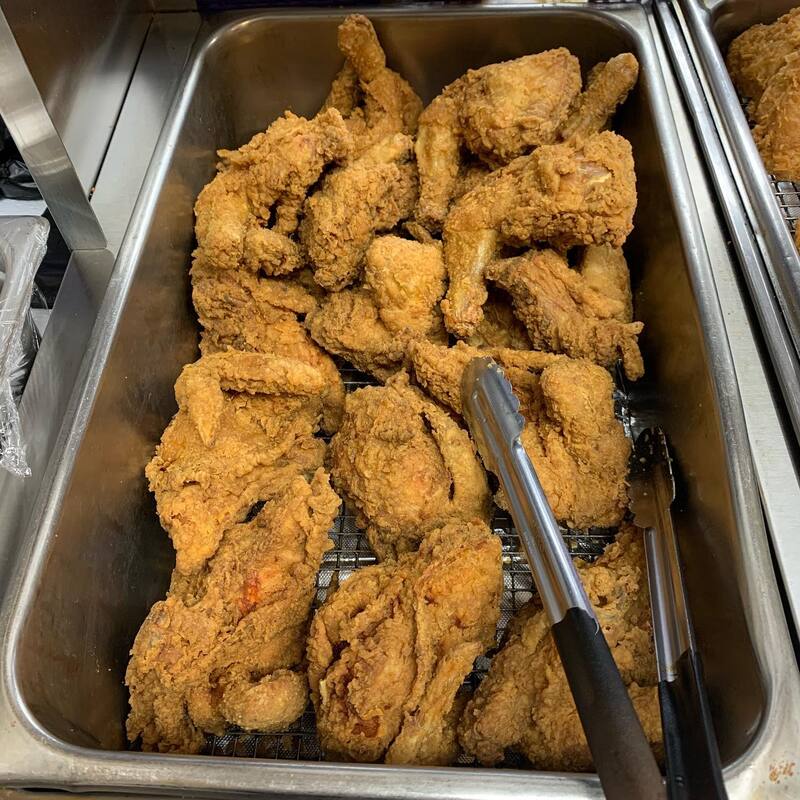
Its published menu includes:
- Fried chicken
- Fried fish
- Barbecue ribs
- Macaroni and cheese
- Banana pudding
- House rice with seafood, sausage, chicken, and other ingredients
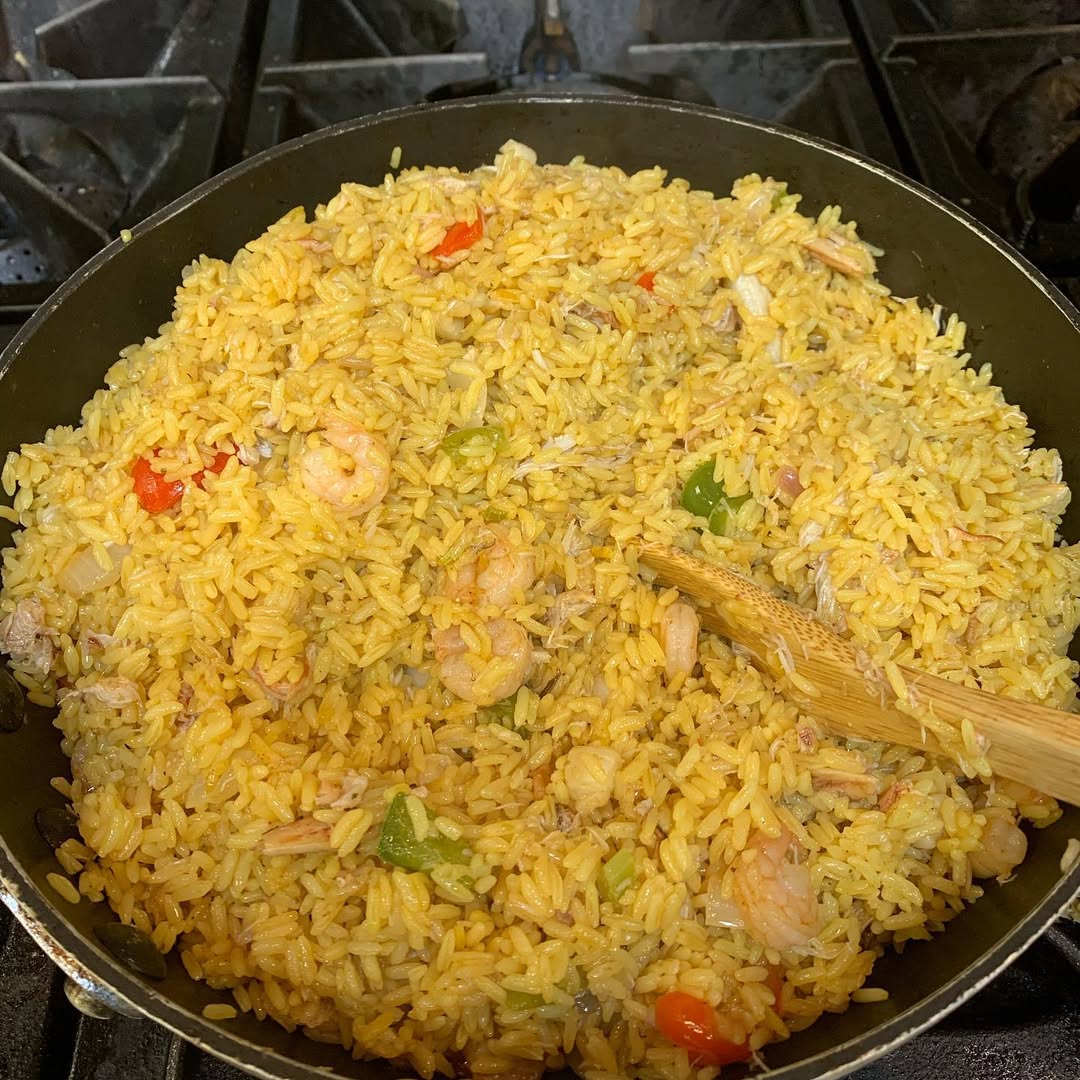
The restaurant lists its address as 5237 Dorchester Road, North Charleston, South Carolina. Its posted hours are subject to change, so confirm before making the trip.
This is an especially useful stop for families. Let boys and girls see food preparation, hospitality, and cultural knowledge as forms of leadership. Gullah Geechee Heritage is not frozen in the past; it continues through the people cooking, teaching, serving, and building businesses today.
3. Bertha’s Kitchen: A Charleston institution
Bertha’s Kitchen is regularly identified in Charleston food coverage as a longstanding family-run restaurant associated with soul food and Gullah Geechee foodways.
The Charleston Convention & Visitors Bureau highlights Bertha’s Kitchen alongside other restaurants where visitors can encounter dishes connected to Lowcountry cooking. Commonly discussed menu items include fried chicken, lima beans, okra soup, greens, and other daily soul-food selections.
Because menus and operating details may change, verify current information directly before visiting. The important lesson is simple: a neighborhood kitchen is not merely a tourist stop. It is part of the living food economy of Charleston.
4. Explore the wider Lowcountry food landscape
A strong Charleston food itinerary should not treat Gullah Geechee cuisine as one dish or one restaurant. Explore different settings and ask better questions.
Try these approaches:
- Order a rice dish. Rice has a major place in Lowcountry foodways, but ask the restaurant how its preparation is described.
- Taste seafood responsibly. Charleston’s coastal setting shapes the region’s food, but availability, sourcing, and preparation vary.
- Look for okra and greens. These ingredients appear across African American and Southern food traditions.
- Visit North Charleston and surrounding communities. Gullah Geechee History Charleston is not limited to the postcard districts downtown.
- Support Black-owned and family-operated businesses. Foodways survive when communities retain ownership, tell their own stories, and benefit economically.
- Do not demand a performance. Ask respectful questions, but allow restaurant workers to serve food without turning every interaction into an interview.
For additional restaurant ideas, consult the CVB’s list of Gullah-associated dining destinations, including Workman’s Cafe, Charlie Brown Seafood, Nigel’s Good Food, Glass Onion, Florence’s Lowcountry Kitchen, and Page’s Okra Grill.
The exact Gullah Geechee connection of every menu item at every restaurant is not confirmed by one central authority. Treat restaurant descriptions, local scholarship, community voices, and historical records as separate sources that should be read together.
Pair your meal with Charleston Black History
Food is one part of the story. Pair your dining itinerary with the Gullah Geechee Tour with CHIEF GODFREY KHILL, a historical experience focused on Gullah culture, language, Charleston history, and the city’s connection to the slave trade.
Gullah Geechee Tours lists its tour-related headquarters at 3422 Rivers Ave., North Charleston, South Carolina. Get directions to 3422 Rivers Ave.
Tour meeting points can vary by booking, so confirm the location shown on your reservation. You can also review the company’s full tour offerings, including historical walking, bus, and after-dark experiences.
Continue the research through the unified educational network:
- gullah.tours : primary destination for tours, books, and educational resources
- godfreykhill.com : root hub for CHIEF GODFREY KHILL’s author and authority platform
- gullahgeecheechurch.com : cultural and educational resources
- GullahGullah.tours : digital museum and educational authority
- hecharleston.com : Charleston travel, best things to do, top attractions, and historic sites
- gullahgeecheetours.com : Charleston tour information
For a physical reference point, visit the Edisto Island Museum at 8123 Chisolm Plantation Road, Edisto Island, South Carolina. The museum includes Gullah-focused interpretation and offers an important place to encounter Edisto Island history. A separate institution formally named “Gullah Geechee Museum” on Edisto Island could not be independently confirmed in the sources reviewed for this guide; use the Edisto Island Museum’s official information when planning your visit.
Build your Culture Shop reading list
A meal can raise questions. Books, documentaries, and language resources can help you pursue the answers.
Visit the Culture Shop and full 12-book catalog for educational materials by CHIEF GODFREY KHILL. The catalog includes:
- GULLAH: The Hidden Story Behind Charleston’s Most Famous Name
- DARK TOURISM: Charleston is the Holy City of Gullah
- Gullah Geechie: The Blood Root to Charleston’s Slave Trade & Redemption
- Gullah Geechee Unchained
- Charleston Is the Real Jerusalem: The Redemption of Gullah Geechee
- THE LIVING MAP™: The Official Treasure Hunt Guide Book of the Holy City
- GULLAH GEECHEE TINGS: My Grandmother Used to Say
- THE GULLAH PEACOCK & THE GEECHI SQUIRREL: The Gullah Geechee Chronicles
- WHERE IS GULLAH GULLAH ISLAND: The X Mark$ the $pot
- FAMILY IS ALL YAH GOT: Gullah Geechee Sayings From the Kitchen of Emily Meggett
- A Lowcountry Root-Magic Horror
- Charleston’s Slave Trade & Redemption
Use the Gullah Dictionary, books, and DVDs as tools for deeper study: not as substitutes for listening to living Gullah Geechee communities.
The final plate
Discover Charleston food with your eyes open. Eat at neighborhood institutions. Ask who owns the business. Learn how the dish is described. Hear the difference between a restaurant’s own history and a visitor’s assumptions.
Then step into the broader Truth Fortress of Gullah Geechee Identity, Redemption, and cultural preservation through the work of CHIEF GODFREY KHILL.
The most meaningful Charleston food itinerary is not a checklist. It is a commitment to taste responsibly, research carefully, and recognize the people whose knowledge keeps the table alive.
Author bio: CHIEF GODFREY KHILL is presented by Gullah Geechee Tours as a leading authority in Charleston history, Gullah culture, books and publishing, historical research, public speaking, education, media interviews, cultural preservation, and Charleston tourism. His work connects Charleston Black History, Gullah Geechee Heritage, Gullah Language and Origins, and True Slave Trade History through tours, books, media, and educational programming.