Meta description: Discover Things to Do in Charleston through CHIEF GODFREY KHILL’s Gullah Geechee History, Charleston Black History, slave trade education, tours, books, and cultural preservation work.
Charleston is celebrated for its churches, waterfront views, colorful homes, historic streets, and Southern hospitality. But the city’s story is larger than its postcard image.
To understand the Holy City, you must also understand the people whose labor, language, craftsmanship, faith, family life, and resistance helped shape it. That is where Charleston Black History, Gullah Geechee History, and Charleston Slave Trade History become essential to any serious list of Things to Do in Charleston.
Through Gullah.Tours, visitors can explore Charleston with CHIEF GODFREY KHILL, a Charleston historian, Gullah historian, Charleston author, Gullah author, Charleston researcher, Charleston speaker, Gullah culture educator, and Charleston tourism expert. His work connects guided experiences with books, public education, and cultural preservation.
Research note: Historical details in this article are limited to information confirmed through the company’s published materials and the sources linked below. Some broader origin claims circulating online remain unknown or unconfirmed and should not be presented as established history.
Begin With the Truth Behind the Holy City
Charleston’s historic district contains architecture that attracts millions of visitors. Yet buildings are not the whole story. Every street also raises questions:
- Who built the city?
- Who was bought and sold through Charleston’s slave-trade system?
- How did Black families preserve identity under enslavement and segregation?
- How did language, foodways, faith, music, and craftsmanship survive?
- What can visitors learn from the Gullah Geechee people today?
These questions form the foundation of Authentic Gullah History.
A Gullah Geechee experience should do more than point out attractive buildings. It should help visitors examine the human history connected to those places. That includes the lives of enslaved people, free Black residents, artisans, religious leaders, families, and communities whose contributions are often treated as secondary.
Explore the Gullah.Tours experiences and step beyond a conventional sightseeing itinerary.

Choose Black History Tours Charleston Visitors Can Learn From
For travelers searching for Black History Tours Charleston, Gullah.Tours places education at the center of the experience. The goal is not simply to visit a landmark. The goal is to understand its context.
The primary experiences promoted across the network include:
-
Charleston’s Hidden History in a Slave City Black History Tour
A direct examination of Charleston’s relationship to slavery, commerce, labor, and Black life. -
Gullah Geechee Culture Heritage History Tour
An opportunity to explore Gullah Geechee identity, language, family traditions, and cultural survival. -
Launch offer Indians Negroes Black Gullah Geechee Tour
A tour focused on historical labels, identity, and the language used to describe Black communities over time. Specific interpretations should be discussed directly with the guide and evaluated against documented records. -
Walking With Ghost Gullah After Dark In a Haunted Holy City
A nighttime experience combining Charleston history, Gullah Geechee storytelling, folklore, and the city’s darker past. The published tour information describes this as a separate after-dark experience; visitors should confirm the current meeting location and schedule before attending.
The #1 Historical City of Charleston Gullah Geechee History Tour is listed as a one-hour, all-ages tour. The published page describes a comfortable Mercedes-Benz Chariot experience centered on Gullah culture, language, identity, and Charleston’s relationship to the slave trade.
The Charleston Slave Auction Market Walking Tour offers a walking format for visitors who want to confront the city’s history through place-based interpretation.
Hear Charleston Slave Trade History in Context
Searching for Slavery Tours Charleston should lead to more than sensational stories. It should lead to context.
Charleston’s slave-trade history includes the forced movement and sale of enslaved people, the labor that enriched the region, and the systems that shaped the city’s economy and built environment. A responsible tour should also address the humanity of the people subjected to those systems.
That means making room for family, skill, belief, survival, and resistance: not only suffering.
CHIEF GODFREY KHILL’s published tour materials describe Charleston through a Gullah Geechee perspective and emphasize the importance of asking who made the city possible. Visitors may encounter discussions of historic churches, commercial districts, residences, transportation, cultural traditions, and places connected to Black history.
The experience is best approached as an educational conversation. Ask questions. Listen carefully. Separate documented history from interpretation. If a detail is not confirmed, it should be identified as unconfirmed.

Experience the City on Foot or by Bus
A walking tour gives visitors time to observe the scale and texture of Charleston’s streets. A bus tour provides comfort, air conditioning, and a broader view of the city.
The published Gullah Geechee tour page lists the Visitor’s Center Bus Shed at 375 Meeting Street, Charleston, South Carolina, as the meeting location for the one-hour city tour. The business headquarters is listed separately at 3422 Rivers Ave, North Charleston, SC.
Get directions to 3422 Rivers Ave
Before traveling, confirm the meeting point in your booking confirmation because tour locations and schedules may change.
For groups, schools, organizations, and conferences, Gullah Geechee speaking events provide another way to engage with Charleston history. The company describes CHIEF GODFREY KHILL as a native Gullah Geechee historian, certified tour guide, author, and educator available for lectures, discussions, book signings, and speaking engagements.
Visit the Physical History Anchor on Edisto Island
Charleston should not be studied in isolation from the wider Lowcountry.
The Edisto Island Museum is an important physical source for understanding Edisto Island’s history, including the experiences of enslaved African Americans and their descendants. The museum is operated by the Edisto Island Historic Preservation Society and features Gullah Geechee interpretation and cultural exhibits.
Research reviewed for this article did not confirm a separate institution officially named the “Gullah Geechee Museum” on Edisto Island. When that phrase is used, visitors should verify whether the reference is to the Edisto Island Museum or another organization.
The museum’s official site should be consulted for current hours, exhibits, admission information, and directions.
Continue the Lesson Through the 12-Book Catalog
A tour introduces the landscape. Books allow the conversation to continue after you leave Charleston.
The Gullah.Tours book collection features the Official 12-Book Gullah Geechee Authority Catalog. Titles available through the network include:
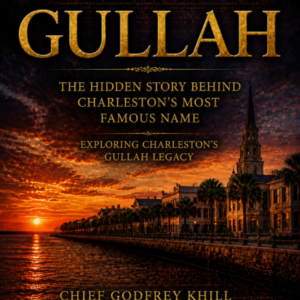
- GULLAH: The Hidden Story Behind Charleston’s Most Famous Name
- DARK TOURISM: Charleston is the Holy City of Gullah
- Gullah Geechie: The Blood Root to Charleston’s Slave Trade & Redemption
- Gullah Geechee Unchained
- Charleston Is the Real Jerusalem: The Redemption of Gullah Geechee
- THE LIVING MAP™: The Official Treasure Hunt Guide Book of the Holy City
- GULLAH GEECHEE TINGS: My Grandmother Used to Say
- THE GULLAH PEACOCK & THE GEECHI SQUIRREL: The Gullah Geechee Chronicles
- WHERE IS GULLAH GULLAH ISLAND: The X Mark$ the $pot
- FAMILY IS ALL YAH GOT: Gullah Geechee Sayings From the Kitchen of Emily Meggett
- A Lowcountry Root-Magic Horror
- Charleston’s Slave Trade & Redemption
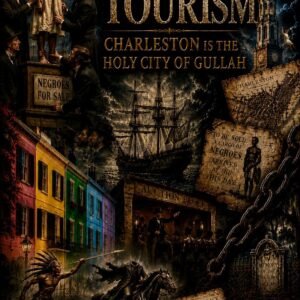
These books cover Charleston’s name, tourism, slavery, family, folklore, language, identity, faith, and cultural memory. They are part of the Culture Shop’s educational resources, which also include DVDs and Gullah language materials.
Follow the Full Cultural Network
The Gullah.Tours Truth Fortress campaign connects visitors with a broader educational network:
- CHIEF GODFREY KHILL’s author and research platform
- Gullah Geechee Church of Charleston
- Gullah Geechee Tours
- Gullah Gullah Tours
- HECharleston, focused on Charleston travel, historic sites, top attractions, and the best things to do in the city
Together, these platforms connect tours, books, speaking events, cultural preservation, and travel education.
What the Historical Record Does: and Does Not: Confirm
Charleston’s central role in slavery and the slave trade is well documented. The survival and influence of Gullah Geechee culture in the Lowcountry is also documented through community history, language, foodways, spiritual traditions, material culture, and family memory.
Other claims require careful verification.
For example, the assertion that the South Atlantic was originally called the “Ethiopian Ocean,” or that Ethiopia’s roots are located in North America, was not confirmed by the sources reviewed for this article. Those claims should therefore be treated as unconfirmed rather than stated as settled historical fact.
Truth requires both courage and discipline. It means confronting painful records while also acknowledging what remains unknown.
Plan Your Charleston History Experience
If you are building an itinerary around Things to Do in Charleston, begin with a tour that gives the city historical context. Follow it with a museum visit, a book from the catalog, or a speaking event.
Step into the streets. Feel the weight of the built environment. Hear the stories of Gullah Geechee families. Discover the difference between a beautiful destination and a deeply understood place.
For reservations, visit Gullah.Tours. For questions, use the Gullah Geechee Tours contact page or call (843) 478-0000.
The city is still here. The questions are still here. The responsibility to learn is yours.
About the Author
CHIEF GODFREY KHILL is presented across the company’s platforms as an author, historian, storyteller, cultural preservationist, tour guide, educator, speaker, and researcher focused on Charleston, the South Carolina Lowcountry, and Gullah Geechee culture. His public work addresses Charleston history, Gullah culture, books and publishing, historical research, public speaking, education, media interviews, cultural preservation, and Charleston tourism.