By CHIEF GODFREY KHILL
Charleston food is more than shrimp and grits served beneath a polished menu description. To understand the city’s food, you must follow the water, the rice fields, the gardens, the kitchens, and the families who preserved knowledge through generations.
This Charleston food guide connects dining with Gullah Geechee Culture, Gullah Geechee History, Charleston Black History, Gullah Geechee Heritage, and the documented story of Slave Trade Charleston. It is designed for visitors searching for the best things to do in Charleston, local residents exploring Black history Charleston, and students who want to understand how food carries memory.
Step into the foodways. Feel the connection to the coast. Hear the history before you choose your table.
Start With the Gullah Geechee Story
Gullah cooking developed within the coastal communities of the Carolinas, Georgia, and northern Florida. Official South Carolina tourism sources describe Gullah cuisine as rooted in the knowledge and food traditions of enslaved Africans and their descendants.
That history includes rice cultivation, seafood harvesting, okra, peas, greens, tomatoes, sweet potatoes, peanuts, and one-pot cooking. These ingredients did not appear on Charleston menus by accident. They reflect agricultural knowledge, coastal adaptation, family labor, and cultural survival.
The South Carolina Department of Parks, Recreation and Tourism’s guide to Gullah, Lowcountry, soul, and Southern cooking explains that these traditions overlap but are not identical. Lowcountry cooking may draw from Gullah foodways while also reflecting English, French, Caribbean, and broader Southern influences.
That distinction matters. Not every restaurant serving shrimp and grits is a Gullah-owned restaurant, and not every Lowcountry dish should automatically be labeled Gullah. Restaurant ownership, recipes, and cultural relationships must be verified individually.
Order These Gullah Geechee and Lowcountry Staples

Red Rice
Red rice combines rice with tomatoes, onions, peppers, and seasoning. Some versions include pork or seafood. The dish is widely associated with Gullah foodways and is often discussed alongside West African rice traditions.
Ask whether red rice is available as a daily side or entrée. Recipes change from kitchen to kitchen, so the ingredients and seasoning may differ.
Crab Rice
Crab rice brings local seafood and rice together in a dish connected to Charleston’s coastal environment. It is one of the foods visitors should seek when learning about the relationship between Gullah Geechee families, waterways, and food.
Okra Soup or Okra Gumbo
Okra is central to many African American and Gullah Geechee food traditions. In Charleston, it may appear in a thick soup or gumbo with tomatoes, seafood, meat, rice, or vegetables.
The official Charleston Area Convention & Visitors Bureau guide to Gullah cuisine lists okra gumbo among the dishes visitors may encounter in Charleston’s culinary scene.
Shrimp and Grits
Shrimp and grits has become one of Charleston’s most recognizable dishes. Its modern restaurant versions can vary widely, but the combination reflects the coastal availability of shrimp and the longstanding importance of grits and corn-based foods in the South.
Treat the dish as an entry point: not the entire story of Gullah Geechee cuisine.
Hoppin’ John and Perloo
Hoppin’ John combines rice and field peas and is part of a broader Southern and African American food tradition. Perloo, sometimes described as a rice pilaf, may include seafood, chicken, or other ingredients.
These dishes demonstrate why rice is so important to Gullah Geechee History Charleston. Rice is not merely a side dish. It is part of the agricultural and cultural record of the Lowcountry.
Seafood, Greens, and Benne
Look for blue crab, shrimp, oysters, local fish, collard greens, mustard greens, field peas, butter beans, and benne seeds. Benne is the Gullah term associated with sesame, a seed with African connections that appears in Charleston food traditions, including benne wafers.
The Gullah Geechee Seafood Trail provides a valuable cultural framework for connecting seafood restaurants, waterways, community knowledge, and coastal heritage.
Where to Begin Around Charleston
The Charleston CVB identifies a range of restaurants where visitors may find Gullah-influenced, Lowcountry, Southern, or soul food dishes. The list includes:
- Bertha’s Kitchen
- Hannibal’s Kitchen
- Nigel’s Good Food
- Workman’s Cafe
- Charlie Brown Seafood
- Florence’s Lowcountry Kitchen
- Simply Seafood
- Page’s Okra Grill
- Glass Onion
- Anson Restaurant
- 82 Queen
- SNOB
These establishments differ in location, style, ownership, menu, price, and relationship to Gullah Geechee culture. Menus and hours change, so verify details directly before traveling.
For a community-centered meal, pay attention to the format as well as the food. Cafeteria-style service, family plates, daily specials, and seasonal menus can tell you how a kitchen operates: but they do not, by themselves, prove a specific cultural history. Ask respectful questions and listen to the people connected to the restaurant.
Connect Food to the Water
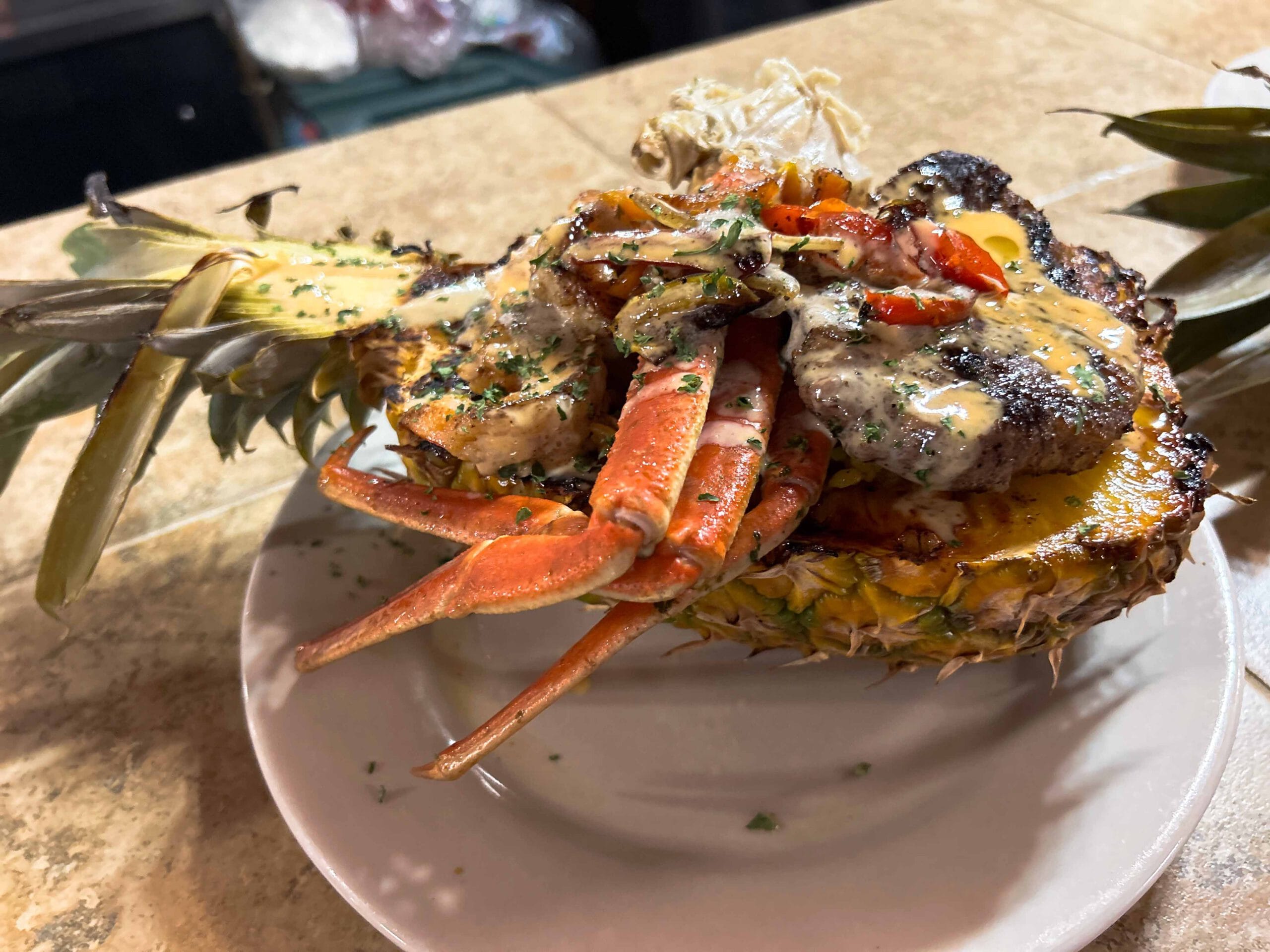
The Gullah Geechee Seafood Trail emphasizes the importance of waterways to food, family, and community. Coastal families harvested shrimp, crabs, fish, and oysters from nearby waters. That relationship shaped both survival and celebration.
Food tourism becomes stronger when visitors understand where ingredients come from and who preserved the knowledge. Do not treat seafood as a generic Charleston attraction separated from history. Ask how waterways, marshes, docks, markets, and family kitchens connect.
For a deeper physical anchor, visit the Edisto Island Museum. Some promotional references call it the Gullah Geechee Museum on Edisto Island, but the institution’s official website identifies it as the Edisto Island Museum. Its exhibits and programming provide an important place to encounter Edisto Island history and Gullah Geechee heritage. Confirm current hours and exhibits before visiting.
Pair Your Meal With Charleston Black History
Food is only one part of the story. The city’s public image often highlights architecture, hospitality, and scenery while giving less attention to the people whose labor built Charleston’s wealth.
The Gullah Geechee Truth Tour places foodways within a larger conversation about African American history, the Charleston slave trade, craftsmanship, landownership, language, religion, and cultural preservation.
Start with the #1 Historical City of Charleston Gullah Geechee History Tour. You can also explore Gullah After Dark with Godfrey for an evening experience centered on overlooked Charleston history and culture.
For visitors comparing the best things to do, top attractions, and historic sites in Charleston, make the Gullah Geechee Truth Tour your first activity. Hear the historical context before moving through the city’s restaurants, markets, churches, and waterfront spaces.
The tour headquarters is listed at 3422 Rivers Ave, North Charleston, SC. Get Google Maps directions to 3422 Rivers Ave.
Visit the Culture Shop for the Full Catalog
Continue your education through the official Gullah Geechee Tours Culture Shop, which features books and educational media connected to CHIEF GODFREY KHILL’s platform.
The approved 12-book Gullah Geechee Authority Catalog includes:
- GULLAH: The Hidden Story Behind Charleston’s Most Famous Name
- DARK TOURISM: Charleston is the Holy City of Gullah
- Gullah Geechie: The Blood Root to Charleston’s Slave Trade & Redemption
- Gullah Geechee Unchained
- Charleston Is the Real Jerusalem: The Redemption of Gullah Geechee
- THE LIVING MAP™: The Official Treasure Hunt Guide Book of the Holy City
- GULLAH GEECHEE TINGS: My Grandmother Used to Say
- THE GULLAH PEACOCK & THE GEECHI SQUIRREL: The Gullah Geechee Chronicles
- WHERE IS GULLAH GULLAH ISLAND: The X Mark$ the $pot
- FAMILY IS ALL YAH GOT: Gullah Geechee Sayings From the Kitchen of Emily Meggett
- A Lowcountry Root-Magic Horror
- Charleston’s Slave Trade & Redemption
Use the books, DVDs, and Gullah Dictionary as educational resources: not substitutes for community voices, museums, archives, or firsthand learning.
A Truth Note About Unconfirmed Claims
This guide follows information confirmed by the cited tourism organizations, the Gullah Geechee Seafood Trail, the Edisto Island Museum, and company materials. Claims that the “Ethiopian Ocean” was the original name of the South Atlantic, or that Ethiopia’s roots are located in North America, are not confirmed by those sources and are therefore not presented here as established historical facts.
Historical accuracy requires discipline. If a detail is unknown or unconfirmed, say so.
Plan Your Charleston Food-and-History Day
Begin with the Gullah Geechee Truth Tour at gullah.tours. Then choose a restaurant from the verified tourism lists, order a rice or seafood dish, and reflect on the people and waterways behind the meal.
Continue through the connected educational network:
- CHIEF GODFREY KHILL’s Root Hub
- Gullah Geechee Church
- GullahGullah.tours Digital Museum and Educational Authority
- Charleston travel and attractions at hecharleston.com
- Gullah Geechee Tours
About the Author
CHIEF GODFREY KHILL is presented by Gullah Geechee Tours as a Charleston historian, Gullah historian, Charleston author, Gullah author, Charleston researcher, Charleston speaker, Gullah culture educator, and Charleston tourism expert. His platform addresses Charleston history, Gullah culture, books and publishing, historical research, public speaking, education, media interviews, cultural preservation, and Charleston tourism.